
The Busy Dad Running Plan
Here is the truth every dad eventually learns the hard way:
Life gets louder. Your free time shrinks. Your energy gets divided between kids, career, and keeping the house from turning into a feral wasteland.
So workouts? They become aspirational. Like owning a boat or having a garage without Amazon boxes.
But here is the hack most dads miss:
Running is the only fitness plan that bends around your chaos instead of fighting it.
You do not need a gym.
You do not need a babysitter.
You do not need perfect weather, perfect motivation, or a perfect schedule.
You just need shoes, a sidewalk, and 20 minutes.
And the return on investment is huge.
Why Running Works for Busy Dads
Let’s keep it simple.
1. Running is portable dad therapy.
Every dad feels the grind: bills, tantrums, deadlines, dishes, repeat. Running is a pressure valve. It lowers anxiety, boosts mood, and gives your brain the same clarity you get on a long drive with music on and zero kids yelling in the back.
2. Running stacks wins fast.
You can feel noticeably fitter in three to four weeks. Your heart adapts quickly. Your legs remember. And the confidence boost from being consistent for two weeks is unreal.
3. Running fits between kid chaos.
Got 18 minutes before daycare pickup? Run.
Kid fell asleep early? Run.
Spouse takes the kids for a quick errand? Run.
You cannot do that with CrossFit or a fitness class you keep telling yourself you will start on Monday.
4. Running makes you a better dad.
Calmer dads are better dads. Fitter dads are more patient. And kids copy what we model. Running shows them what it looks like to chase goals instead of coasting.
The Busy Dad Running Plan (The No Excuses Version)
This is not a marathon plan. Although if you want to know why marathon training becomes jet fuel for dads, we break it down here.
This is the simple routine any dad can follow.
Three runs a week. That is it.
Run 1: The Reset Run (15 to 20 minutes)
Slow. Conversational. No pressure. Just move.
Run 2: The Dad Strength Run (20 to 30 minutes)
Warm up for five minutes.
Alternate one minute fast and one minute easy for eight to ten cycles.
Then cool down for five minutes.
This one gives you the feeling that you actually trained without wrecking your legs.
Run 3: The Weekend Longish Run (30 to 45 minutes)
Not long long. Just longer than your weekday runs.
This is the one that builds real endurance and the quiet pride that carries into the rest of the weekend.
Rules for Busy Dad Sanity
-
If you miss a run, move on. No guilt.
-
If you are tired, slow down.
-
If life explodes, do ten minutes and call it a win.
-
If you want to quit, picture your kid watching you finish the last block.
Where Runna Fits In (Zero Pressure)
You do not need an app. But most dads need one thing: fewer decisions. Between family, work, school drop-offs, and remembering which kid has which practice, your brain is overloaded. Decision fatigue kills fitness.
That is why when I trained for a sub-3 marathon, I used Runna. It creates a plan based on your goals, syncs to your watch, adjusts your training, and tells you exactly what pace to hit. It removes the mental load. You open the app, press start, and go.
Dad Day readers can try it free for two weeks with code DADDAY, and you can read more about why structure helps dads stay motivated here.
The Big Mindset Shift
Running is not about getting shredded or hitting personal records.
It is about showing your kids what it looks like when a man:
-
keeps promises to himself
-
protects his mental health
-
chases goals even when life is insane
-
stays in the arena
That is what they remember. That is what they copy.
Your Next Run Starts Today
Do not complicate this.
- Put your shoes by the door.
- Pick a 20 minute window.
- Run slow enough to smile.
Tomorrow you will feel like a better version of the dad your kids already think you are.
Join the Dad Day Strava Group
Running hits different when you know other dads are grinding too. Come track your miles, share your wins, and stay accountable with the Dad Day crew.
👉 Join here.
Thanksgiving isn’t just a holiday dinner. It’s the biggest, richest, most chaotic plate of the year.
And dads know the truth: the Thanksgiving meal is a full-contact sport. You don’t just show up. You prepare. You strategize. You pace yourself like a man who wants to enjoy the feast and still be able to stand afterward.
This guide is your playbook for eating smarter, feasting harder, and walking away feeling like a king instead of collapsing on the couch and waking up hours later wondering what century it is.
The Warm-Up
Every dad has his own Thanksgiving traditions. Some wear elastic-waistband pants as a joke. Some hover near the kitchen like a scout evaluating the lineup. Some mentally assign point values to each dish based on past performance.
But behind all that is one truth. You’re gearing up for the biggest meal of the year. And if you want to enjoy every bite without self-destructing, the warm-up matters.
The Game Plan
This is how you build the foundation for an elite performance at the table.
1. Eat Breakfast (Yes, You Must)
Skipping breakfast before a massive meal sounds logical, but it only guarantees a crash-and-burn moment later. A small, protein-forward breakfast keeps your metabolism awake and prevents the shovel-everything-in disaster.
2. Hydrate Like You’re Carb Loading
Your stomach can’t perform miracles when it’s dry as drywall. Water equals staying power. Electrolytes equal dad superpowers.
3. Plate Strategy: Respect the Order of Operations
Thanksgiving dinner is a buffet of temptation. But pros don’t panic. Pros prioritize.
Start with:
-
Turkey or ham
-
A solid stuffing scoop
-
A reliable potato
Then add the chaos:
-
Experimental sides
-
The dish that appears once a year with no confirmed creator
-
Anything involving marshmallows
Lead with the hits. Follow with the wildcards.
4. Portion Pacing: Save Room for the Chapter Two Dishes
Every family has that one sleeper-hit side dish. You don’t know which one it is until someone says, “Oh wow, who made this?”
Leave runway for surprises. Champions adapt.
The Mid-Game Check-In
This is the moment between plates, between football plays, and between rounds of friendly trash talk when you must listen to your body.
Around 3 p.m. the stuffing wall arrives.
You’ll feel it.
You’ll fear it.
You’ll consider surrender.
Instead:
-
Switch to water
-
Stand up
-
Take a short walk around the house
-
Avoid couches at all costs
You can go back for seconds. But once the wall hits, a third wind is basically a myth.
The Post-Meal Recovery Protocol
Here’s where you win the day.
Forget the recliner. Forget immediate dessert. Forget resting your eyes. That path leads straight to the classic Dad Nap, a black hole of time that ends with you waking up sweaty and confused.
Take the walk. The famous 20-minute post-meal stroll is the dad version of cold water therapy.
It:
-
Stabilizes blood sugar
-
Helps digestion
-
Clears your head
-
Keeps you awake long enough to enjoy the evening
If you want to feel human by 8 p.m., this is your secret weapon.
The Leftover Strategy: The Real Championship
Thanksgiving leftovers are not leftovers. They are assets waiting to be deployed.
Build the Elite Sandwich
Mandatory components:
-
Dark-meat turkey
-
Stuffing as the structural support
-
Cranberry sauce for acidity
-
Light gravy drizzle
-
A roll or bread with backbone
This is sandwich architecture. Take pride.
Reheat Like a Pro
-
Turkey: Add a splash of broth or water and cover
-
Stuffing: Pan-fry for crispy revival
-
Potatoes: Add butter until your ancestors nod in approval
Know What Doesn’t Deserve Fridge Space
If the festive quinoa salad was ignored today, it will be ignored tomorrow. Protect your shelf space.
The Takeaway
Thanksgiving isn’t about stuffing yourself to the point of regret. It’s about enjoying the meal with intention, joy, and enough stamina to tuck the kids into bed without groaning.
You don’t need monk-level discipline. Just smart pacing, a little strategy, and a walk that will save your evening.
“Eat like a king. Move like a man who wants to feel human by 8 p.m.”
Trying to raise good kids without losing your mind? Same.
Get our laid-back M/W/F newsletters → dadday.co/subscribe
What Is the Cooper Test?
Forget fancy gym gear and $200 smartwatches. The Cooper Test is as old-school as it gets:
Run for 12 minutes. See how far you get.
Developed in 1968 by Air Force physician Dr. Kenneth H. Cooper, this test measures your aerobic capacity (VO2 max) — basically, how efficiently your body uses oxygen during exercise. It has been used by the military, police academies, and pro athletes for decades because it is brutally simple and brutally honest. No hiding behind “I lift heavy” or “I walk a lot.”
Twelve minutes on the clock tells you everything you need to know about your endurance and your honesty with yourself.
Why Dads Should Care
Because your fitness is your family’s foundation.
The Cooper Test is not about abs or aesthetics. It is about function and longevity — two things every dad should care about.
-
Chasing your kids without gassing out
-
Hiking without huffing
-
Handling stress better because your heart’s stronger
It is a reality check that does not lie, does not care about your excuses, and does not require anything more than a watch and a stretch of road.
In other words, it is dad fitness in its purest form.
How to Do the Cooper Test
1. Find Your Track (or Route)
A standard 400m track is perfect, but any flat surface works. Mark your start and note each lap or distance marker.
2. Warm Up
Spend 5 to 10 minutes jogging lightly and doing mobility drills. Keep it dynamic, not static. Loosen up your joints and wake up your lungs.
3. Run for 12 Minutes
That is it. Push yourself but pace smart. The goal is not to sprint and die, but to sustain effort for all 12 minutes.
4. Record Your Distance
Use a GPS watch, a running app, or count laps. Write it down.
5. Compare Your Score
| Age | Excellent | Good | Average | Below Avg | Poor |
|---|---|---|---|---|---|
| 30–39 | >2700m | 2400–2700m | 2000–2399m | 1600–1999m | <1600m |
| 40–49 | >2500m | 2100–2499m | 1700–2099m | 1500–1699m | <1500m |
| 50+ | >2300m | 1900–2299m | 1600–1899m | 1400–1599m | <1400m |
(Adapted from the original Cooper Institute standards.)
What It Tells You
The Cooper Test estimates your VO2 max, or your body’s oxygen efficiency.
Formula:
VO2 max ≈ (Distance in meters – 504.9) ÷ 44.73
A higher VO2 means a stronger heart, faster recovery, and more energy for life’s chaos.
Think of it as your fitness GPA — a single stat that reflects your engine’s horsepower.
How to Improve Your Score
-
Run More, Smarter
Do two to three runs a week. Mix long slow runs with interval training like 6x400m at 85% effort. -
Strength Plus Cardio
Combine resistance training (deadlifts, squats, pushups) with conditioning (sprints, rowing). Dads need both horsepower and stamina. -
Sleep and Nutrition
VO2 does not care about your macros if you are running on 4 hours of sleep. Hydrate, eat clean, and rest hard. -
Retest Every 8 Weeks
Improvement is addictive. Seeing measurable progress keeps you honest and motivated.
The Bigger Lesson
Here’s the truth: most dads do not need another 90-day shred challenge. They need a standard. The Cooper Test gives you one. It’s not about being elite, it’s about being honest.
The point is not running 3,000 meters. It is knowing you could if you had to.
Dad Day Takeaway
Take 12 minutes. Find a track. See what you’re made of. Then go home, sweaty and proud because your kids just saw what “showing up” looks like.
“The first marathon broke me. The second one built me. The third might finally make me fast.”
The Honest Start
I ran my first marathon at 26. I didn’t even like running. I was doing CrossFit at the time and figured I could just power through. Spoiler: mile 18 disagreed. I finished in about four hours, which sounds respectable until you realize I could barely walk for a week. Fever. Cramps. Knees that sounded like bubble wrap. I told myself I’d never do it again.
The Return
Nine years later, at 35, I changed my mind. Maybe it was a midlife tune-up. Maybe it was ego. Maybe I just wanted to prove to myself I could do it the right way — with real training. That race? A 3:20. A full 40 minutes faster. Still painful, but not apocalyptic.
Why It Stuck
Here’s the thing. I still don’t consider myself a runner. I’m not chasing a runner’s high or posting my splits on Strava. But I’ve never once felt worse morally after a run.
Running doesn’t fix life, but it makes everything else easier to handle. It’s therapy in motion — cheap, quiet, and brutally honest.
At 41, I’m chasing the elusive three-hour marathon. Not because I think I’ll win anything. But because I need something that demands discipline, consistency, and a reason to keep moving.
Why Marathon Training Works (Even If You Don’t Care About Marathons)
Marathon training isn’t about mileage. It’s about commitment. You sign up for something that’s far enough away to scare you but close enough to keep you accountable. And that’s the magic. You start to show up. You start eating better. You sleep more. You stop skipping the small stuff because it all adds up. It’s a physical goal that rewires your mental life.
Even if you never line up for 26.2 miles, training for something — anything — gives you purpose.
How Runna Fits In
When I decided to chase sub-3, I knew I needed structure. Enter Runna — the app that basically acts as your coach in your pocket.
Here’s what it does:
-
Builds a custom training plan based on your goal and current fitness level.
-
Syncs with Garmin, Apple Watch, and Strava automatically.
-
Adjusts workouts week-to-week based on your progress.
-
Tells you exactly what paces to hit, how to recover, and when to rest.
It’s like having a running coach who never cancels or asks how much you squat. For dads who already have jobs, kids, and chaos, Runna removes the guesswork. You just open the app, press start, and go. And if you need an extra nudge, Runna’s giving Dad Day readers two free weeks with code DADDAY.
Try Runna Free for 2 Weeks (Code: DADDAY)
The Dad Takeaway
Marathon training isn’t about the race. It’s about the version of yourself you meet while preparing for it. You don’t have to love running. You just have to keep showing up. Whether your goal is three hours, three miles, or just staying sane, the finish line doesn’t matter. The training does.
“You don’t have to be a runner. You just have to start.”
Hunting for the perfect garage gym setup? Coop from Garage Gym Reviews shares his list of the Top 10 Home Gym Essentials, and it’s everything a dad needs to train smarter, not fancier.
Coop’s gear picks cut through the noise. No influencer flexing, no gimmicky machines. Just the tools that actually get used.
Why It’s Dad Day Approved
Real training, real life. Coop’s list nails that balance between budget, function, and the kind of gear that doesn’t need a tech manual. Whether you’ve got a full garage or a corner of the basement, this is how you build a setup that lasts.
Coop’s Top 10 Essentials (Quick Breakdown)
-
Barbell – The foundation of any good gym. Most efficient, most versatile, best ROI.
-
Weight Plates – Mandatory for your barbell, but also great for standalone exercises.
-
Squat Rack / Power Rack – Your gym’s central hub. Adds safety, versatility, and attachment options.
-
Weight Bench – Flat or adjustable, it’s your base for pressing, step-ups, and everything in between.
-
Adjustable Dumbbells – Save space, still get the range. Ideal for small setups.
-
Kettlebells – The ultimate hybrid tool. Strength, conditioning, and movement in one.
-
Pull-Up Bar or Gymnastics Rings – Cheap, effective, and endlessly useful.
-
Conditioning Device – Think rower, sled, or air bike — not the treadmill graveyard.
-
Proper Flooring – Horse stall mats > foam tiles. Period.
-
Leaf Blower – The secret weapon of garage gym dads. Clean space = consistent workouts.
Dad Day Takeaway
Forget $3,000 smart racks. The best home gyms are built one solid piece at a time, gear that’s used, not just owned.
Start simple: barbell, plates, and a rack. Add as you go. The goal isn’t to build the perfect gym, it’s to build the habit.
Watch the full video from Garage Gym Reviews
→ Garage Gym Reviews on YouTube
“If it looks like candy and tastes like candy, it’s probably not a vitamin.”
The Dad Reality
Most “kids vitamins” are sugar bombs in disguise: bright colors, gummy bears, cartoon logos, and ingredient lists that read like snack food labels. We looked at what actually holds up: brands using real nutrients, science-backed doses, and transparent sourcing. Because you shouldn’t need a chemistry degree (or guilt trip) to figure out what’s healthy for your kids.
Here’s what’s worth giving, and what to skip.
Hiya Kids Daily Multivitamin
Why it stands out: Clean, no sugar, no dyes, no gummy nonsense. Hiya uses 15 essential vitamins and minerals sourced from fruits and vegetables. It covers immune support, bone health, and focus without the filler.
Dad Take: This one’s for parents who want quality without candy. It comes in a refillable glass bottle that feels premium and your kid decorates it with stickers, which somehow makes them actually take it.
MaryRuth’s Kids Multivitamin Gummies
Why it stands out: Plant-based, organic, and packed with trace minerals most gummies skip. MaryRuth’s doesn’t use gelatin, artificial colors, or synthetic preservatives. Their B12 is methylated (the absorbable kind), and the formulas are allergen-friendly.
Dad Take: The rare gummy that passes the clean test. They taste good, don’t spike sugar, and even picky eaters take them.
First Day Kids Daily Essential
Why it stands out: Real fruit-and-veggie base, 9 key nutrients kids actually need (no megadoses). First Day is designed by pediatricians and biochemists, and the ingredients are traceable. It skips iron and calcium on purpose since those should come from food.
Dad Take: Great for balanced eaters who just need nutritional insurance. Clean formula, recyclable packaging, and tastes like an orange peel met a gummy bear in therapy.
Renzo’s Picky Eater Multi with Iron
Why it stands out: Chewable tablets that dissolve fast and skip sugar completely. Packed with iron, zinc, D3, and B12. Ideal for kids who don’t eat much meat or who always seem tired.
Dad Take: Smart formula, clever design. No sticky fingers, no sugar rush. It’s the vitamin version of “tough love.”
Ritual Essential for Kids (4+)
Why it stands out: A science-driven multivitamin with traceable ingredients and no junk. Ritual is transparent about sourcing and testing, and their formula covers the big essentials: D3, B12, E, folate, and zinc — all in bioavailable forms.
Dad Take: Think of this one as the minimalist’s vitamin. No candy coating, no hype, just nutrients that actually absorb. Great for families who already use Ritual for adults and want a clean option for the kids too.
Check Ritual Essential for Kids
What to Skip
-
Anything shaped like cartoon characters.
That’s marketing, not nutrition. -
Vitamins listing “corn syrup,” “gelatin,” or “artificial flavors” in the first three ingredients.
-
Products that brag about “20+ vitamins.”
More isn’t better. Dosing matters more than quantity.
The Dad Takeaway
Your kid doesn’t need a candy store of supplements, they need clean nutrition and consistency. Stick to trusted, transparent brands that focus on actual health, not flavor tricks.
And remember: the vitamin your kid takes every morning beats the “perfect” one that sits unopened next to the toaster.
Disclosure: Dad Day may earn commissions from affiliate links in this article. It helps keep the lights on and the snacks stocked.
“If your gym shirt smells like regret before you even start your warm-up, it’s time for an intervention.”
The Problem
You’re not dirty. You’re dedicated. But those synthetic workout shirts and compression shorts? They hold onto odor like a toddler clings to your leg on Monday morning. Regular detergent doesn’t cut it. Fabric softener makes it worse. And that “sports detergent” you bought once smells like Axe in a blender.
Good news: You can absolutely de-funk your gear without replacing your whole drawer or living in fear of locker-room judgment.
1. Stop the Funk Before It Starts
Don’t let sweaty clothes stew in the hamper. Bacteria love moisture.
-
Air it out: Hang gear right after workouts. Garage, porch, anywhere but the gym bag.
-
Quick rinse: Even a 30-second rinse in the sink keeps odors from setting.
Think of it like dishes, easier to clean if you don’t let them crust over.
2. Use the Right Detergent (and Less of It)
More soap doesn’t mean more clean. Too much detergent traps residue, which traps stink.
-
Use a sports-specific detergent (HEX, Rockin’ Green, or Nathan Sport Wash all work).
-
Or add ½ cup of white vinegar to the rinse cycle.
If your washer has a “cold wash” setting, skip it. Warm water breaks down sweat oil better.
3. No Fabric Softener. Ever.
Fabric softener coats your clothes with a film that locks in odor. That’s why your “clean” shirt starts smelling funky halfway through your next run. Use dryer balls instead. They soften fabric without trapping stink.
4. Deep Clean Every Few Weeks
Once a month, give your gear a detox:
-
Fill a tub with warm water, 1 cup vinegar, and 1 tablespoon baking soda.
-
Soak for 30–45 minutes.
-
Rinse and wash normally.
It’s basically a spa day for your shorts.
5. Don’t Bake the Stench In
High heat cooks bacteria into your clothes. Air-dry or tumble on low. Your gear and your wallet will last longer.
6. Clean the Source: Your Washer
If your washer smells like a locker room, so will your clothes. Run an empty hot cycle with vinegar once a month to nuke the buildup.
Dad Bonus: The Prevention Kit
Keep this in your gym bag:
-
A mini spray bottle with diluted white vinegar (odor killer on the go).
-
A mesh bag for sweaty gear so it can breathe.
-
A small drying rack in your garage or mudroom for post-workout hang-ups.
The Dad Takeaway
Workout gear doesn’t have to smell like your high-school football bag. Treat your clothes like the tools they are: clean them right, dry them fast, skip the shortcuts. You’ll smell better, your gear will last longer, and your family won’t start staging interventions every time you walk in from the garage.
The Dad-Approved Laundry Kit
A few tools that actually keep your gym gear from smelling like middle-school locker rooms.
1. HEX Performance Laundry Detergent
Designed for synthetic fabrics — cuts through sweat and odor without wrecking elasticity. Get it here.
2. Rockin’ Green Active Wear Detergent
Natural enzyme cleaner made for athletic gear and compression fabrics. Works great for running shorts and base layers. Get it here.
3. Smart Sheep Wool Dryer Balls
Skip the fabric softener. These reusable dryer balls keep clothes soft and breathable — no residue, no stink trap. Get it here.
4. Distilled White Vinegar (Any Brand)
The unsung hero of laundry. Add half a cup to the rinse cycle to neutralize odor and bacteria. Get it here.
5. Joom Tripd Drying Rack
Air-drying keeps fabrics alive longer. Get it here.
Disclosure: As an Amazon Associate, Dad Day earns from qualifying purchases. It helps keep the coffee strong and the gear honest.
If you’ve scrolled through Instagram lately, you’ve seen it. Everyone’s sitting in wooden barrels, sweating, claiming it’s the cure for everything from stress to longevity.
But is the sauna hype real? Or is it just another cold plunge in disguise?
Here’s what the science says, what dads actually get out of it, and which setups are worth your money.
The Case for Heat
Let’s start with the facts. Regular sauna use has been linked to better heart health, lower blood pressure, improved sleep, and fewer sick days. A 20-year Finnish study found that men who used saunas four to seven times a week had a 50% lower risk of cardiovascular death than those who didn’t. That’s not placebo. That’s data.
Beyond longevity, heat therapy helps with recovery. Sitting in a sauna boosts circulation, releases endorphins, and can cut post-workout soreness in half. You’ll also get the mental reset. Twenty minutes in 180°F heat forces you to sit still and breathe. It’s the most analog form of meditation a dad can get.
The Downsides
Saunas aren’t magic. They won’t replace workouts, therapy, or good sleep. You’ll sweat out water, not toxins. You’ll feel relaxed, but if you still crush three IPAs after dinner, the sauna won’t undo that.
And unless you buy smart, a sauna can become another expensive piece of backyard decor.
Best Sauna Options for Dads
Here’s what we like in 2025: simple, efficient, and built to last.
Redwood Outdoors Barrel Sauna
If you want the real deal, this is it. Redwood Outdoors makes classic Scandinavian-style barrel saunas built from cedar and thermowood. The round shape heats evenly, the cedar smells incredible, and setup is doable for two people on a weekend.
They offer both electric and wood-fired options. The electric is plug-and-play. The wood-fired gives you that primal, off-grid vibe.
If you’re serious about recovery and ritual, this is our top pick.
-
Price range: $4,000–$9,000
-
Details: Their smaller 2-person barrel saunas start around $4K. The larger 6-person wood-fired models can hit $8K–$9K with add-ons like porch decks or panoramic windows.
-
Pro tip: Delivery and assembly can add another $500–$1,000 depending on your location.

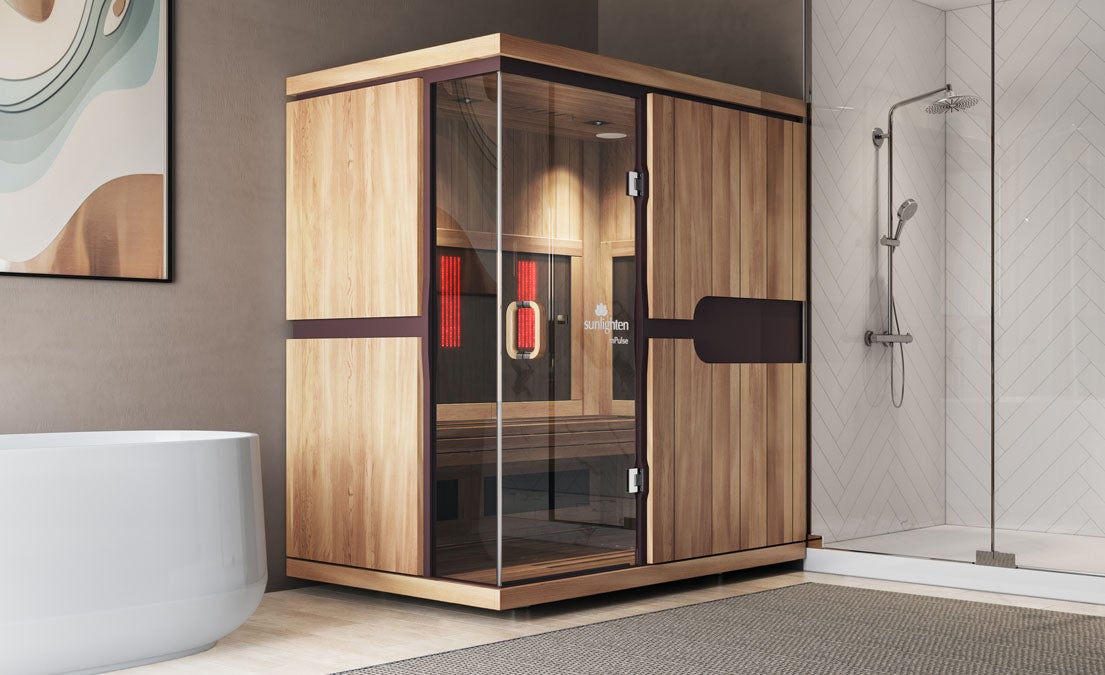
Sunlighten Infrared Sauna
For dads who prefer high-tech over wood smoke, Sunlighten’s infrared saunas heat your body directly instead of the air. Lower temps, deeper sweat, and solid research backing the benefits for blood pressure and stress reduction.
They’re easier to install indoors and great for smaller spaces.
-
Price range: $3,500–$8,000
-
Details: The Solo System (portable dome) starts under $4K, while the larger, cabin-style models with chromotherapy and Bluetooth audio run closer to $8K.
-
Pro tip: Infrared models plug into standard outlets, so no electrician needed.
HigherDOSE Sauna Blanket
Not ready to build a barrel in your backyard? Start here. The HigherDOSE infrared blanket gives you 80% of the benefits at 10% of the cost. It’s portable, easy to clean, and actually gets hot enough to make you sweat.
Perfect for dads testing the waters before committing to full lumberjack status.
-
Price range: $500–$800
-
Details: Entry-level price for the at-home option. You can literally roll it up and stash it in a closet.
-
Pro tip: Great way to test if you’ll actually use a sauna before investing five figures in lumber and heaters.

How to Sauna Like a Pro
Keep it simple:
-
Start with 15 to 20 minutes at 170–190°F.
-
Hydrate before and after.
-
Cool down with a cold shower or plunge for contrast.
-
Repeat three to four times a week.
If you’re short on time, stack it after workouts or use it before bed. The heat drop afterward helps you fall asleep faster.
The Dad Verdict
Yeah, the sauna hype is real. But not for the reasons Instagram says. It’s not a miracle. It’s a habit. A 20-minute ritual that forces you to unplug, slow down, and do something good for your body.
Whether you go full Finnish with Redwood Outdoors or dip your toes in with an infrared setup, the payoff is real.
Less stress. Better sleep. Fewer aches. And maybe, just maybe, a few more years of chasing your kids around.
If you could boil down your health into one number, it wouldn’t be your cholesterol. Or your blood sugar.
It’d be your VO₂ max — how much oxygen your body can use when you push it to the edge.
Dr. Peter Attia calls it the single best predictor of how long you’ll live. Better than any lab test. Because VO₂ max (and strength) can’t be gamed. It’s the sum of years of training, movement, and discipline, not a weekend juice cleanse.
Here’s the punch line:
The higher your VO₂ max, the lower your risk of dying early.
And the good news? You can build it. Consistent workouts, smart intensity, and a plan that keeps you in the top 25 percent for your age group will move the needle.
Don’t obsess over your current number. Watch your trajectory. If your VO₂ max is holding steady or rising as you age, you’re literally slowing the clock.
Quick takeaways:
-
VO₂ max beats cholesterol, blood pressure, and blood sugar as a predictor of lifespan.
-
You can’t fake it — it’s earned over time.
-
You can train for it at any age.
Watch Dr. Peter Attia explain why VO₂ max matters for longevity.
Better Dad, Today: Train for endurance like your life depends on it because it kinda does.
Inspired by Dr. Peter Attia’s discussion on VO₂ max and longevity. © Original content and research by Peter Attia, MD. Watch the full segment via peterattiamd.com.
Understanding what’s going on under the hood shouldn’t require a medical degree. In our first-ever Dad Lab session, we sat down with performance coach Tyler Nicholson to get a crash course on how to actually read your blood work and what to do with the information once you have it.
Whether you’re training for your next Ironman or just trying to stay sharp for your kids, this 30-minute session is packed with real, actionable takeaways to help you level up.
What You’ll Learn:
-
The most important markers to track in your blood panel (and the optimal ranges)
-
Why most annual physicals miss the big picture
-
How to improve energy, recovery, sleep, and hormone levels with simple lifestyle changes
-
When to consider supplements—and which ones are worth your time
-
How hydration and electrolytes tie into everything
Who Is Tyler Nicholson?
Tyler has over 15 years in the fitness industry, has built movement tools for Naval Special Warfare operators, and leads nutrition programs for both healthcare and corporate clients. More importantly? He’s a new dad who gets it—and he’s on a mission to help others show up as their best selves.
Why This Matters
As dads, it’s easy to put our own health on the back burner. But the truth is—taking care of your body is one of the best ways to show up fully for your family.
Knowing what’s going on inside gives you the power to make smarter decisions, take control of your energy, and extend the runway for the things that matter most.
Want More Like This?
Sign up for Dad Day—our 3x/week newsletter built for dads who want to stay dialed in.
Join the Crew →