
Darren Litt ordered a bottle of kids’ vitamins from Amazon. When it arrived, the gummies were stuck together in a plastic tub with a layer of sugar on the bottom. He checked the label. Sugar, artificial dyes, fillers.
He thought: this isn’t healthy. It’s candy in disguise.
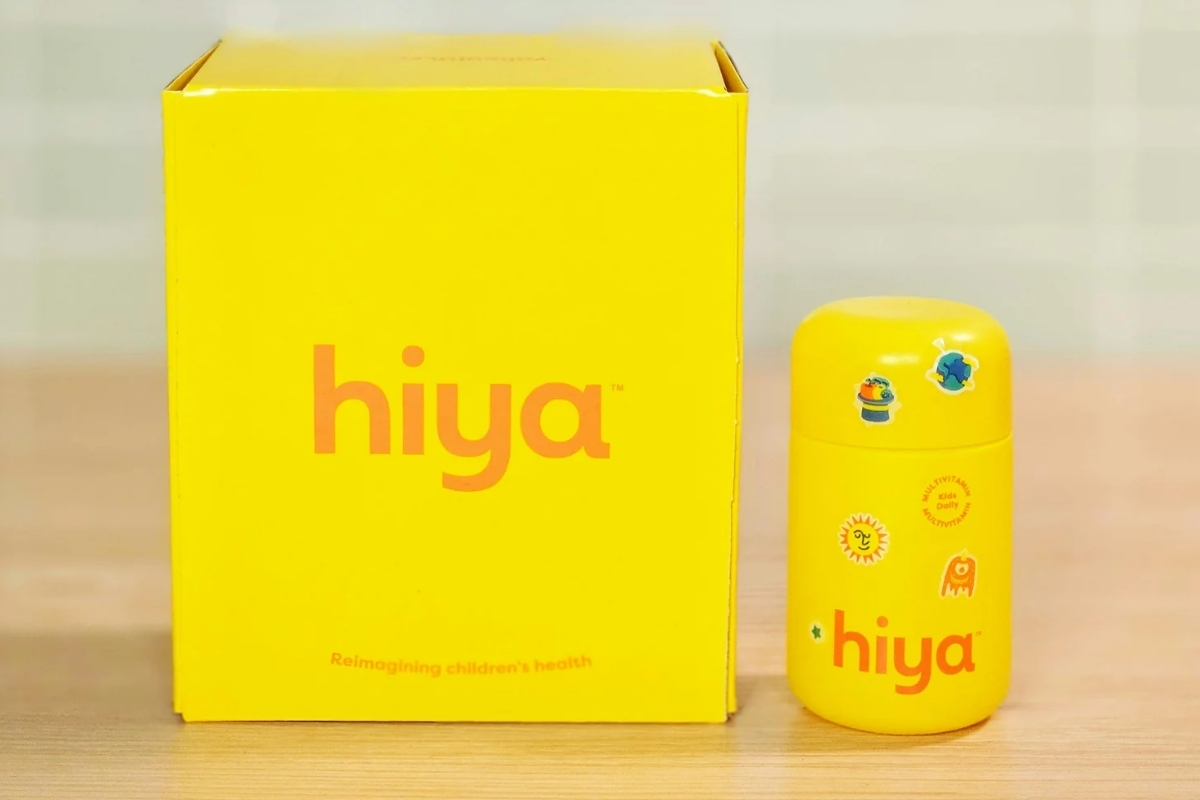
That moment, annoying and forgettable on the surface, was the start of Hiya. Darren co-founded the company in 2019 with Adam Gillman, another dad who had the same problem and the same instinct that there had to be a better way. They built it from their own savings, never raised outside capital, and launched in March 2020, the same week the WHO declared COVID-19 a global pandemic. Five years later, Hiya sold for $260 million.
It’s a business story, yes. But it started the way most good things do: a dad paying attention to something that didn’t sit right.
Darren lives in Los Angeles with his two daughters, now 14 and 15. The little-kid years are behind him, and by his own account, he’s glad about that.
Not because fatherhood was hard, but because the version of it he’s in now is genuinely interesting. His daughters are funny, opinionated, and increasingly themselves. He likes spending time with them. The relationship, he says, gets more interesting every year.
What’s changed is the job description. When they were small, the work was more obvious: keep them safe, keep them fed, keep them from hurting themselves. Now it’s something harder to define. Knowing when to step in versus when to let them figure something out. Helping them build resilience and judgment instead of preventing every mistake.
He doesn’t always get that balance right. But he’s clear on the direction.
Darren runs on flexibility. He’s built his schedule around being available, not just present on paper. Mornings in the kitchen, dinner together as a family, driving someone somewhere, hearing about the drama or funny thing that happened.
The no-phones-at-dinner rule is non-negotiable, not because he’s precious about it, but because it’s the one reliable moment in the day when everyone is actually there.
Outside, he resets. Not necessarily with defined exercise. Sometimes it’s a coffee walk. Sometimes it’s taking a call outside instead of sitting at a desk. Just being in the air rather than under a roof.
When he travels alone, he goes somewhere new. Small music venues. Long rabbit holes into whatever topic has his attention that month. Jogging. The kind of solo time that refills something without requiring a reason.
The piece of parenting wisdom that stuck with him isn’t a quote from a mentor or a book he’d recommend. He’s learned more from watching what works, noticing what doesn’t, and adjusting. That honest feedback loop, applied consistently over fourteen years, is the closest thing he has to a philosophy.
What he wishes he’d known earlier: how little of parenting is about having the right answer. It’s mostly about being available. Speaking openly. Building the kind of relationship where your kid actually tells you what’s going on, not the version she thinks you want to hear.
Transparent communication is the one thing he won’t negotiate on. He wants his daughters to feel like most topics are open for discussion. He’d rather have an uncomfortable conversation than pretend something complicated doesn’t exist.
Hiya is still growing. What started as a sugar-free chewable multivitamin has expanded into a full kids’ wellness line, built with pediatricians, tested by third parties, and designed without the junk that fills most of what’s on pharmacy shelves. The company Darren co-founded because he was a dad paying attention became one of the fastest-growing brands in children’s health.
He’ll be the first to tell you he didn’t have it all figured out when he started. He still doesn’t. But he asks good questions, adjusts when something isn’t working, and shows up consistently for the people who matter.
That’s pretty much the whole job, whether you’re running a company or raising a teenager.
Follow Darren and Hiya at @hiyahealth
Most dad content feels stale. Same cliche jokes. Same advice. Same version of what a “good dad” is supposed to look like.
Over the last year of building Dad Day, one thing became obvious: there are a lot of dads out there doing things differently. Building businesses from scratch. Creating community in unexpected ways. Taking the long road instead of the safe one. Not because it’s trendy, but because it feels right.
That’s where Go West came from.
Why Go West?
We’ve always been drawn to the people who went west before there was a clear path or a paved road. Not because it was easy, but because it was open. Uncertain. Full of possibility. Going west meant betting on yourself. Trusting your gut. Building something where there wasn’t much to build from yet.
That same mindset still exists today. It just shows up differently.
Go West isn’t about geography. It’s about choosing the harder, less obvious route. The one that doesn’t come with a script. The one where you figure things out as you go and build something meaningful along the way.
That’s the kind of dad we’re drawn to. And those are the stories we want to tell.
What Is Go West?
Go West is a short film series from Dad Day that spotlights modern dads carving their own path.
These aren’t highlight reels or polished success stories. They’re real looks at dads who build, dream, and act on ideas that don’t always fit the mold. Founders. Creators. Makers. Doers. Guys who decided not to follow the script and see where it led.
Some of these stories will be about business. Some about community. Some about family. All of them are about choosing a different way forward.
Because ordinary’s been done.
Why We’re Doing This
Dad Day has always been about more than tips, gear, or surface-level inspiration. It’s about showing what modern fatherhood actually looks like when you care deeply about how you spend your time, what you build, and the example you’re setting.
We wanted to create something that reflects that.
Go West is our way of telling deeper stories. Slower stories. Stories that don’t try to wrap everything up neatly in 60 seconds.
Episode One
The first episode features Robert Huffman, who sells coffee out of an old El Camino with one simple goal: foster connection and community.
It’s not about scale. It’s not about optimization. It’s about showing up, pouring into people, and building something meaningful in a way that feels human.
That episode drops soon.
What to Expect Going Forward
Each Go West film will focus on one dad and one story. No formulas. No templates. Just honest looks at people doing things their own way and sticking with it. This is just the beginning.
Watch the trailer below, and if it resonates, you’ll feel right at home with what’s coming next. Do us a solid and subscribe if it lands.