
If you’ve scrolled through Instagram lately, you’ve seen it. Everyone’s sitting in wooden barrels, sweating, claiming it’s the cure for everything from stress to longevity.
But is the sauna hype real? Or is it just another cold plunge in disguise?
Here’s what the science says, what dads actually get out of it, and which setups are worth your money.
The Case for Heat
Let’s start with the facts. Regular sauna use has been linked to better heart health, lower blood pressure, improved sleep, and fewer sick days. A 20-year Finnish study found that men who used saunas four to seven times a week had a 50% lower risk of cardiovascular death than those who didn’t. That’s not placebo. That’s data.
Beyond longevity, heat therapy helps with recovery. Sitting in a sauna boosts circulation, releases endorphins, and can cut post-workout soreness in half. You’ll also get the mental reset. Twenty minutes in 180°F heat forces you to sit still and breathe. It’s the most analog form of meditation a dad can get.
The Downsides
Saunas aren’t magic. They won’t replace workouts, therapy, or good sleep. You’ll sweat out water, not toxins. You’ll feel relaxed, but if you still crush three IPAs after dinner, the sauna won’t undo that.
And unless you buy smart, a sauna can become another expensive piece of backyard decor.
Best Sauna Options for Dads
Here’s what we like in 2025: simple, efficient, and built to last.
Redwood Outdoors Barrel Sauna
If you want the real deal, this is it. Redwood Outdoors makes classic Scandinavian-style barrel saunas built from cedar and thermowood. The round shape heats evenly, the cedar smells incredible, and setup is doable for two people on a weekend.
They offer both electric and wood-fired options. The electric is plug-and-play. The wood-fired gives you that primal, off-grid vibe.
If you’re serious about recovery and ritual, this is our top pick.
-
Price range: $4,000–$9,000
-
Details: Their smaller 2-person barrel saunas start around $4K. The larger 6-person wood-fired models can hit $8K–$9K with add-ons like porch decks or panoramic windows.
-
Pro tip: Delivery and assembly can add another $500–$1,000 depending on your location.

Sunlighten Infrared Sauna
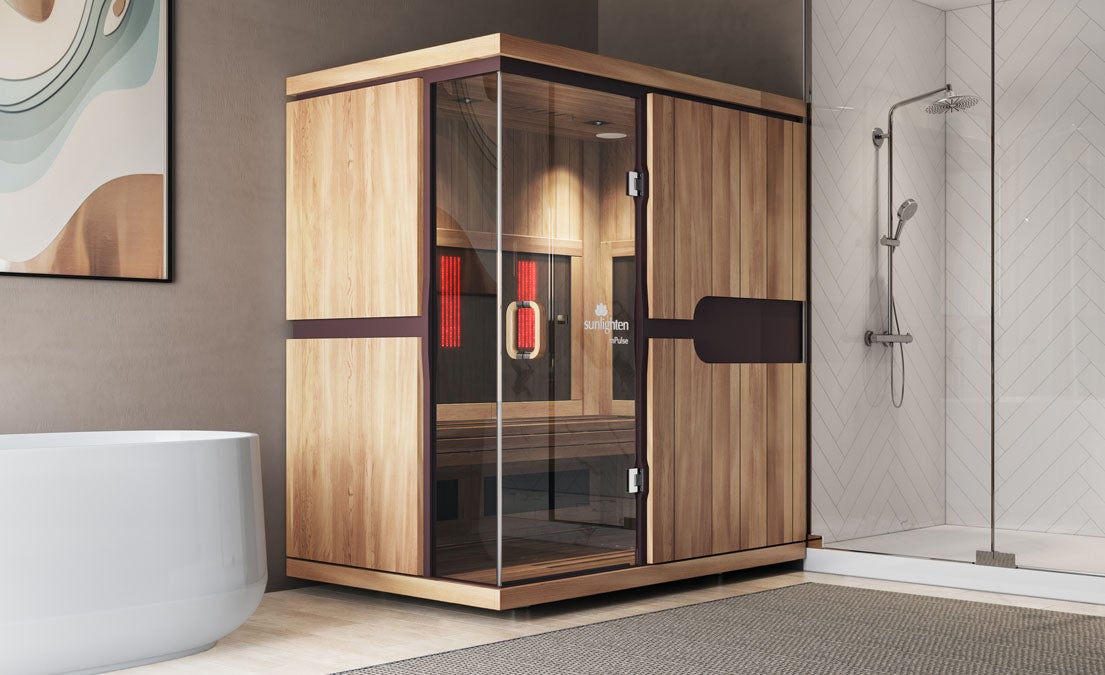
For dads who prefer high-tech over wood smoke, Sunlighten’s infrared saunas heat your body directly instead of the air. Lower temps, deeper sweat, and solid research backing the benefits for blood pressure and stress reduction.
They’re easier to install indoors and great for smaller spaces.
-
Price range: $3,500–$8,000
-
Details: The Solo System (portable dome) starts under $4K, while the larger, cabin-style models with chromotherapy and Bluetooth audio run closer to $8K.
-
Pro tip: Infrared models plug into standard outlets, so no electrician needed.
HigherDOSE Sauna Blanket
Not ready to build a barrel in your backyard? Start here. The HigherDOSE infrared blanket gives you 80% of the benefits at 10% of the cost. It’s portable, easy to clean, and actually gets hot enough to make you sweat.
Perfect for dads testing the waters before committing to full lumberjack status.
-
Price range: $500–$800
-
Details: Entry-level price for the at-home option. You can literally roll it up and stash it in a closet.
-
Pro tip: Great way to test if you’ll actually use a sauna before investing five figures in lumber and heaters.

How to Sauna Like a Pro
Keep it simple:
-
Start with 15 to 20 minutes at 170–190°F.
-
Hydrate before and after.
-
Cool down with a cold shower or plunge for contrast.
-
Repeat three to four times a week.
If you’re short on time, stack it after workouts or use it before bed. The heat drop afterward helps you fall asleep faster.
The Dad Verdict
Yeah, the sauna hype is real. But not for the reasons Instagram says. It’s not a miracle. It’s a habit. A 20-minute ritual that forces you to unplug, slow down, and do something good for your body.
Whether you go full Finnish with Redwood Outdoors or dip your toes in with an infrared setup, the payoff is real.
Less stress. Better sleep. Fewer aches. And maybe, just maybe, a few more years of chasing your kids around.
If you could boil down your health into one number, it wouldn’t be your cholesterol. Or your blood sugar.
It’d be your VO₂ max — how much oxygen your body can use when you push it to the edge.
Dr. Peter Attia calls it the single best predictor of how long you’ll live. Better than any lab test. Because VO₂ max (and strength) can’t be gamed. It’s the sum of years of training, movement, and discipline, not a weekend juice cleanse.
Here’s the punch line:
The higher your VO₂ max, the lower your risk of dying early.
And the good news? You can build it. Consistent workouts, smart intensity, and a plan that keeps you in the top 25 percent for your age group will move the needle.
Don’t obsess over your current number. Watch your trajectory. If your VO₂ max is holding steady or rising as you age, you’re literally slowing the clock.
Quick takeaways:
-
VO₂ max beats cholesterol, blood pressure, and blood sugar as a predictor of lifespan.
-
You can’t fake it — it’s earned over time.
-
You can train for it at any age.
Watch Dr. Peter Attia explain why VO₂ max matters for longevity.
Better Dad, Today: Train for endurance like your life depends on it because it kinda does.
Inspired by Dr. Peter Attia’s discussion on VO₂ max and longevity. © Original content and research by Peter Attia, MD. Watch the full segment via peterattiamd.com.
Understanding what’s going on under the hood shouldn’t require a medical degree. In our first-ever Dad Lab session, we sat down with performance coach Tyler Nicholson to get a crash course on how to actually read your blood work and what to do with the information once you have it.
Whether you’re training for your next Ironman or just trying to stay sharp for your kids, this 30-minute session is packed with real, actionable takeaways to help you level up.
What You’ll Learn:
-
The most important markers to track in your blood panel (and the optimal ranges)
-
Why most annual physicals miss the big picture
-
How to improve energy, recovery, sleep, and hormone levels with simple lifestyle changes
-
When to consider supplements—and which ones are worth your time
-
How hydration and electrolytes tie into everything
Who Is Tyler Nicholson?
Tyler has over 15 years in the fitness industry, has built movement tools for Naval Special Warfare operators, and leads nutrition programs for both healthcare and corporate clients. More importantly? He’s a new dad who gets it—and he’s on a mission to help others show up as their best selves.
Why This Matters
As dads, it’s easy to put our own health on the back burner. But the truth is—taking care of your body is one of the best ways to show up fully for your family.
Knowing what’s going on inside gives you the power to make smarter decisions, take control of your energy, and extend the runway for the things that matter most.
Want More Like This?
Sign up for Dad Day—our 3x/week newsletter built for dads who want to stay dialed in.
Join the Crew →
We asked the Dad Day crew to get real about their biggest fitness challenges and nearly 300 dads opened up.
The results? Painfully relatable.
Here’s the breakdown:
-
38% can’t find the time
-
29% struggle with consistency
-
20% battle motivation
-
4% are sidelined by injuries
-
5% say they’re dialed in
But the numbers only tell half the story. The real gold was in the comments.
“Working 12+ hours a day to provide for my family. Hard to find the time,” one dad shared.
Another, fresh off welcoming his first baby, said:
“I’m trying to carve out time to work out while making sure my wife can rest and recover.”
Then there’s the motivation side — a story most of us could tell:
“I bought a rowing machine, used it for a few weeks, and haven’t touched it since. Same story with a lot of things, not just exercise.”
And the small wins (and laughs) we all get:
“I used to sit in my car outside the gym watching Netflix. So I canceled the membership and bought a pull-up bar. Now I just walk past it on the doorframe — but hey, at least I’m not watching as much Netflix.”
Here’s the truth bomb:
When nearly 40% of dads can’t find time and another 30% can’t stay consistent, it’s clear — we’re all fighting the same battle.
Maybe knowing that makes those 5 a.m. workouts or living-room pushups between Bluey episodes a little easier to stomach. Because for dads, success isn’t about getting shredded. It’s about showing up — when you can, with what you’ve got.
Keep grinding, fellas. 👊
More real-life fitness content coming soon — built for dads, not influencers.
Leading by Example Starts with You
As dads, we often talk about leading by example. But what if the best way to teach resilience, discipline, and self-care to your kids isn’t through your words but your actions? That’s where fitness comes in.
Whether you’re hitting the gym, going for a jog, or chasing your kids around the backyard, your kids are paying attention. And every step, lift, or squat you take shows them what it means to prioritize health, embrace challenges, and take care of yourself.
Here’s why your workouts matter more than you might think—and how they leave a lasting impact on your kids.
Why It’s Important for Your Kids to See You Move
They Learn by Watching
Kids are like tiny mirrors—what you do, they’ll mimic. If you show them that exercise is a natural, positive part of life, they’ll be more likely to build those habits themselves.
- Normalizing Fitness: Exercise becomes something they expect to see, not a chore reserved for New Year’s resolutions.
- Teaching Consistency: Whether it’s a daily run or a quick yoga session, showing up for your workouts teaches them the value of commitment.
It Creates a Ripple Effect
When you make fitness a priority, it’s not just you who benefits—it changes the tone for your entire family.
- Active parents inspire active kids.
- Fitness often leads to healthier food choices.
- Exercise together builds stronger family bonds.
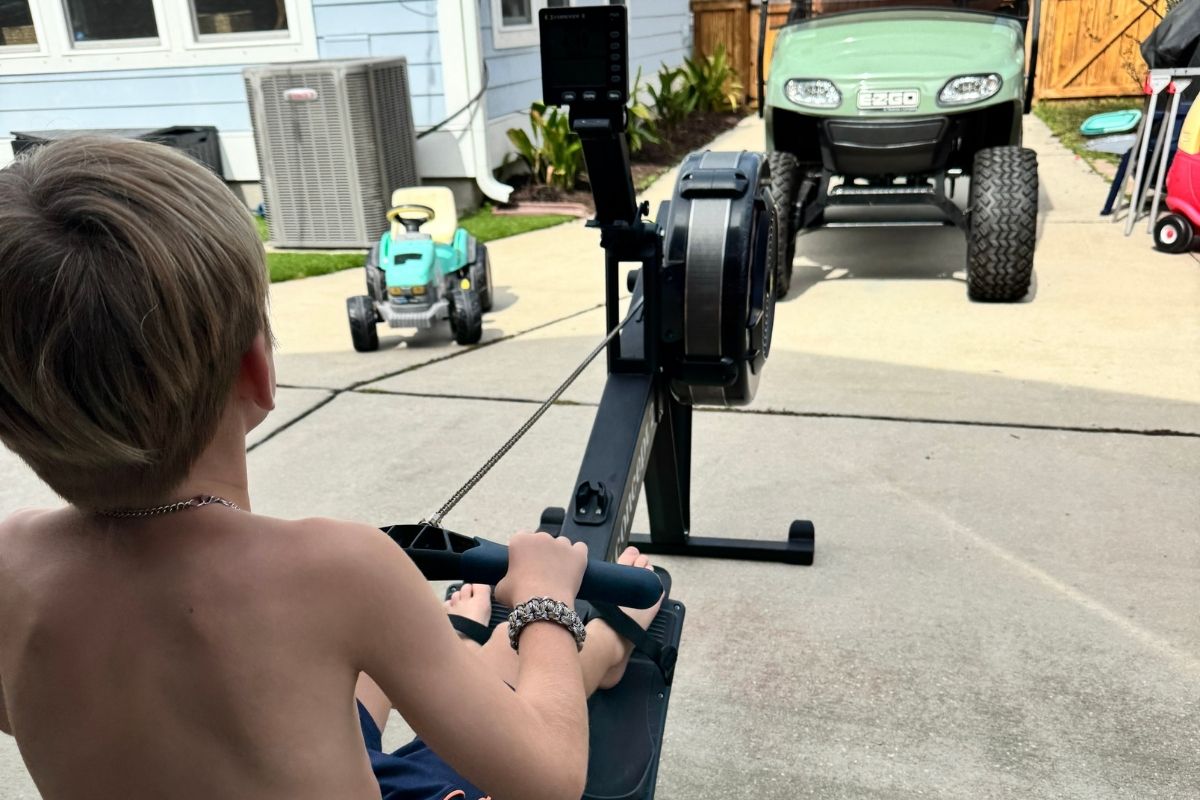
My 7-year old getting after it on the rower
What They’re Really Learning From Your Workouts
Resilience Is Built in the Struggle
When your kids see you tackle a tough workout—or even fail and try again—they learn that growth comes from effort. Whether it’s pushing through a long run or learning a new skill at the gym, you’re modeling how to handle challenges head-on.
Consistency and Discipline Win
You don’t have to be a fitness guru to teach consistency. Just showing up, whether for a 10-minute stretch or a 30-minute sweat session, plants the seeds of discipline.
Mindset Matters
Fitness isn’t just physical; it’s mental. Your kids will notice how exercise boosts your mood and energy, teaching them that movement is about feeling good as much as looking good.
Making Fitness a Family Thing
How to Get Your Kids Involved
- Play Together: Whether it’s shooting hoops, going for a hike, or a good old-fashioned game of tag, active play is a workout in disguise.
- Set Shared Goals: Sign up for a family-friendly fun run or set weekly activity challenges.
- Make It Fun: Create backyard obstacle courses or fitness scavenger hunts for an adventurous twist.
Celebrate the Wins
When your kids join you, make it about the experience, not performance. Acknowledge their effort with high-fives and celebrate the small victories.
Overcoming the Excuses
No Time? No Problem
- Squeeze in micro workouts (10–15 minutes still counts).
- Work out where your kids can see you—living room yoga or a garage workout fits perfectly into dad life.
Guilt-Free Workouts
It’s easy to feel bad about carving out time for yourself, but remember: your health is your family’s future. A healthier, happier you means more energy and presence for your kids.
Building a Legacy of Health
The hikes you take, the backyard soccer games, the morning runs—they’re more than workouts. They’re memories, lessons, and traditions. When your kids see you prioritize your health, they’re learning to value their own.
So the next time you lace up your sneakers, remember: it’s not just for you. It’s for them too.
If you’ve ever bent down to tie your shoes and heard your back whisper “don’t do that again,” this one’s for you.
Tom Merrick — better known as The Bodyweight Warrior on YouTube — built one of the most popular flexibility videos on the internet. Over 20 million people have followed along with his 15-minute full-body stretching routine, and for good reason: it actually works.
This isn’t yoga. It’s not fancy. It’s just smart, simple mobility training for people who want to move and feel better without spending an hour doing it.
Here’s what it covers:
-
Neck & Shoulders: Gentle side leans, assisted neck stretches, and shoulder extension reaches to unlock upper-body tension.
-
Chest & Lats: Deep chest openers and lats stretches that counteract all that desk time.
-
Back & Hips: Child’s pose, rocking twists, and hip stretches that release pressure through your spine and lower body.
-
Glutes & Legs: Cross-leg pulls, squats, and pike stretches to hit the hamstrings, glutes, and hip flexors.
-
Final Flow: Frog pose and side lunges to finish with deep adductor and groin work.
“You don’t need to be flexible to start — you get flexible by starting.” — Tom Merrick
A big part of Merrick’s method is breathing through discomfort, not forcing it. Each stretch builds into the next, creating a flow that hits every major muscle group in just 15 minutes. You can even grab his free downloadable PDF guide from the video description to keep it going offline.
Watch the full routine: 15-Minute Beginner Flexibility Routine by Tom Merrick
Inspired by Tom Merrick’s Bodyweight Warrior channel, which has helped millions build real-world strength and flexibility through simple, body-based training.
Humans were built to move weight. Long before gyms and kettlebells, we carried survival on our backs: food, firewood, and the occasional unlucky animal we chased down. That’s what Dr. Andrew Huberman and author Michael Easter dig into when they talk about rucking—walking with weight. It’s a forgotten superpower still hardwired into our DNA.
Running gets all the attention, but carrying weight does something special. It fires up your heart like cardio while also building the kind of functional strength that lasts. Adding a weighted backpack can burn more calories per mile than walking or running alone. It’s also one of the best ways to get outside, clear your head, and train without beating up your joints.
Studies on backcountry hunters show just how effective it is. They drop fat while keeping muscle; the kind of slow-burn transformation that sticks. The reason is simple: rucking hits nearly every major muscle group while forcing your body to adapt to real-world load. It’s primal fitness done right.
If you’re starting out, go light. Women should begin with 5 to 20 pounds. Men should start with 10 to 30. Build from there by adding weight or distance each week.
Keep it under 50 pounds or one-third of your body weight to stay in the safe zone.
Rucking also pairs well with running. It strengthens your stabilizers, improves efficiency, and reduces injury risk. And just like in life or work, the hardest part is getting started. Once you push through that early resistance, the rhythm takes over.
Watch Michael Easter and Dr. Andrew Huberman explain why rucking might be the most underrated way to get lean and strong
Strap on a pack, hit the trail, and carry something heavy. Your ancestors did it to survive; you can do it to thrive.
Inspired by Dr. Andrew Huberman and Michael Easter’s conversation on rucking, weight loss, and strength. © Original content and research by Michael Easter and Andrew Huberman, PhD. Watch the full episode on YouTube.