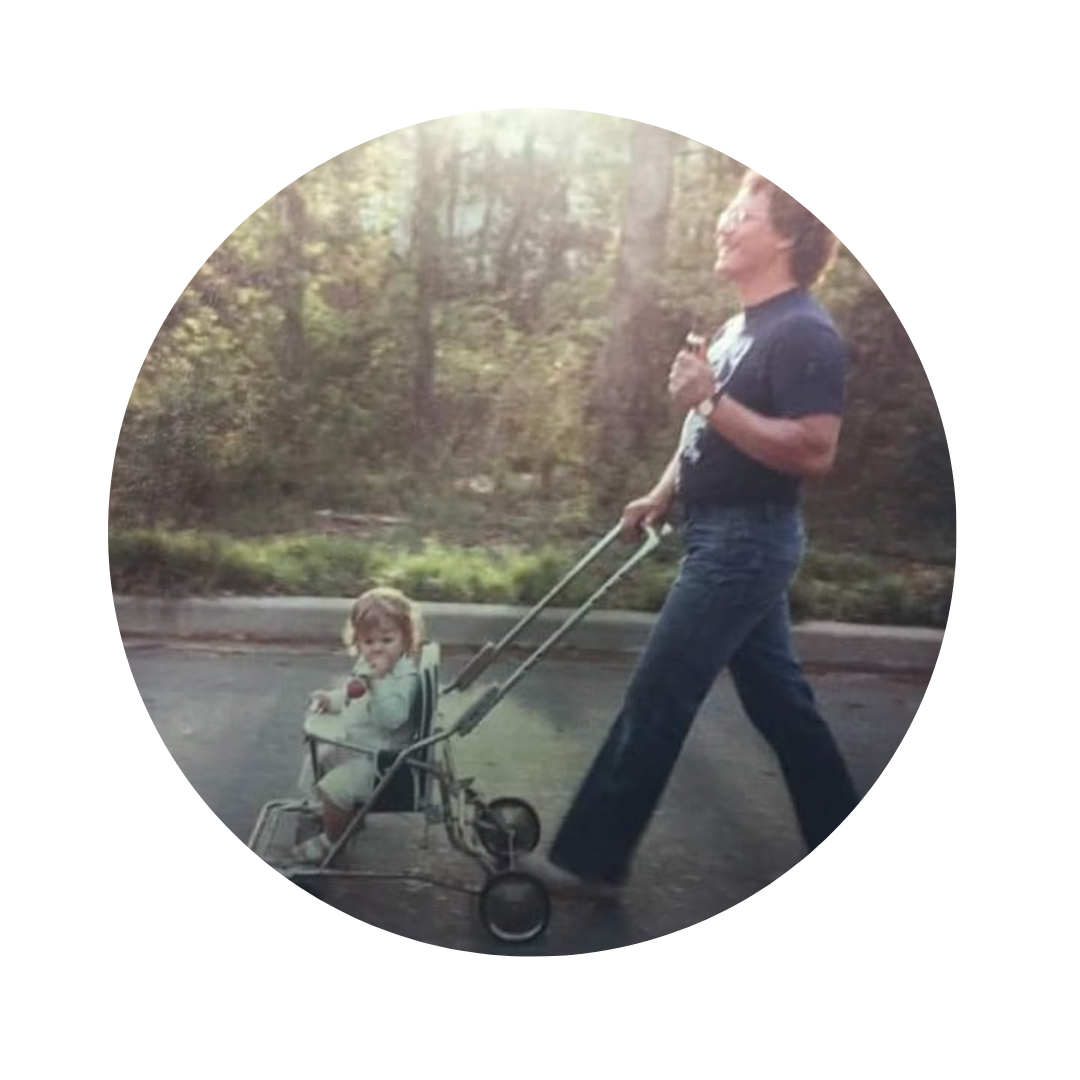
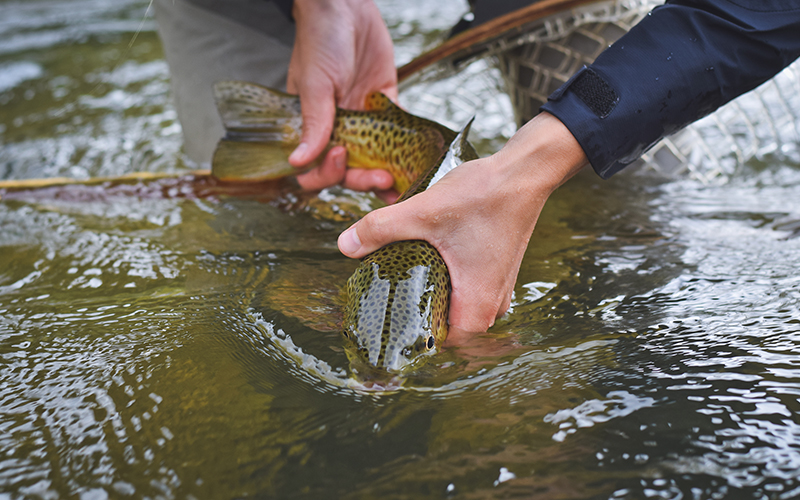
There is a version of this story that gets told a lot in fly fishing circles. Dad and kid standing in a misty river at sunrise. Rod bending perfectly. Kid’s face lighting up. A tight loop, a rising trout, a perfect memory. Credits roll.
That is not how it goes.
What actually happens is you drive an hour to a spot you have been thinking about all week. Your kid asks if you packed snacks every four minutes. Someone gets a hook somewhere it should not be within the first twenty minutes — usually you. The fish do not cooperate. You spend most of the afternoon untangling line while your kid throws rocks into the water and asks how much longer.
And somehow, years later, that is the trip they remember most.
This guide is for that trip. The real one.
What Age Should Kids Start Fly Fishing?
The most common question. The honest answer: it depends entirely on the kid.
Some children are ready at five. Most are not. The natural sweet spot is somewhere between eight and ten — old enough to follow basic instruction, developed enough to feel what the rod is doing, and curious about the world in a way that makes a river interesting rather than just wet.
Before that age, bring them along anyway. Let them watch. Let them poke around in the rocks. Let them carry the net. Let the river do its own recruiting. A kid who grows up watching their dad wade a stream is already halfway there before they ever pick up a rod.
The real signal is not age. It is interest. If your kid is asking to come, bring them. If you are dragging them, wait.
The 7 Rules for Fly Fishing with Your Kid
These are not suggestions. They are the difference between a trip that builds a lifelong angler and one that puts them off the sport for a decade.
1. Let go of your agenda
The moment you start treating this like a fishing trip rather than a kid trip that happens to involve fishing, you have already lost. Your job is not to catch fish. Your job is to make sure they want to come back. Those are very different missions.
2. Fish where the fish are
Do not take your kid to your favorite technical water where you have been perfecting a specific presentation for three seasons. Save that. Take them somewhere they can catch something. The first several trips are entirely about connection with a fish. Nothing else matters until that happens.
3. There is no such thing as a bad cast
Only casts that catch fish and casts that do not. Teach the stop and the pause. Teach them to watch where the fly lands. Never criticize the cast. Only praise the good ones. Some of the ugliest casts in history have landed on fish.
4. End the day while they are still having fun
This is the hardest rule for dads to follow, because you just drove an hour to get there and you are not ready to leave. Leave anyway. The kid who goes home wanting more comes back. The kid who goes home exhausted and miserable might not.
5. Stay calm when things go wrong
Line tangles. Lost flies. A fish that gets off at the net. These are not interruptions to the experience. They are the experience. The way you handle the hard moments is what gets passed down. Take a breath. Fix the tangle. Keep going.
6. Let them be in charge of something
Let them pick the fly. Let them decide which bank looks promising. Let them be wrong. The more they are invested in the plan, the more invested they are in the outcome. A kid who picked the fly that caught a fish will talk about it forever.
7. Pack more snacks than you think you need
This is non-negotiable. Bring the good ones.
What Is the Best Fly Rod for Kids?
This is where most dads overthink it. The right gear for a kid is simple: light, forgiving, and not so expensive that you will have a heart attack when they walk it into a tree.
Because they will walk it into a tree.
Rod length and weight
A 7 to 8.5 foot rod in a 4 or 5 weight is the right starting point for most kids. Light enough to feel, forgiving enough that imperfect casts still land somewhere useful. If you are fishing tight streams with overhanging cover — which is where most dads end up with kids — go shorter. A 6 to 7 foot rod in confined water saves both of you a lot of frustration.
The best fly fishing setups for kids
- Redington Minnow Outfit — Purpose-built for kids. Lightweight, holds up well, won’t break the budget when it gets broken. A good first rod.
- ECHO Lift Kit — Consistently recommended for beginners. Forgiving action, alignment dots for easy setup, and a lifetime warranty that is almost unheard of at this price point.
- Wild Water 5/6 Fly Fishing Combo — Everything in one box. Rod, reel, line, leader. Good for families who want to skip the separate purchases and just get on the water.
- Sage Foundation Outfit — For the dad who wants gear that grows with the kid. Higher price, but comes with a Sage reel and Rio Gold line. You will not replace it in two years.
Do not buy a rod so expensive that you spend the whole trip worrying about it. The best kid’s rod is one you can hand to them and forget about.
Two things that matter more than the rod
Barbless hooks. Just do it. Bend down the barbs before every session. You will not regret it the first time a hook ends up somewhere it should not be, which will happen.
Polarized sunglasses for both of you. They protect eyes from wayward casts. More importantly, they let your kid actually see fish in the water before casting to them. Spotting a fish before the cast is one of the most exciting things in fly fishing. It changes the whole game.
How Do You Teach a Kid to Cast a Fly Rod?
Start in the backyard. No water, no fish, no pressure.
Take the hook off and replace it with a small piece of yarn. It is visible, safe, and gives immediate feedback on whether the cast worked. The goal is to get comfortable with the basic mechanics — the pause on the back cast, the stop on the forward cast, the feeling of the rod loading — without adding the complexity of current, fish, and an audience.
Thirty minutes of backyard practice before the first real trip is worth three hours of streamside frustration.
Teach two things first, nothing else
The stop on the back cast. The stop on the forward cast. Everything else — loop shape, line management, mending — comes later. If they learn to stop the rod cleanly in both directions, the rest starts falling into place on its own.
Keep sessions short. Ten minutes of focused casting beats forty minutes of unraveling tangles and growing frustration. Always end while they are still enjoying it.
What good looks like at the start: The fly lands somewhere in the general vicinity of where they are pointing. That is genuinely enough.
What Fish Are Best for Kids Learning to Fly Fish?
The answer is: whatever fish will eat.
Bluegill and sunfish are genuinely underrated for teaching kids. They are aggressive, they are not picky, and they pull hard enough on a 4 weight that a kid feels every bit of it.
Stocked rainbow trout work for the same reason — the fish are there, they want to eat, and your kid will catch one.
Smallmouth bass on a small streamer is one of the most exciting things a kid can hook into. Aggressive strikes, strong runs, and they jump.
Wild trout — work toward this, not toward it from the start. The patience required for wild fish on pressured water is something that develops over time. It cannot be manufactured on trip one.
Best Water for Fly Fishing with Kids
Small ponds and lakes
The best option for beginners. No current to manage. Fish are accessible from the bank. Stocked ponds give you the highest chance of success on early trips.
Small streams
Step two. Short casts, visible fish, and the sensory experience of moving water is genuinely magical for kids. Look for slow pools and eddies rather than fast riffles.
Big rivers
Not for the first several trips. Current management, longer casts, wading in moving water — all of that takes time. A big river is a reward for a kid who is already hooked, not the place to hook them.
The best tip for picking water: call a local fly shop and tell them you are taking a kid for the first time. Ask where they would go. Fly shop staff know which water is kind to beginners and which will end someone’s enthusiasm for the sport. Use that knowledge.
Do Kids Need a Fishing License to Fly Fish?
In most states, no — but check before you go.
Most states do not require fishing licenses for children under 16. Some require licenses as early as age 10. Some require free youth permits for certain species even when a paid license is not required.
The simple version: Check your state’s fish and wildlife website before the trip. Five minutes. Saves you a fine and an awkward conversation in front of your kid about why dad is getting a ticket.
You as the adult need a valid fishing license regardless.
What to Pack for a Fly Fishing Trip with Kids
The fishing gear matters less than what surrounds it.
Fishing gear
- Kid’s rod and reel setup
- Barbless flies — a woolly bugger or elk hair caddis to start
- Small net with rubber bag — easier on fish, easier for kids to use, and they love netting their own catch
- Nippers and forceps for safe hook removal
- Polarized sunglasses for both of you
Everything else
- More snacks than you think you need
- Water for both of you
- Sunscreen — apply before you leave the car
- Bug spray
- An extra layer — rivers are cold and kids forget they are cold until they are hypothermic
- Small first aid kit
- A phone with a working camera — the fish does not need to be big to deserve a photo
Let the River Teach
Once the basics are down, get out of the way.
Flip rocks at the water’s edge and show your kid the bugs underneath — stonefly larvae, mayfly nymphs, caddisfly cases made of gravel and silk. Start connecting what is living in the water to what is on the end of the line. If your kid has any curiosity about the natural world, this is the part that hooks them for life.
The fishing becomes secondary. They are now reading water, understanding ecosystems, making predictions and testing them. That is not a fishing trip anymore. That is an education.
The river has been teaching people how to pay attention for a very long time. Let it do its job.
What You Are Actually Doing Out There
Here is the thing nobody says out loud about taking your kid fly fishing.
It is not really about fly fishing.
It is about an excuse to be somewhere without screens, without schedules, without the noise of everything pressing in from every direction. It is about standing next to someone you love in a place that is genuinely beautiful and having something to do with your hands while you figure out how to talk to each other.
The fish are almost beside the point. What you are really doing is building the kind of memory that sticks — the kind your kid will describe to their own kids someday, probably getting half the details wrong, definitely getting the feeling exactly right.
So go. Pick a day. Pick a river or a pond or a stocked stream that gives you a real shot at a fish. Pack too many snacks. Lower your expectations about the fishing and raise them about everything else.
The rest takes care of itself.
Frequently Asked Questions
What age should kids start fly fishing?
Most kids hit a natural sweet spot between eight and ten — old enough to follow instruction, developed enough to feel what the rod is doing. That said, the real signal is interest. If they are asking to come, bring them.
What is the best fly rod for a kid?
A 7 to 8.5 foot rod in a 4 or 5 weight is the right starting point — light, forgiving, and affordable enough that you are not stressed when it takes a beating. The Redington Minnow, ECHO Lift Kit, and Wild Water combo are all solid options. Avoid cheap plastic rods from big box stores. They break fast and cast poorly, which makes learning harder than it needs to be.
How do I teach my kid to cast a fly rod?
Start in the backyard before you go near water. Replace the hook with yarn. Teach just two things: the pause on the back cast, the stop on the forward cast. Ten to fifteen minutes at a time. Once those feel natural, move to still water. Short sessions before the first real trip save hours of streamside frustration.
What fish are best for kids learning to fly fish?
Bluegill, sunfish, and stocked rainbow trout. Aggressive, widely available, and they give kids a realistic chance at catching something early. The goal of the first several trips is simply to feel a fish on the line. Wild trout fishing comes later.
Do kids need a fishing license to fly fish?
In most US states, children under 15 or 16 do not need one. Requirements vary — some states require licenses as young as 10. Check your state’s fish and wildlife website before you go.
What flies should I use when fly fishing with kids?
A woolly bugger in black or olive works in almost any water and does not require precise presentation. An elk hair caddis is a good dry fly option — it floats well, is easy to see, and trout eat it readily. Avoid tiny flies early on. Big, visible, forgiving patterns give kids the best chance.
We cover this kind of stuff every week. Practical ideas, gear worth buying, and advice that holds up in the real world. Our Monday, Wednesday, and Friday newsletter goes out to 50,000 dads who want more of the good stuff and less of the noise.