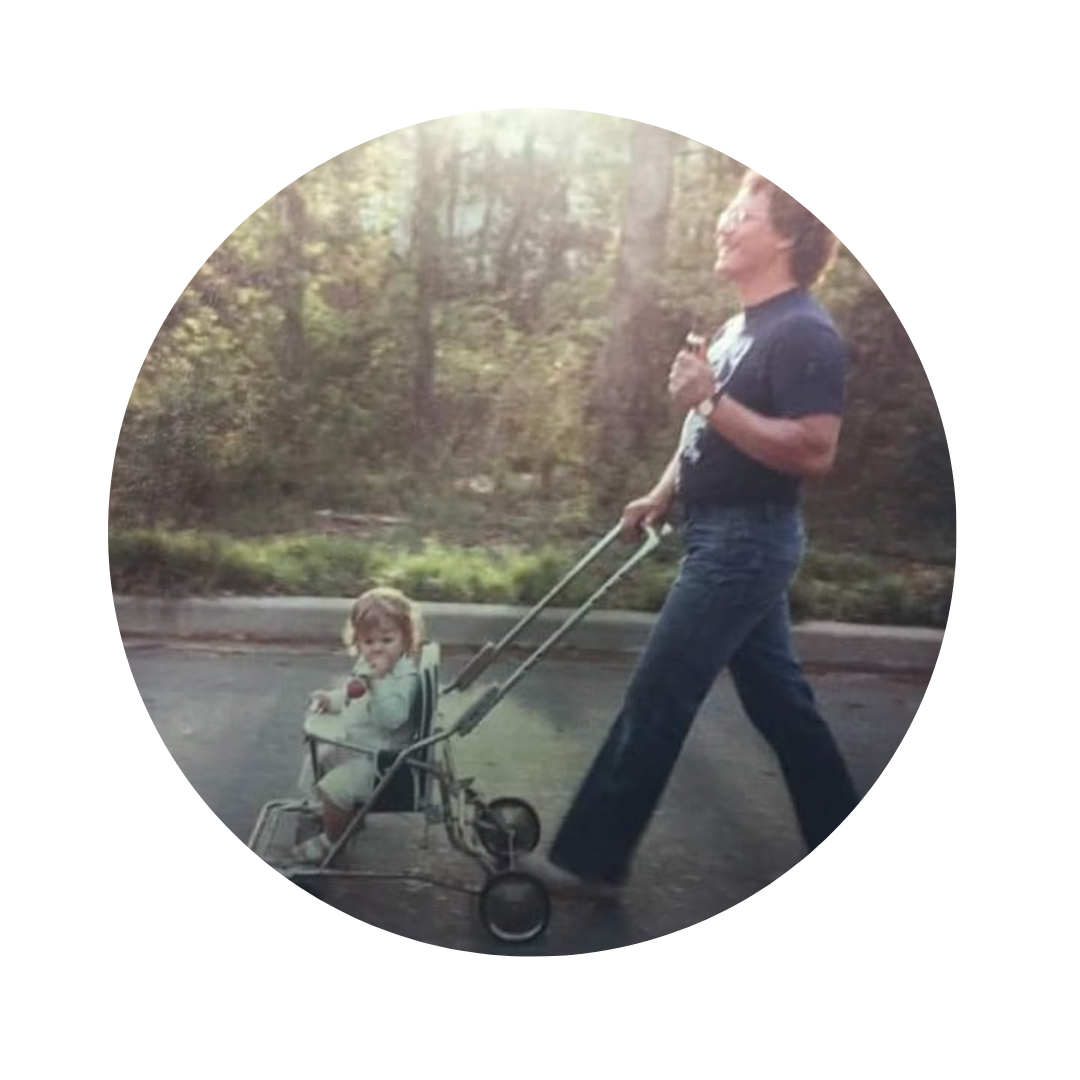

The onesie that fit last week doesn’t fit today.
You didn’t notice it happening. You were just living. Doing the feeds, the burp, the 3am shuffle to the crib and back. And then one morning you go to snap it and something’s off and you realize: he grew out of it. Sometime in the last seven days, while you were just trying to get through the week, something changed.
That’s kind of how all of it goes.
The Trap Nobody Warns You About
When you have a newborn, it’s almost impossible to imagine them walking.
They can’t hold their own head up. They need you for everything. The version of them that runs through the house and has opinions about dinner feels like science fiction.
So you don’t plan for it. You just survive the stage you’re in.
And then suddenly they’re crawling and you haven’t baby-proofed anything. Then they’re walking and you’re scrambling. Then they’re starting school and you’re realizing you never thought about what that transition was going to feel like.
Then they’re a teenager and you’re wondering how you got here and whether you built the kind of relationship that’s going to survive the next few years.
None of it sneaks up on you slowly. It all arrives faster than you expected, every single time, even after you’ve been told a hundred times that it will.
This Isn’t About Rushing It
To be clear: we’re not saying sprint through the stages. We’re not saying wish it away or skip the hard parts to get to the good parts.
The opposite.
The point is that the dads who think a little ahead, who have some loose sense of what’s coming and what they want to be building toward, tend to be more present in the current stage. Not less. Because they’re not just reacting. They’re playing a longer game.
There’s a difference between rushing and being intentional. Rushing is wishing this stage was over. Being intentional is enjoying this stage while quietly keeping one eye on who your kid is becoming and what they’re going to need from you next.
What Thinking Ahead Actually Looks Like
It doesn’t have to be complicated. It’s not a spreadsheet.
It’s more like a loose awareness. An occasional question you ask yourself: what’s coming next, and am I ready for it?
When they’re a baby, what’s coming next is mobility. At some point this child who is currently a potato is going to move. Then walk. Then run. Then open every cabinet in the kitchen while you’re in the shower. The dads who think about this a little bit ahead of time aren’t caught completely flat-footed when it happens.
When they’re a toddler, what’s coming next is language. Real, full sentences. Opinions. Questions you don’t know how to answer. The dad who’s been having one-sided conversations with his kid for two years, narrating everything and asking questions even without answers, has laid some groundwork for this.
The dad who’s been handing over the iPad every time things got quiet hasn’t.
When they’re in elementary school, what’s coming next is the formation of their identity. They’re going to start caring what their peers think. They’re going to start forming their own sense of who they are.
The dad who’s been paying attention to what lights his kid up, what they’re curious about, what kind of person they’re becoming, has something to work with. He can meet them in that.
When they’re a preteen, what’s coming next is the wall. The pulling away. The “I’m fine” when they’re clearly not fine. The dads who built the relationship in the earlier years, who logged the hours and the conversations and the side-by-side time, have something to draw on when things get harder.
The dads who figured they’d connect with their kid when they got older sometimes find that the door is a little more closed than they expected.
You don’t have to have all the answers for every stage. You just have to know it’s coming.
The Specific Thing Most Dads Miss
The physical stuff. Not emotional readiness. Physical readiness.
Your kid is going to get faster than you. Sooner than you think. The toddler you can scoop up with one arm is going to be a ten-year-old who can actually run. Then a teenager who can beat you in a sprint.
The dad who kept himself in some kind of shape, who built the habit of staying capable, can still keep up when it counts. Soccer sidelines, driveway races, hiking trails that get harder as the kids get more ambitious. The dad who let things go completely is sitting it out by the time his kid is actually old enough to really do things with.
This isn’t about vanity. It’s about availability. Being physically capable enough to show up for the stages ahead.
Join the Family


The Practical Version
Once a year, sit down and think about what stage your kid is entering in the next twelve months.
What’s going to change? What are they going to need more of from you? What conversations are coming that you haven’t had yet? What habits are you building right now that are going to carry into the next stage?
You don’t need to have it all figured out. You just need to not be completely caught off guard.
The parents who look back on their kids’ childhoods and say it went too fast are usually the ones who spent it all in reactive mode. Surviving each stage. Getting through the week. Looking up one day to find their kid is leaving for college and wondering how it happened.
It happened week by week. Day by day. The way it always does.
The Stage You’re In Right Now Is Worth Paying Attention To
That’s the other side of this.
If you’re always thinking about the next stage, you miss the one you’re standing in. The one that won’t come back.
The baby weight in your arms right now. The tiny hand that reaches for yours right now. The ridiculous three-year-old mispronunciation of a word that’s somehow the funniest thing you’ve ever heard right now.
Don’t rush through it to get to the good parts. These are the good parts.
Just don’t be so in it that you never lift your head and think about where it’s all going. Because it’s going somewhere. Faster than you think.
Stay present. Stay aware. Those two things aren’t opposites.
They’re the whole job.