
Most parents tell their kids: “Don’t talk to strangers.”
Scott Galloway does the opposite. He forces his kids to talk to strangers. Seriously. And sometimes it takes an hour.
Watch the Clip
View this post on Instagram
The Big Idea: Confidence Is a Repetition Game
Most adults struggle with one simple thing:
Talking to people they don’t know.
- Networking
- Job interviews
- Asking for help
- Starting conversations
For a lot of us, those situations trigger the same feeling: social anxiety. Galloway’s idea is simple. Confidence comes from exposure. Not theory. Not lectures. Reps. The more uncomfortable conversations you survive, the less scary they become.
Why This Matters for Kids
Here’s the trap modern parents fall into. We engineer friction out of our kids’ lives.
We order their food. We talk to the coach. We schedule the playdates.
But every time we do that, we accidentally send a message: “You can’t handle this.”
Kids don’t need protection from every awkward moment. They need practice navigating them.
The 30-Second Challenge
Galloway’s rule is brilliantly simple. Before leaving somewhere, his kids must talk to one stranger.
That’s it. Not a speech. Not a long conversation.
Just something small like:
-
“Can I pet your dog?”
-
“What kind of dog is that?”
-
“Is this line for coffee?”
Tiny reps. But powerful ones. Because those reps stack.
Why It Works
Kids feel the same fear adults do. That tight chest. That hesitation.
That voice that says:
“This might be embarrassing.”
When they push through that feeling once, something clicks. Nothing bad happens. The stranger smiles. The dog gets pet. Life moves on. And their brain rewires:
“Oh… I can do this.”
What This Looks Like for Dads
You don’t need to copy the exact Starbucks rule. But you can borrow the principle.
Look for small opportunities to nudge your kids out of their comfort zone.
Have them:
-
Order their own food
-
Ask the store employee for help
-
Introduce themselves to another kid
-
Thank a server directly
It might feel awkward. That’s the point.
The Long Game
One day your kids will have to:
-
Ask for a job
-
Introduce themselves to a future spouse
-
Pitch an idea
-
Make a friend in a new city
Those moments all require the same skill: Talking to people you don’t know. It’s not talent. It’s practice.
Dad Day Takeaway
Confidence isn’t something you teach. It’s something kids earn through uncomfortable reps. So next time you’re in line at Starbucks…Don’t speak for them. Let them sweat a little. Then let them go ask if they can pet the dog.
What happens when you walk away from a safe job to build something you actually love?
Most people think about it. Few actually do it.
In Episode 2 of Go West, we follow Richie, founder of Daylight Burrito, as he makes that leap. The kind that keeps you up at night. The kind that makes you question your sanity. Leaving a stable path to open a burrito shop might sound simple. It’s not. It’s long hours. Financial risk. Sacrifice.
And a voice in the back of your head asking one question on repeat:
“Is this actually going to work?”
For Richie, the answer was clear. Yes. But clear doesn’t mean easy.
Watch Episode 2
The Story Behind Daylight Burrito
Opening a restaurant is one of the hardest businesses in America. Margins are thin. Hours are brutal. And the work never really stops.
But for Richie, it wasn’t about chasing the “safe” option anymore. It was about building something his kids could watch him build. Something real. A place where early mornings smell like fresh tortillas and green chile.
Where regulars become friends. Where a dad can say, “Yeah, I made this.”
That’s what Daylight Burrito is becoming, one burrito at a time.
What Go West Is About
Go West is a Dad Day film series about fathers carving their own paths.
Not the highlight reels. The real stuff.
The builders. The entrepreneurs. The dads trying to create something meaningful while raising a family.
Because the truth is, kids are always watching. They see whether we play it safe. Or whether we try.
And sometimes the most important thing a dad can do is show them what it looks like to bet on yourself.
Follow Richie + Daylight Burrito
If you want to see what Richie’s building:
Website:
https://www.daylightburrito.com/
Instagram:
https://www.instagram.com/daylightburrito/
Want More Stories Like This?
If you like stories about dads building things, chasing ideas, and figuring it out in real time, that’s exactly what we cover at Dad Day.
Join the newsletter here:
https://www.dadday.co/subscribe
There’s a moment most dads know well. You open the fridge at 6:07 pm. The kids are hungry. Your partner asks, “What’s the plan for dinner?”
And the answer is… vibes.
Maybe there’s half a pack of ground beef. Maybe there’s chicken that might still be good. Maybe you’re ordering pizza again. Modern family life runs fast. Work, school pickups, sports practice, bedtime routines. Dinner is often the one thing that gets squeezed. But lately a lot of dads have discovered a simple solution: have the meat show up at your door. Meat delivery isn’t just a luxury anymore. It’s becoming a practical tool for families who want better food without adding another errand to the week.
And that’s where companies like Good Chop come in.
The Modern Dad’s Grocery Problem
Let’s be honest about grocery shopping.
It’s rarely the quick errand we imagine.
- You drive there.
- You navigate crowded aisles.
- You compare labels.
- Then you get home and realize you forgot the one thing you actually needed.
For dads trying to cook more at home, meat is often the sticking point. Good meat matters. It’s the centerpiece of most family dinners. Burgers. Tacos. Steak night. Sunday chili.
But finding quality cuts at the store isn’t always easy. Labels are confusing. Prices fluctuate. And depending on the store, selection can be hit or miss. That’s why a growing number of families are switching to subscription-style meat delivery.
The idea is simple: better meat, sourced well, delivered regularly.
What Good Chop Actually Is
Good Chop is a U.S.-based meat delivery service focused on high-quality beef, pork, and chicken sourced from American farms. The company emphasizes three things dads tend to care about:
Quality. Transparency. Convenience.
Their products include:
-
Grass-fed beef
-
Humanely raised pork
-
Antibiotic- and hormone-free chicken
-
Seafood options in some boxes
Everything arrives frozen, portioned, and ready for the freezer. Instead of making a grocery run every few days, families stock up once and cook throughout the month. It’s basically the modern version of buying meat from a local butcher, just with better logistics.
Why It Works Well for Busy Families
When dads cook, they usually want three things:
-
Good ingredients
-
Simple meals
-
Less hassle
Meat delivery quietly solves all three.

1. You Always Have Dinner Options
One of the biggest dinner problems is decision fatigue.
If you’ve got a freezer stocked with steak, chicken, and ground beef, dinner becomes easier.
- Tacos
- Stir fry
- Grilled burgers
- Sheet pan chicken
Half the battle is just having ingredients ready.
2. The Quality Is Consistent
Good Chop sources meat from American farms and focuses on standards like:
-
No antibiotics or added hormones in chicken
-
Responsibly raised livestock
-
Traceable sourcing
That consistency matters. When you’re feeding your kids, you want to know what’s on the plate.
3. It Encourages Cooking at Home
Cooking at home is one of the easiest ways families improve their diet. But convenience food wins when ingredients aren’t available. A stocked freezer flips the equation.
When the protein is already handled, dinner becomes a 20-minute problem instead of a takeout decision.
The Dad Bonus: It Makes Grilling Way Easier
Every dad eventually becomes the grill guy. It’s practically in the job description.
But great grilling starts with great meat. When you’ve got good steaks, burgers, or pork chops ready to go, spontaneous grilling nights become easy.
Kids playing outside. Cold drink in hand. Dinner on the grill.
That’s a pretty solid Tuesday night.
A Small System That Makes Family Life Easier
There’s a lesson in all this that goes beyond meat delivery.
Good dads tend to build small systems that make life smoother.
- Meal planning
- Sunday prep
- A stocked pantry
- A freezer with real food inside
These tiny systems remove friction from everyday life. And fewer daily decisions means more time actually enjoying dinner together.
Which, when you think about it, is the whole point.
The Takeaway
Family dinners don’t have to be complicated. But they do require ingredients. Services like Good Chop simply remove one of the biggest barriers: getting good meat consistently. For busy families, that small shift can make cooking at home a whole lot easier. And that’s a win for everyone at the table.
Special Offer for Dad Day Readers
Good Chop is offering Dad Day readers their first box for $99 when you sign up using this link.
There’s a subtle mistake a lot of us make on family adventures. We become the cameraman.
The hike starts, the beach day unfolds, the birthday candles get lit, and we’re behind a screen trying to capture it all. We tell ourselves we’re preserving memories. And we are. But we’re also missing pieces of them. There’s a better move.
Buy your kid a camcorder. Then make them the official family documentarian. It sounds simple. It is. And it changes more than you’d think.
The Problem With Dad Holding the Camera
When Dad runs the camera, Dad disappears from the footage. You get great clips of your kids jumping off docks and chasing waves. What you don’t get is you — laughing, wrestling, cannonballing, being fully present.
And if you’re honest, when you’re filming, you’re only half in the moment anyway. You’re adjusting angles. Checking focus. Making sure you “got it.” Hand the camera over, and something shifts.
You stop managing the memory. You start living it.
A Camcorder Changes How Kids See the World
Give a kid a camera and a normal Saturday becomes a mission.
They don’t just walk through the woods, they look for shots. They notice light coming through the trees. They film the dog shaking off water in slow motion. They zoom in on things you’d never think to capture. It trains attention. It builds awareness.
Instead of passively consuming the day, they start actively observing it. That’s a skill most adults are trying to relearn through meditation apps and productivity books. Kids can build it with a camera.

You’re Not Buying a Gadget — You’re Giving Responsibility
This isn’t about tech. It’s about trust.
When you hand your kid a camcorder and say, “You’re in charge of documenting today,” you’re sending a message:
- I trust you with something valuable.
- Your perspective matters.
- You’re part of telling our story.
That’s a different level of ownership than just tagging along on a trip Dad planned. Kids rise to responsibility when we give it to them. Not perfectly. But meaningfully.
The Hidden Win: You Get to Be in the Frame
Here’s the part most dads don’t realize until later.
If you’re always filming, you’re rarely in the footage. Years from now, your kids won’t care about 4K resolution or cinematic angles. They’ll care that you were there…in the water, on the trail, at the table. When they’re the one holding the camera, you get to wrestle in the grass. You get to jump off the dock. You get to sit back at the campfire without thinking about storage space and battery life.
You get to be Dad, not the production crew.
Watching It Back Is the Real Magic
The best part happens later.
You sit down together and watch the footage. It’s shaky. The framing is off. There are 30 seconds of someone’s forehead. And it’s perfect. Because you’re seeing the day through their eyes.
What they chose to film says something about what mattered to them. What they ignored says something too. It’s a time capsule of their perspective at that exact age, something no perfectly edited highlight reel can replicate.
A Few Rules So You Don’t Ruin It
If you try this, keep it simple.
- Don’t micromanage the shots.
- Don’t critique the footage.
- Don’t turn it into a film class.
Let it be messy. Messy is honest.
If they drop it or forget to hit record, that’s part of the learning. The goal isn’t perfect documentation. The goal is participation and ownership.
The Bigger Lesson
Modern parenting often swings between control and anxiety. We try to manage every detail, optimize every experience, preserve every memory. Giving your kid the camera is a small act of letting go.
You’re handing over control of the narrative, just a little. And in doing that, you gain something better: presence. You’ll end up with a collection of imperfect videos. But more importantly, you’ll have been fully inside the moments they captured.
And one day, when you watch those clips years later, you won’t just see what your family did.
You’ll see how your child saw you.
There is a difference between being present and being reachable. Ben O’Meara is learning that in real time.
Ben lives in Austin, Texas and serves as Chief Brand Officer at Huckberry, a brand many of us have been fans of for years.
If you have watched Huckberry’s 72 Hour Challenge series on YouTube, you have seen Ben in action. Two teams. 72 hours. Over 100 challenges. Toyota 4Runners. Mountains. Rivers. Gear pushed hard in the real world.
It is durability under pressure. Performance in motion. Real field testing. But the most important tests do not happen in the Rockies. They happen at home.
The Downshift
Ben describes his work world as fast paced and high output. Campaign launches. Creative reviews. Big wins. Big stress. The hardest part of parenting for him is not logistics. It is the transition. Leaving that frequency at the front door.
He protects family time. He is physically there. But often his brain is still spinning on a project or deadline. His wife said something that stuck.
It is one thing to be in the room. It is another thing to be reachable.
That is the work now.
Adventure Is the Reward
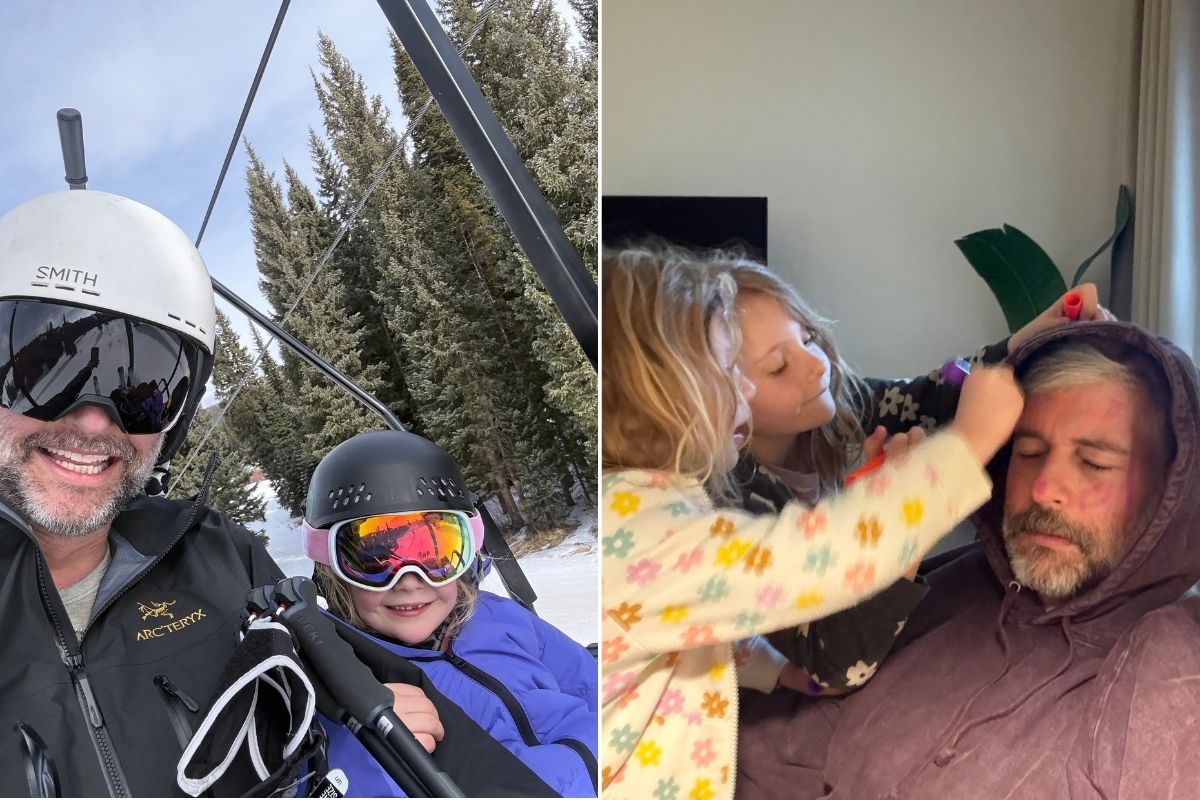
The most rewarding part of fatherhood for Ben has been watching his daughters fall in love with adventure. His family travels often. They spend time outside. They test gear with him. They sit in on video edits. They show up to his sandlot baseball games.
He used to think balance meant clean separation. Work in one box. Family in another. Now he believes integration beats isolation. The more he brings his girls into his world, the more connected they feel. Instead of building walls between passions and parenting, he invites them in.
He hopes that by showing them what lights him up, they will learn how to find their own spark.
Community Matters
Growing up, his mom always told him that you are who you hang with. That advice hits differently as a dad. You cannot raise great kids in a vacuum. You need other fathers. Other families. Community that fills your cup and challenges you.
Your kids are not just listening to your advice. They are watching your friendships.
And in classic Ben fashion, he has one practical tip for new dads. Skip the fancy diaper bag. Buy a great outdoor backpack with real pockets. You will use it long after the diaper days are over.
The Daily Rhythm
Ben wakes at 5am. That window before the house wakes up is sacred. Movement. Exercise. Reset.
Breakfast with the girls. School drop offs. Full workday. Pickups around 5. Dinner together. Bedtime routine. His wife works full time too, and he calls her the glue. They hold weekly meetings after the kids go down. Tea or sometimes something stronger. They talk through schedules and remind each other to find joy in the chaos.
Reset Button
When things feel loud, Ben runs. Short run. Long run. It does not matter.
Running clears the mental clutter and creates momentum before a big day or after a heavy one. Add the right playlist and it works every time.
Non Negotiables
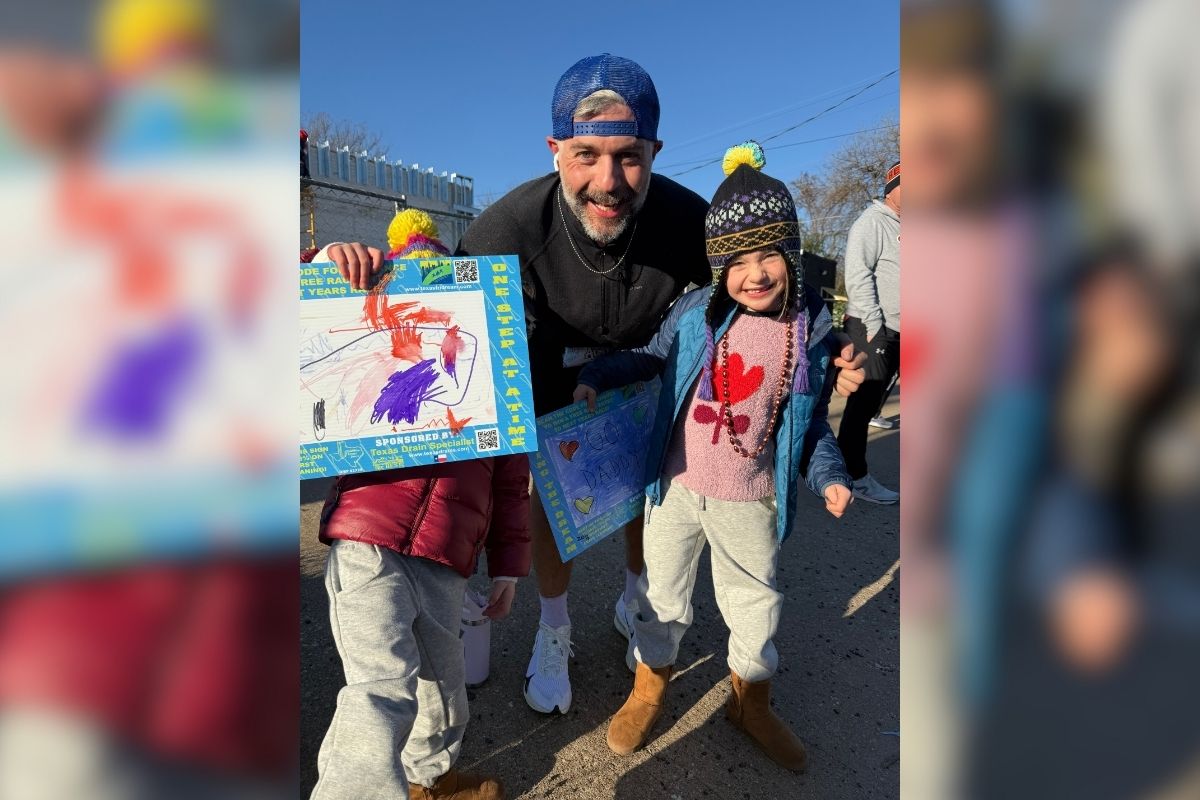
Saturday morning pancakes with music blasting in the kitchen. Morning workouts. Community. He plays on an Austin sandlot baseball team called the Moontowers. The friendships built there will last a lifetime.
Fatherhood for Ben is not about separating life into neat boxes. It is about integration. Bring your passions home. Slow the frequency. Be reachable.
The other night I was in the garage, reorganizing absolutely nothing, when a song came on that I hadn’t heard in years.
It was Higher by Creed. Seventeen-year-old me used to blast it with the windows down, convinced I understood life. Then I grew up, discovered irony, and decided my music taste had “evolved.”
But standing there between a half-assembled shelf and a bag of grass seed, I didn’t skip it. I turned it up. And it sounded… good.
That’s when it hit me: something has shifted. Not dramatically. Not overnight. But steadily, quietly, over the past few years of becoming a dad.
I Get Choked Up Now
I was never the emotional guy.
- Breakups? Managed.
- Stress? Internalized.
- Movies? Unmoved.
Now I find myself clearing my throat during car commercials. A dad teaching his daughter to drive. A kid hitting a game-winner while his parents lose their minds in the stands. The ending of Toy Story 3? Forget it.
Fatherhood doesn’t turn you fragile. It removes your emotional armor. Once you’ve held your own kid, the world feels more personal. Every story about a child hits closer. Every moment of pride feels earned.
You don’t cry because you’re weaker. You cry because you understand more.
I Care About Things I Used to Mock
I used to think adults were dramatic about household stuff. Now I have strong opinions about lawn stripes. About thermostat settings. About the correct way to load a dishwasher.
The house isn’t just a place anymore. It’s the backdrop of your kids’ childhood. It’s where scraped knees get cleaned up and bedtime stories get read. When something feels off, it’s not about control, it’s about stewardship.
You stop seeing chores as chores. You start seeing them as maintenance on the life you’re building.
Sleep Is a Performance Tool
In my twenties, I optimized for fun. Now I optimize for sleep. Seven and a half hours feels like a competitive advantage. Five hours feels like I’m negotiating a hostage situation with a toddler at 6:12 a.m.
Patience requires fuel. And kids burn through it fast.
My Social Life Got Smaller…And Better
Here’s one nobody talks about.
You don’t just lose time. You lose tolerance. I don’t want to sit around complaining about work, politics, or how “crazy things are right now.” If I’m leaving my house at night, which already feels like a logistical operation, I want to spend it around positive people who are getting after it.
Building something. Training for something. Thinking bigger. Being good dads. The circle gets smaller. But the quality goes up. You realize energy is finite. And who you spend it with matters.

Risk Feels Different
I still believe in big swings. Start the thing. Build the thing. Bet on yourself. But now there’s a second layer to the calculation. Before kids, failure bruised your ego. Now it affects the people who call you Dad.
That doesn’t make you timid. It makes you measured. You’re not less ambitious. You’re more responsible. The math changes when it’s not just your landing anymore.
Music From Your Past Sounds Different
When I was seventeen, Creed felt dramatic and intense.
Now it feels nostalgic. It reminds me of a version of myself who worried about curfews and college applications, not daycare costs and pediatrician copays. Listening to it doesn’t make me young again. It just connects me to who I’ve been.
You don’t go back to old songs because they’re cool. You go back because they anchor you.
The Shift No One Talks About
The biggest change isn’t your taste in music or your bedtime. It’s your tenderness.
You’re quicker to forgive. Slower to judge. More aware of how short everything is. You look at other kids and realize they’re someone’s whole world. You think about your own parents differently. You start to understand their worry, their exhaustion, their quiet sacrifices.
Becoming a dad didn’t harden me the way I expected. It deepened me. I didn’t lose my edge. I lost my indifference.
And honestly? That’s a trade I’ll take.
Building a company around presence doesn’t automatically make it easy to live that way. Daniel Ng knows this better than most.
Daniel lives in Vancouver, Canada with his wife and their two kids, ages four and six. He’s the co-founder of No Reception Club, a brand rooted in the idea of disconnecting from technology and reconnecting with your family through travel, adventure, and shared experiences.
But as any small business owner knows, the irony is real.
When Work Brain Won’t Shut Off
The hardest part of parenting for Daniel isn’t logistics or scheduling. It’s presence.
As a founder, his mind is often racing. Ideas, problems, decisions. Even while physically with his kids, it takes real effort not to drift into work-related thoughts. That tension feels especially sharp given what his company stands for.
Presence, for him, isn’t automatic. It’s a daily practice.
The Gift of Flexibility
On the flip side, owning a small business has given Daniel something he deeply values. Freedom from the traditional 9-to-5 mold.
Being able to show up for school pick-ups, tough days, and moments when kids need support matters more than any title. Daniel believes those moments shape a child’s internal monologue as they grow up.
One recent example stuck with him. While skiing, his younger child felt scared on a difficult stretch of the mountain. Without prompting, his older child stepped in and said, “Believe in yourself. You can do anything.”
That kind of language doesn’t come out of nowhere. Daniel hopes those quiet “dad-isms” echo for years to come.
Doing the Inner Work
Looking back, Daniel wishes he had known earlier that showing up better for his kids often starts with working on himself. Therapy. Honest conversations with his partner. Strong friendships, especially with other dads. Vulnerability matters. Investing in yourself isn’t selfish. It’s part of investing in your kids.
One thing he actively works on is letting go of his own insecurities so they don’t get passed down. Parenting, he’s learned, has a way of exposing what still needs healing.
Being Dad, Not Coach
Some of the most impactful advice Daniel’s carried came from actor Jeff Daniels, who once spoke about long car rides to and from hockey games. The time spent not talking about hockey, he said, paved the way for closeness later in life.
As a coach for his six-year-old’s hockey team, Daniel thinks about this often. It’s easy to slip into feedback mode. But that’s not his job in the car.
His job is to take off the coach hat and just be dad. Safe space. Cheerleader. Biggest fan.
A Very Real Dad Day
Mornings aren’t optimized. Daniel and his wife aren’t 5am workout people, and their kids are slow risers too.
Daniel wakes the kids while his wife makes breakfast. Those wake-up moments are his favorite part of the day. One-on-one connection. Imaginative play with a favorite stuffy. Helping each child start the day on the right foot.
After drop-offs, it’s work mode. Afternoons bring activities, lessons, or intentional one-on-one dates. Dinner is always together, with a strict no-phones-at-the-table rule.
Bedtime means baths, stories, and lights out. Once the kids are asleep, Daniel and his wife often log back in for a second work shift. Founder life doesn’t always fit neatly into daylight hours.
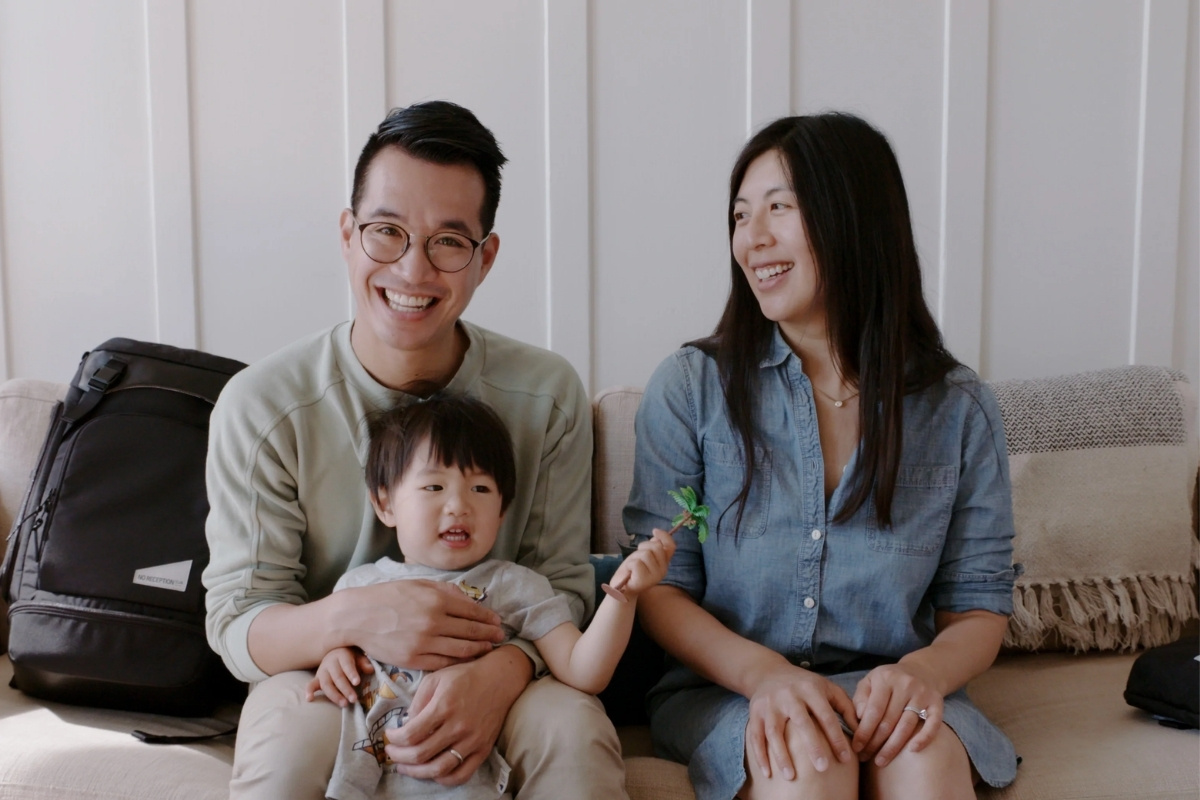
Photo from No Reception Club
Accepting What Won’t Get Done
Juggling work, life, and family often means accepting tradeoffs. A messy house. A delayed launch. A skipped workout. Forgotten show-and-tell. Daniel’s learned that hyper-prioritization is the only way through peak seasons.
Clear, constant communication with his wife, who is also his co-founder, makes it possible. Divide and conquer only works if you’re aligned.
He’s also learned that “life” can’t be ignored for too long. Health, hobbies, friendships, and interests outside work and family are the fuel that make everything else possible.
Music as a Reset
When things feel overwhelming, Daniel turns to music. Not podcasts. Not algorithms. Music.
Putting on an album from start to finish on the drive to pick up his kids has become a reset ritual. He’s started collecting vinyl and choosing records intentionally. Listening the way artists intended feels grounding in a world of constant noise.
And yes, he’s officially retired “Beautiful Things” from his playlists.
Teaching the First Spark
Daniel hopes to be his kids’ first teacher in many things. Skiing. Biking. Swimming. Sports.
The first time is always hard. It’s scary. You’re bad at it. But pushing through that initial discomfort opens the door to lifelong joy. He hopes that one day, when his kids carry those hobbies into adulthood, they’ll remember that their dad was the one who taught them how to start.
When he’s flying solo, Daniel pushes himself physically. Running, biking, skiing, hockey. He also prioritizes dad trips. A weekend with other guys in the same season of life goes a long way.
Daniel’s story is a reminder that presence isn’t about perfection. It’s about choosing, again and again, to show up where your feet are.
Like this? Sign up for our weekly newsletter.
There’s a moment in every dad’s life when you realize the SUV is lying to you. Not maliciously. Just… politely. Car seats multiply. Sports bags get bigger. Costco trips turn into logistical events. And suddenly, space matters more than stance.
That’s how we landed on the 2025 Toyota Sienna XLE—and why it became the latest episode in our What We Drove series.
This isn’t a press car. This isn’t a spec-sheet flex. This is the car we actually bought.
Why a Minivan (And Why Now)
We didn’t wake up one day wanting a minivan. We woke up needing one.
With a growing family, the equation changed. Doors matter. Floor height matters. The ability to move around the car—not just sit in it—matters. Minivans were always designed for function first. And honestly? That’s still the point.
The Sienna just happens to hide that function inside something that doesn’t feel like a total surrender.
The Trim We Chose: XLE (The Sweet Spot)
Toyota offers a lot of trims. We didn’t want all the tech. We wanted the right tech.
The XLE hits the middle perfectly:
-
Big, clean touchscreen
-
Wireless charging
-
Plenty of USB ports (because kids + devices = reality)
-
Comfortable without feeling like a spaceship
Enough features to feel modern. Not so many that you’re yelling at menus instead of driving.
The Hybrid That Changes Everything
Here’s the stat that actually matters:
35–40 MPG in a minivan.
The Sienna runs a 2.5-liter 4-cylinder hybrid, and it completely reframes what “family car” means day to day.
Real-world dad math:
-
~$40 to fill the tank
-
~600+ miles of range
-
Fewer gas station stops
-
Less mental overhead
School drop-offs. Practice. Weekend tournaments. Errands. You stop thinking about fuel entirely—and that’s freedom.
Interior: Built for Movement, Not Just Seating
This is where the Sienna earns its keep.
-
Second-row captain’s chairs slide effortlessly
-
Tons of legroom
-
Low floor = easy entry (kids and grandparents)
-
Sliding doors that open five different ways:
-
Foot sensor
-
Handle button
-
Pillar button
-
Key fob
-
Driver controls
-
It’s a small thing until you’re holding groceries, a backpack, and a kid who refuses to walk. Then it’s everything.
Cargo Space That Actually Solves Problems
The trunk is deep. Like “this used to be a closet” deep.
- Blankets? Easy.
- Sports gear? No problem.
- A dresser? Surprisingly yes.
The third row folds down simply. The seats recline. The space adapts. And yes—Toyota even includes a first-aid kit. Quietly responsible. Very on brand.
The Price (And the Long Game)
Out-the-door price for our 2025 Sienna XLE: $46,500.
Not cheap. But here’s the real calculus:
-
Toyota reliability
-
Hybrid efficiency
-
Minimal maintenance
-
Long lifespan
This is a car you buy once and stop thinking about. That’s the luxury.
Final Take: From “Team SUV” to Team Honest
We were skeptical. We were resistant. We were wrong. The Sienna doesn’t try to be cool. It tries to be useful. And somehow, that’s what makes it great. If you’re still clinging to an SUV because you think a minivan says something about you—ask yourself this:
Do you want to look like you’ve got it together…or actually have it together?
Dad Day Verdict
The 2025 Toyota Sienna is what happens when practicality wins—and everyone benefits. Watch the full episode in our What We Drove series and decide for yourself.
Sometimes the most dad move is choosing what works.
There’s a certain honesty that comes from building a life without a safety net. Dougie Mann lives squarely in that space. Dougie is an artist and brand builder based in North Tustin, California. He and his wife are raising four kids. Buck is twelve, Dolly is nine, Sonny is six, and Winnie is two. It’s a full house, and life moves fast.
The Weight of Responsibility
When asked about the hardest part of parenting, Dougie doesn’t give a polished answer. It starts with sleep deprivation when the kids are young. But once they start sleeping, a different pressure takes over. Providing.
As an artist and entrepreneur, Dougie wears all the hats. Income comes in waves. There are dramatic ups and downs, and you never fully feel settled. Even when things are going well, there’s a sense that you’re still grinding to keep it all afloat.
And yet, it works.
Purpose Changes Everything
The most rewarding part of fatherhood, Dougie says, is the purpose it gives him. Being responsible for something bigger than yourself changes how you operate. It pushes you to do things you didn’t think you were capable of. With a two-year-old in the house, life once again moves at her pace. Needs come first. Schedules bend. Dougie isn’t in a rush for the day when he has to fill his time with distractions. He’s seen where that leads. Letting kids set the rhythm keeps life honest.
Presence Over Perfection
If there’s one thing Dougie wishes he knew earlier, it’s this. Presence matters more than anything. Be present. That’s the greatest gift you can give your wife and kids. Love your wife every day. Tell her more than you think you should.
The advice that stuck with him most runs counter to a lot of modern pressure. Don’t worry about being financially perfect before having kids. His dad always said, “Money always works.”
Even when finances feel like a dumpster fire, that line keeps proving true. The kids matter more than the numbers.

A Day Built Around Creating
Dougie’s days start before the house wakes up. Coffee on. Sunshine in his eyes. Simple stretching and kettlebell work. Nothing complicated. You don’t need to be Arnold Schwarzenegger. Then it’s getting kids moving. Breakfast, usually Trader Joe’s chocolate croissants if things are going well. Hair combed. Teeth brushed. Everyone loaded into the minivan. Middle school drop-off first, then elementary school.
Back home, coffee in hand, Dougie heads into his studio, which is currently his garage. Emails first. Then painting. His wife helps with social media, so they’ll usually post something together during the day. To keep his energy up, Dougie takes short breaks. Sunshine. Walking. Stretching. Then back to the work.
“Paint like your life depends on it,” is a phrase he repeats to himself. Because right now, it does. The last few months have been paid for purely by painting. If that’s where he’s being pointed, that’s where he’s going. Evenings bring kids home, activities, and dinner around 5:30 or 6. His favorite part of the day is hearing about everyone’s day around the table. Some nights they watch a family movie while eating. Nothing fancy. Just together.
Faith in the Chaos
Balancing work, life, and family doesn’t always look graceful. It gets chaotic. But Dougie trusts that it works out. He sees it as a journey of faith. God has the bigger plan in place. His job is to remember that when things feel overwhelming.
When he needs to reset, the ocean is the answer. Exercise helps. So does church.
Non-Negotiables and Quiet Wins
Dougie’s one hard rule is ocean time. Get the kids in the water. Teach them to swim well. It’s not optional. It’s a life skill and a gift. When he gets time alone, Wednesday mornings are sacred. He swims the Newport Pier with Pier Club. That’s his guilty pleasure. He also listens to audiobooks, currently deep into Lonesome Dove by Larry McMurtry, which he can’t recommend enough.
Dougie’s story is a reminder that fatherhood doesn’t require having it all figured out. It requires presence, faith, and the willingness to keep showing up even when things feel uncertain.
You can follow him at @dougiemann.
Routine isn’t a bad thing. Most of us work hard to build one. Morning schedules. Work blocks. kids’ activities. Family dinners. Bedtime. Repeat.
The problem is that routine has a way of tightening around you over time. Not all at once, but slowly.
Weeks blur together. You’re doing fine. Life isn’t falling apart. But something feels flat. Predictable. Like you’re always reacting and rarely resetting. I’ve felt that more times than I can count, especially as a dad.
Here’s the thing most people don’t talk about: growth almost never happens inside routine. It happens when you step just far enough outside of it to see yourself clearly again.
Comfort is sneaky like that. It doesn’t announce itself. It shows up as reasonable excuses. I don’t have time. Now’s not the season. Maybe later.
Especially as dads, it’s easy to convince ourselves that putting our heads down and grinding is the responsible move. And sometimes it is. But over time, comfort turns into autopilot. Same conversations. Same inputs. Same people. Same expectations of yourself.
You stop challenging your body. You stop challenging your thinking. You stop putting yourself in rooms where your standards get raised. Not because you don’t want more, but because it’s easier not to disrupt the flow.
Before Dad Day, I spent years running events. Startup events in San Francisco. Then an adventure travel company with trips all over the country and internationally. National parks. Costa Rica. The whole thing. I’ve done big events. I’ve done complicated events. I’ve done way overproduced events.

A couple years ago, I was invited to an event in NYC by the team at Ten Thousand. For the first time, I wasn’t organizing anything. I just showed up.
We worked out. Ate good food. Walked the city. Had conversations that weren’t forced. There were speakers, but nothing dragged. There was structure, but also space. It wasn’t flashy or loud, but I left feeling different. Clearer. Lighter. More motivated. More connected.
I still talk to people I met there. I picked up ideas I actually used. And maybe most importantly, it reminded me how powerful it is to be around people who are setting their bars high.
That experience stuck with me.
As a dad, you carry a lot. Your energy matters. Your mindset matters. The way you show up at home matters. And yet, most dads rarely give themselves permission to reset.
Not escape. Reset.
To move their body differently. To hear new perspectives. To be around people who are building things and pushing themselves. To remember that growth doesn’t stop just because life got full.
There’s something that happens when you put yourself in an environment with people who have big goals. Not loud, chest-thumping goals. Real ones. Being better fathers. Better partners. Better humans.
That kind of environment recalibrates you. You don’t come home a new person. You come home more like yourself.
The best resets aren’t dramatic. They’re clarifying. You remember what matters. You regain momentum. You stop sleepwalking through weeks that are supposed to mean something.
That’s what stepping out of routine can do. Not because routine is bad, but because staying in it forever shrinks your perspective. Sometimes you need a weekend, an experience, or a change of scenery to remind yourself what you’re capable of.
That’s true in business. It’s true in fitness. And it’s especially true in fatherhood.
Built for More exists because I wanted to create the kind of experience I wish I had access to more often. Not a conference. Not a retreat full of awkward icebreakers. Not something performative or forced.
Just a small group. Movement. Time outside. Good food. Real conversations. A chance to break routine in a way that actually sticks.
If you’ve felt a little stuck lately, that doesn’t mean you’re failing. It probably just means you’re due for a reset.
Ready to Step Out of Routine?
Built for More is our first in-person experience, happening April 30 to May 2 in Charleston, SC. We’re capping it at 25 dads to keep it tight and intentional. It’s only 2.5 days, so you’re not away from the fam that long.
Still long enough to step out of the routine to come back sharper.
Early bird pricing is still live, and once spots are gone, they’re gone.
👉 Check out the event and grab your spot here.
And if you’re on the fence, we’re happy to hop on a call and chat. Just head over to our contact page and hit us up. Sometimes the best thing you can do for yourself and your family is say yes to the reset.