
How often have we heard:
– “It’s okay to fail as long as you try.”
– “It’s not how many times you get knocked down, but how many times you pick yourself back up.”
– “Trying and failing is better than never trying at all.”
(Or some version of these.)
We all know how important failing is for kids—it’s like their full-time job. It’s an inevitable part of life that is critical for their development.
As dads, we stress the importance of failing for character building, skill acquisition, and just overall life lessons. Whether it’s our little ones striking out in little league baseball, or spilling the milk when trying to pour themselves a glass, or, when our kids are teenagers and failing stings more, when they forget their lines in a school play, or get shot down by their romantic interest. Or when they’re adults and the failures can be more life altering after a failed marriage or losing their job.
Failure is bound to come at some point if we keep pushing our kids—and ourselves—to try new things and “be in the arena” (which we should).
But we also know that no matter the failure, we’re always there for our kids to pick them up. We’re in their corner with words of encouragement, letting them know that failure happens and everything is going to be okay, and then pushing them to get back out there.
But if we’re being honest, how often do we dads give ourselves this kind of grace?
Failure seems easier to forgive in others—especially our mini-mes—than it does in ourselves. As dads, we want to be the fixers, the problem-solvers, the steady hands that hold down the family, and a role model for our kids on how to navigate life. We can handle failure in everyone else (some moments we handle this better than others), but we need to give ourselves grace in the face of failure as well.
As a first-time dad myself, fatherhood seems to have failure as a built-in feature. I can’t count the amount of times I’ve shamed myself for losing my patience with my toddler that’s pushing every button (figuratively and literally) or beaten myself up for the times when I’ve plopped him down in front of the TV so I could get a little work done or plopped myself down in front of the TV instead of playing with trucks or building blocks with him.
The list goes on.
But it’s not that we want to fail but pretending that we aren’t going to at some point and then shaming ourselves for not being perfect doesn’t do anyone any good. Especially when we showcase this disappointment externally, our kids can and will pick up on that. The expectation to be perfect will make us not want to try and certainly not want to fail.
Which is exactly what we don’t want—for ourselves and for our kids.
Conversely, it’s more important when we fail that we can admit, “Hey, I messed that up,” and we correct the action or apologize for the inaction and vow to do better in the future (and, most important, take action to do it). In this way, we model something powerful for our kids: humility, accountability, and growth.
That trying and failing doesn’t have to be so bad.
It’s one thing to tell your kid to apologize when they’re wrong or out-of-line, and it’s another to show them how it’s done. Saying, “I shouldn’t have snapped at you earlier. I was frustrated and that’s not your fault. I was wrong and I apologize.” (I’ve had to say this exact phrase to my kid and to my wife.)
Having your kids witness this teaches them more about integrity than any lecture could.
And when we try something new—like coaching their team, or attempting to learn guitar, or finally getting around to learning that foreign language that you promised yourself you’d do this year—and it inevitably goes sideways (and it will—I know this from personal experience), it’s a chance for them to see you struggle, fail, regroup, and show them that perfection was never the goal anyway.
When that failure comes, it simply means we’re trying something new. Or it means we’re navigating new territory. Or it means we’re pushing past what’s easy. Or, sometimes, it means we erred because we’re human. Or, more likely, it’s a little bit of all of these combined.
And just as we teach our kids to try something new, to navigate new territory, and to push past what’s easy, or that as humans we err, we’re there to pick them back up when they fail because we know the importance of trying and failing for their growth.
As dads, we just need to make sure that we have the same amount of grace and understanding with ourselves when we fail as dads because it’s equally as important for our growth. We should hold ourselves to high standards—which is also important for our kids to witness—and not lower the bar in order to appear perfect.
It’s better to aim high, miss, and course correct than it is to aim low and always hit. The former is destined for growth while the latter is destined to stay the same.
And where’s the growth (or fun) in aiming low?
Our kids don’t need to see us being perfect (don’t try, it’s not possible anyways). They need to see us be human. To see us try, fail, and how we go about bouncing back and righting the situation.
So, don’t be so hard on yourself, dads. Our kids will be always watching and waiting to see how we react when we succeed and when we fail.
It’s important to show them that succeeding is the goal and achievement is great but failure is inevitable and that there’s learning and growth to be had in that.
It’s not just for kids. It’s for us dads, too. So go out there boldly, dads, and when you fail, fail boldly. Let them see what it’s like to fall down. Because every time we do, we teach our kids how to rise.
“If your gym shirt smells like regret before you even start your warm-up, it’s time for an intervention.”
The Problem
You’re not dirty. You’re dedicated. But those synthetic workout shirts and compression shorts? They hold onto odor like a toddler clings to your leg on Monday morning. Regular detergent doesn’t cut it. Fabric softener makes it worse. And that “sports detergent” you bought once smells like Axe in a blender.
Good news: You can absolutely de-funk your gear without replacing your whole drawer or living in fear of locker-room judgment.
1. Stop the Funk Before It Starts
Don’t let sweaty clothes stew in the hamper. Bacteria love moisture.
-
Air it out: Hang gear right after workouts. Garage, porch, anywhere but the gym bag.
-
Quick rinse: Even a 30-second rinse in the sink keeps odors from setting.
Think of it like dishes, easier to clean if you don’t let them crust over.
2. Use the Right Detergent (and Less of It)
More soap doesn’t mean more clean. Too much detergent traps residue, which traps stink.
-
Use a sports-specific detergent (HEX, Rockin’ Green, or Nathan Sport Wash all work).
-
Or add ½ cup of white vinegar to the rinse cycle.
If your washer has a “cold wash” setting, skip it. Warm water breaks down sweat oil better.
3. No Fabric Softener. Ever.
Fabric softener coats your clothes with a film that locks in odor. That’s why your “clean” shirt starts smelling funky halfway through your next run. Use dryer balls instead. They soften fabric without trapping stink.
4. Deep Clean Every Few Weeks
Once a month, give your gear a detox:
-
Fill a tub with warm water, 1 cup vinegar, and 1 tablespoon baking soda.
-
Soak for 30–45 minutes.
-
Rinse and wash normally.
It’s basically a spa day for your shorts.
5. Don’t Bake the Stench In
High heat cooks bacteria into your clothes. Air-dry or tumble on low. Your gear and your wallet will last longer.
6. Clean the Source: Your Washer
If your washer smells like a locker room, so will your clothes. Run an empty hot cycle with vinegar once a month to nuke the buildup.
Dad Bonus: The Prevention Kit
Keep this in your gym bag:
-
A mini spray bottle with diluted white vinegar (odor killer on the go).
-
A mesh bag for sweaty gear so it can breathe.
-
A small drying rack in your garage or mudroom for post-workout hang-ups.
The Dad Takeaway
Workout gear doesn’t have to smell like your high-school football bag. Treat your clothes like the tools they are: clean them right, dry them fast, skip the shortcuts. You’ll smell better, your gear will last longer, and your family won’t start staging interventions every time you walk in from the garage.
The Dad-Approved Laundry Kit
A few tools that actually keep your gym gear from smelling like middle-school locker rooms.
1. HEX Performance Laundry Detergent
Designed for synthetic fabrics — cuts through sweat and odor without wrecking elasticity. Get it here.
2. Rockin’ Green Active Wear Detergent
Natural enzyme cleaner made for athletic gear and compression fabrics. Works great for running shorts and base layers. Get it here.
3. Smart Sheep Wool Dryer Balls
Skip the fabric softener. These reusable dryer balls keep clothes soft and breathable — no residue, no stink trap. Get it here.
4. Distilled White Vinegar (Any Brand)
The unsung hero of laundry. Add half a cup to the rinse cycle to neutralize odor and bacteria. Get it here.
5. Joom Tripd Drying Rack
Air-drying keeps fabrics alive longer. Get it here.
Disclosure: As an Amazon Associate, Dad Day earns from qualifying purchases. It helps keep the coffee strong and the gear honest.
Are you the dad of a high schooler, or soon to be? Good news. These next few years can be a launchpad for your kid and a money saver for you.
Here are two smart paths worth knowing about, depending on where your teen is headed.
For the College-Bound Kid
If your kid’s got college in their sights, help them load up on Advanced Placement (AP) classes.
AP classes offer college-level coursework in high school, and most universities grant real college credit for students who earn qualifying scores on the exams.
Here’s why that matters: each AP exam costs about $100, and passing one can earn anywhere from 3 to 8 college credits depending on the subject and the university. That’s potentially thousands of dollars saved on tuition before they ever step foot on campus.
Some schools even help cover the cost of AP exams or offer incentives for students who take them. I’ve seen students graduate high school with a full year of college credit already banked. That’s one less year of tuition, one less year of dorm bills, and one more reason you don’t have to sell your fishing boat to help cover costs.
For the Hands-On or Career-Focused Kid
Not every kid wants to sit through four years of lectures and term papers. Some kids want to build, fix, or make noise with power tools, and that’s a good thing. If that sounds like your son or daughter, talk with their school counselor about Career and Technical Education (CTE) programs.
CTE offers real-world training for high-demand jobs while they’re still in high school. Students typically spend half their day in academic classes and the other half learning a trade. They can graduate with certifications or industry-recognized credentials that make them immediately employable — or give them a head start if they want to keep studying.
I’ve seen students walk straight into full-time jobs after high school, earning solid pay with zero college debt. That also means fewer “Dad, can I borrow twenty bucks for gas?” moments.
The Bottom Line
Whether your teen’s headed for college or the workforce, there are real opportunities in high school to help them get ahead and save you a small fortune in the process. Start the conversation. Ask about AP and CTE programs. Encourage them to take the next step.
That quick talk could set them up for success and keep them out of your basement after graduation. Sounds like a win-win.
About the Author
Written by a high school principal and dad who’s seen both sides of the system — the classroom and the kitchen table.
There are some moments in fatherhood that you know are going to be big—but then there are the ones that sneak up and absolutely wreck you.
We asked dads which milestone hit them the hardest and hundreds of you responded. The results paint a picture of those unexpected gut-punch moments that make you stop and realize, damn, time is flying.
The Numbers: What Hit Dads the Hardest?
- 57% – First day of school
- 21% – First time walking
- 8% – First heartbreak
- 8% – Other (unique milestones)
- 6% – Learning to drive
- 1% – Graduating high school
The First Goodbye: That First Day of School Hits Different
The overwhelming response? That first day of school. Nearly 6 in 10 dads said this was the moment that hit hardest.
And it makes sense. Unlike first steps—which happen gradually at home—the first day of school is a clean break. A before and after moment.
One day, they’re your little shadow, asking you for snacks every 15 minutes. The next, they’re shouldering a backpack that looks twice their size, walking into a building full of strangers. And you’re just… standing there.
The ride home feels a little quieter. The house suddenly feels too empty. And you realize—this is just the beginning of letting go, one small step at a time.

First Steps, Lasting Impact
For about 1 in 5 dads, it wasn’t school drop-off that hit hardest—it was those first wobbly steps.
There’s something about watching your kid physically move away from you for the first time that triggers something deep. It’s the moment when you realize:
“They’re not just growing—they’re growing away from me.”
You cheer them on, of course. You want them to keep moving forward. But at the same time, you realize that every milestone from here on out is another step toward independence.
The Unexpected Gut Punches
The “Other” category revealed some of the most powerful, unspoken milestones—the ones no one warns you about:
“The last time I walked my son to daycare, knowing the following fall he’d be taking a bus to kindergarten instead. We built a real friendship and some of our best memories on those walks.”
“First haircut. Hit me out of nowhere. Did not expect to get so emotional.”
“My daughter had a significant speech delay. The first clear ‘I love you’ hit hard.”
These are the quiet moments that blindside us. The ones that don’t come with a big announcement, but still mark a shift in fatherhood that you never saw coming.
The Later Years: Do We See It Coming?
Interestingly, the milestones that typically come later—first heartbreak (8%), learning to drive (6%), and high school graduation (1%)—scored much lower.
There could be two reasons for this:
- Fewer dads in the survey have kids that old yet.
- Maybe we have more time to prepare for these ones.
We know high school graduation is coming. We expect heartbreak. But that first bus ride to school? That first time they let go of your hand and run ahead? That’s the stuff that hits when you least expect it.
The Takeaway: Why These Moments Wreck Us
What’s clear is that we’re most vulnerable to the earliest transitions—the first real separations.
The first day of school, the first steps, the first haircut, the first time they don’t need you for something.
Maybe that’s why those first-day-of-school pictures hit so hard. It’s not just about them growing up—it’s about us learning to let go, one milestone at a time.
So if you’ve got one of these milestones coming up? Soak it in. Take the picture. Feel the feelings. Because the hard truth is, you don’t always realize it’s the last time until it’s already gone.
Bringing home your first kid is a whirlwind. You read the books, you sterilize the bottles, you panic over the slightest cough. Then you survive it. You find a rhythm. You start to feel like maybe, just maybe, you’ve got a handle on this whole “dad” thing.
Then comes kid number two. Or three. Or more. And suddenly, you’re not just a dad. You’re the zone defense.
Here’s what we’ve learned (and what no one really tells you) about going from one to a full-blown crew.
1. Your Time Gets Sliced Even Thinner
With one kid, you can tag in and out with your partner. With two? Divide and conquer. With three or more? You’re outnumbered, permanently.
-
Alone time? Gone.
-
Free time? Negotiable.
-
Sleep? Let’s not talk about it.
But here’s the shift: you start to value the little moments more. A peaceful car ride. A high-five from your toddler. A full cup of coffee that’s still warm. Those tiny wins hit harder now.
2. You’ll Worry About “Fairness” More Than You Should
You’ll find yourself wondering:
- Am I giving enough attention to the older one?
- Am I bonding enough with the baby?
- Am I totally forgetting the middle child exists?
The answer is: probably yes, to all of it. And that’s okay.
Fair doesn’t always mean equal. It means being tuned in to what each kid needs — and trusting that love, effort, and presence will even things out over time.
3. Your Firstborn Might Rebel (Or Just Get Loud)
Going from one to two means your firstborn loses their solo status. Some take it well. Others… not so much. They may act out, regress, or demand attention in creative (read: chaotic) ways. This isn’t bad behavior, it’s just transition.
Pro tip: give them something that’s still “theirs.” A job. A morning routine with just you. A special role as the older sibling. Let them lead. Let them belong.
4. You’ll Lower Your Standards (And That’s Growth)
The second pacifier doesn’t get sterilized. The third kid eats crackers off the floor. Laundry piles up. Showers get skipped. And you know what?
The world keeps turning. You become more efficient, less stressed about the small stuff, and more focused on what really matters: connection, safety, and presence.
5. Your Heart Actually Does Grow
You’ll wonder how you could possibly love another human as much as your first.
Then it happens. Instantly. You look at your second kid, and the love just shows up — big, wild, and real. It’s not split. It’s multiplied.
You realize that family isn’t about balancing. It’s about expanding.
Going from 1 to 2 (or more) isn’t easy. It’s chaotic. It’s loud. It’s humbling. But it also grows you in ways you didn’t expect.
You become more patient. More adaptable. More intentional with your time. And somewhere between the diapers, the tantrums, and the tag-teaming bedtime — you realize: you’re building something real. Something messy. Something beautiful. A family.
Want more real talk like this in your inbox?
Subscribe to Dad Day — the 3x/week newsletter for modern dads who give a damn.
When They Lose It, You Don’t Have To
How to stay calm when your kid’s going nuclear.
There’s nothing quite like a 4-year-old screaming because their granola bar broke in half to make you question everything you thought you knew about self-control.
We get it. You’re running on caffeine and crumbs, you just sat down for the first time all day, and now you’re being summoned into emotional warfare over mismatched socks. Again.
So how do you stay level when your kid’s going DEFCON 1? Here’s what we’ve learned, mostly the hard way.
1. Slow everything down. Especially you.
The louder they get, the quieter you should get. The faster the chaos moves, the slower your response should be. Take a breath. Literally. In through the nose. Out through the mouth. You’re not reacting—you’re resetting.
2. Remember: their brain isn’t fully online.
Kids aren’t tiny adults. They’re tiny humans with under-construction wiring. When they’re flipping out, their emotional brain has hijacked the wheel. You can’t reason with a hijacker.
Your job? Be the co-regulator. Calm you calms them. Eventually.
3. Don’t match the energy. Hold the space.
Yelling back doesn’t diffuse—it escalates. Instead, channel your inner monk. Hold the line. You’re not ignoring them—you’re anchoring them. Think lighthouse in a storm, not storm yelling back at the storm.
4. Narrate, don’t fix.
“I see you’re really upset your granola bar broke.” That’s it. No solving. No logic. No life lesson about bar structure integrity. Just naming the emotion helps defuse it. Then wait. It’s weirdly powerful.
5. Get curious, not furious.
Sometimes what looks like defiance is just tiredness, hunger, overstimulation—or a sock seam that “feels weird.” Instead of, “What is wrong with you?!” try: “What’s going on, bud?” Small shift. Big difference.
6. Give yourself some damn grace.
You’re going to lose it sometimes. We all do. The win isn’t being perfect, it’s repairing after the rupture.
A simple: “Hey, I didn’t handle that how I wanted to. I’m working on it too.” Teaches way more than any lecture.
The Bottom Line:
Your calm is contagious. Your tone sets the tone. And your presence when they’re falling apart is what sticks. You won’t always get it right. But you can always try again. And that’s what strong dads do.
Fatherhood is full of challenges—sleepless nights, diaper blowouts, and eventually, the chaos of navigating teenage drama. But one of the greatest challenges (and responsibilities) of being a dad is teaching your kids how to handle life’s ups and downs without losing their cool. That’s where resilience comes in.
Resilience isn’t just about toughing it out. It’s about teaching your kids to adapt, problem-solve, and bounce back when life doesn’t go their way. And as a dad, you’re the one setting the tone. So how do you raise kids who can handle whatever comes their way? Let’s dig into some dad-tested, research-backed strategies.
1. Let Them Fail (and Don’t Freak Out)
What Other Dads Are Doing: When my oldest tried out for his first soccer team, he didn’t make the cut. It crushed him and I wanted to fix it. But instead of swooping in, I let him sit with the disappointment. We talked about what he could work on, and the next year, he made the team.
Why It Works: Research shows that failure is essential for building resilience. Kids who experience setbacks learn how to problem-solve and persevere, rather than relying on someone else to fix things for them.
Dad Strategy: Resist the urge to helicopter. Let your kids experience small failures, like forgetting their homework or losing a game. Then help them reflect on what they learned.
2. Give Them Responsibilities Early
What Other Dads Are Doing: My 8-year-old is the official “trash captain” of the house. It started as a joke, but now it’s his responsibility to take out the trash every week. He grumbled at first, but now he’s proud of owning the task.
Why It Works: Giving kids responsibilities helps them feel capable and builds independence. According to child development experts, chores and responsibilities teach kids accountability and time management.
Dad Strategy: Start small. Assign age-appropriate tasks like feeding the dog, packing their lunch, or folding laundry. Praise their effort, not just the outcome, to build confidence.
3. Model Resilience
What Other Dads Are Doing: Last year, I lost my job. It was a tough moment, but instead of hiding my struggles, I talked to my kids about what I was doing to bounce back—updating my resume, networking, and staying positive.
Why It Works: Kids learn more from what you do than what you say. Modeling resilience shows them how to handle stress, setbacks, and uncertainty.
Dad Strategy: Next time you face a challenge, talk to your kids about it (in an age-appropriate way). Let them see how you problem-solve and stay calm under pressure.
4. Teach Problem-Solving, Not Quick Fixes
What Other Dads Are Doing: When my daughter broke her favorite toy, she immediately came to me for help. Instead of fixing it for her, I gave her some glue and talked her through how to repair it herself.
Why It Works: Teaching kids to solve their own problems gives them the tools they need to handle bigger challenges later. According to psychologists, kids who learn problem-solving early are better equipped to manage stress and setbacks.
Dad Strategy: When your kid comes to you with a problem, ask, “What do you think we should do?” Guide them to a solution instead of handing it to them.
5. Encourage a Growth Mindset
What Other Dads Are Doing: Whenever my son says, “I can’t do this,” I remind him to add “yet” to the end of the sentence. It’s a simple trick, but it shifts his focus from what he can’t do to what he’s working toward.
Why It Works: A growth mindset—the belief that abilities can improve with effort has been shown to increase resilience. Kids who focus on growth are more likely to take on challenges and less likely to fear failure.
Dad Strategy: Celebrate effort over results. Instead of saying, “You’re so smart,” try, “I’m proud of how hard you worked on that.”
6. Build a Strong Support System
What Other Dads Are Doing: We make family dinners non-negotiable. No matter how busy we are, we sit down together, share a meal, and talk about our day.
Why It Works: Resilience isn’t built in isolation. Kids need a strong support system: parents, friends, teachers—to help them navigate life’s challenges.
Dad Strategy: Create regular family traditions, like game nights or Sunday hikes. Encourage your kids to build strong friendships and connect with supportive adults outside the family.
7. Teach Them to Manage Emotions
What Other Dads Are Doing: When my youngest gets upset, we have a “calm down corner” with pillows and coloring books. It’s a place where she can chill out and process her feelings before we talk.
Why It Works: Emotional regulation is a cornerstone of resilience. Kids who learn to identify and manage their emotions are better equipped to handle stress.
Dad Strategy: Teach your kids to name their feelings (“I’m frustrated” or “I’m sad”). Show them healthy ways to cope, like deep breathing or taking a break.
8. Celebrate the Small Wins
What Other Dads Are Doing: When my daughter learned to tie her shoes, we threw a “shoe-tying party.” It was silly, but it made her feel like a champion.
Why It Works: Celebrating small wins builds confidence and reinforces a growth mindset.
Dad Strategy: Acknowledge your kids’ achievements, no matter how small. It’s not about participation trophies—it’s about recognizing effort and progress.
Final Thoughts: Raising Resilient Humans
Resilience isn’t something your kids are born with; it’s something you teach, model, and encourage every day. As a dad, you have the unique opportunity to shape how your kids approach challenges, failures, and successes.
It’s not about shielding them from every hardship; it’s about giving them the tools to navigate life with grit, independence, and a sense of humor. So, go ahead—let them fail, cheer them on, and show them how to get back up.
Because at the end of the day, resilient kids grow up to be strong, capable adults. And isn’t that what we’re all striving for as dads?
Real connection for real dads: no cheesy tips, just the good stuff.
Let’s be honest: nobody hands you a roadmap for fatherhood. Especially when it comes to bonding with your kid. Every stage brings new chaos, new questions, and new chances to build something real.
Whether you’re holding a newborn at 3am or trying to figure out what the heck a “core memory” is, here’s how to bond with your kid at every stage. No pressure, no perfection – just presence.
Baby Phase (0–12 months): The Burrito & The Bassinet
What bonding looks like: Physical closeness, consistent comfort, and a familiar voice.
At this stage, your baby doesn’t care how funny or cool you are. They just want to know you’re there.
Try this:
-
Skin-to-skin contact: Yep, it’s not just for moms. Helps regulate their body and builds trust.
-
Narrate your day: Talking out loud while doing basic tasks (changing, feeding, walking) helps them associate your voice with safety.
-
Get good at swaddling: Be the go-to wrap master. It’s like the dad version of origami.
-
Tag in during the night shift: Even if you’re not feeding, you can rock, soothe, and walk laps at 2am.
Dad tip: Your job here is to show up and stay calm. The consistency is the connection.
Toddler Phase (1–2 years): The Wiggle & Whine Years
What bonding looks like: Movement, play, and co-exploring the world.
They’re walking, talking (ish), and testing everything. Including your patience. Bonding means rolling with it.
Try this:
-
Turn everything into a game: Getting dressed? Race. Diaper change? Sing. Dinner time? Color countdown forks.
-
Match their energy: Even five minutes of wild dancing or block-stacking goes a long way.
-
Label emotions: “You’re frustrated because you can’t have the remote” might not fix it, but it builds empathy.
-
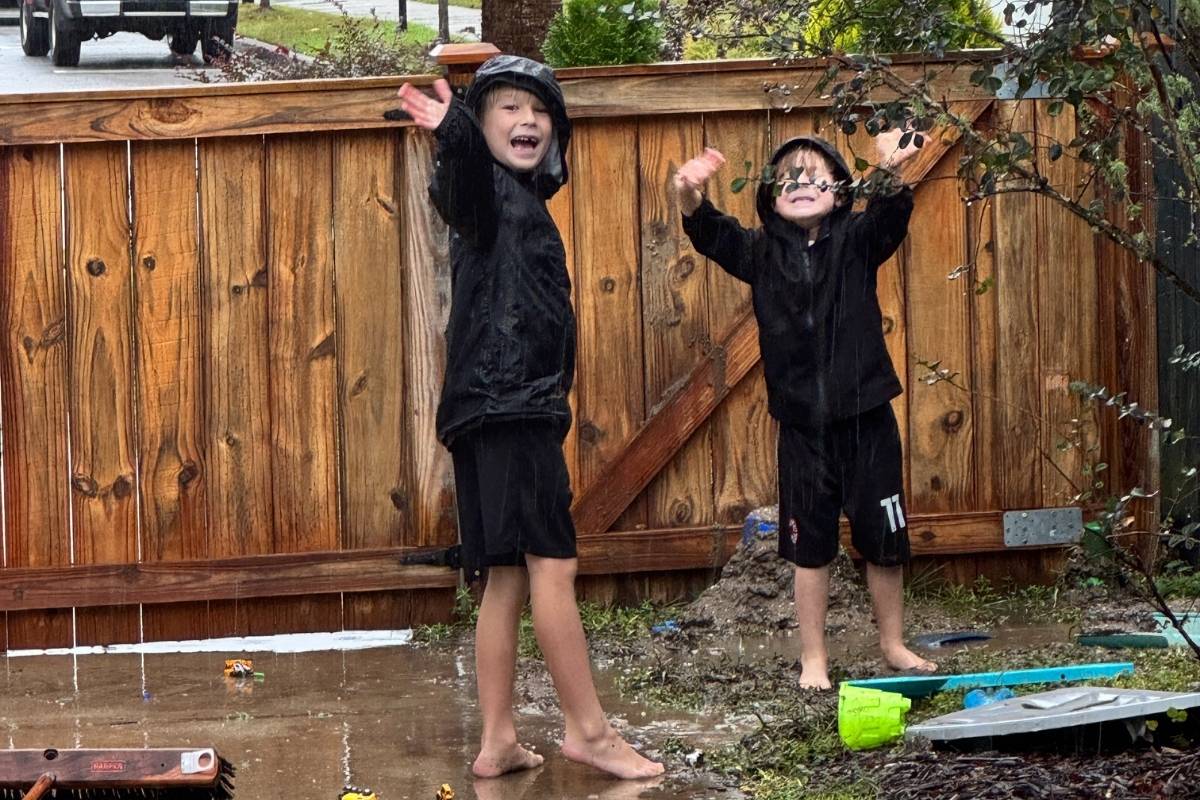
Say YES more: Yes to puddles. Yes to another “dada look!” Yes to being silly.
Dad tip: You don’t have to be perfect. You just have to join the mess.
Little Kid Phase (3–5 years): The Golden Age of Imagination
What bonding looks like: Pretend play, rituals, and shared routines.
They’ve got big feelings, big imaginations, and they still think you’re the coolest person on earth. Use that.
Try this:
-
Get into character: If you’re the dragon, be the dragon. Don’t half-commit.
-
Create rituals: Saturday pancakes. Post-bath dance parties. Grocery store missions.
-
Let them choose: Give two options for dad time: Park or backyard? Trains or paint?
-
Be on their team: Help them navigate “firsts” (first soccer game, first playdate) without overdoing it.
Dad tip: These are the moments they’ll ask you about when they’re grown. Build the memories now.
Big Kid Phase (6–9 years): The “Watch This” Era
What bonding looks like: Shared interests, solo adventures, and showing up (again and again).
They’re forming opinions. Trying new stuff. And yes — they still want you around, even if they act cool about it.
Try this:
-
Go on 1:1 outings: Even a walk to get ice cream turns into connection when it’s just the two of you.
-
Get into their world: Learn a bit about Minecraft, Pokémon, Beyblades — whatever they love.
-
Cheer them on: Celebrate wins, effort, and just showing up. Don’t always coach — sometimes just clap.
-
Let them help you: Fixing something? Packing for a trip? Include them.
Dad tip: Now’s the time to build trust before they hit the eye-roll years.
Tween Phase (10–12+ years): The Pull-Away Years
What bonding looks like: Respecting their space, finding common ground, and keeping the door open.
They’re more independent now: but they’re still watching. Still listening. Still need you.
Try this:
-
Learn side-by-side: Build something together. Learn a new hobby. Share a project.
-
Ask real questions: Skip “how was your day?” Try “what made you laugh today?” or “what was hard?”
-
Say less, listen more: Sometimes they just need you in the room — not fixing, not teaching, just present.
-
Be the constant: As everything changes around them (school, friends, bodies), be the steady one.
Dad tip: They might not say it, but your presence is grounding them more than you know.
Final Thought:
Bonding doesn’t mean big gestures. It means being there when it’s boring, messy, or beautiful.
It’s built in the car rides, the bedtime books, the post-soccer snack stops. Keep showing up. Keep saying yes. Keep being the dad they’ll always know had their back.
Let’s clear something up real quick: modern fatherhood doesn’t come with a rulebook. There’s no blueprint. No one hands you a checklist when you walk out of the hospital with a baby carrier and that “what now?” look on your face.
And yet, every day you show up. You try. You adjust. You grow.
But if you’re like most dads we talk to, you still wonder:
Am I doing enough? Am I doing it right? Am I screwing this up? Here’s the truth: the fact that you’re even asking those questions puts you ahead of the game. And to prove it, here are 10 signs you’re actually crushing the dad game, even if it doesn’t always feel like it.
1. You Show Up, Consistently
Not just physically, but emotionally too. You’re at the soccer game, sure, but you’re also at the dinner table without your phone, in the passenger seat during driving lessons, in the trenches during toddler tantrums.
Showing up doesn’t mean you have to be perfect. It means you’re there when it matters. The data backs it up, too. Kids with actively involved dads have better social, academic, and emotional outcomes. Even if you’re just the guy who builds Legos on the living room floor while answering work emails, you’re there. And that’s huge.
2. You Apologize When You Mess Up
Remember the old-school version of fatherhood where dads never said sorry? Yeah, we’re not doing that anymore.
Modern dads know that modeling humility is way more powerful than pretending to have it all together. You lose your cool, you say something you regret, then you circle back and make it right.
That simple act teaches your kids that mistakes aren’t fatal. They’re fixable. And that it’s safe to own them.

3. You’re Present (Even When You’re Wiped)
You’ve had a long day. Emails, deadlines, traffic, bills. But when your kid asks you to read the same book again or show you their Minecraft world for the 17th time…you say yes.
You engage. Even if it’s brief.
Presence doesn’t mean hours of undivided attention. It means being all there, even for five minutes, when they need you. Quality > quantity.
And yes, it’s hard. But you do it anyway. Because you know those moments, the ones that feel small, are actually the ones that matter most.
4. You Make Them Laugh
Laughter is a parenting superpower. Whether it’s corny dad jokes, funny faces, or your total inability to dance on beat, your kids love it.
If your child associates you with joy, you’ve already won. Because being silly together builds connection. And connection is what carries you through the tough stuff.
So go ahead and embrace the cringe. Be the dad who makes up bedtime raps or does voices for every stuffed animal. You’re not embarrassing them. You’re building memories.
5. You’re Doing the Work (Even If It’s Not Obvious)
You’re learning how to regulate your own emotions better. You’re trying to get in shape. You’re setting boundaries. You’re reading books. You’re listening to podcasts. You’re asking for feedback.
That inner work? It’s invisible to most people, but it makes a visible difference in your home.
You’re growing, not coasting.
And your kids will grow up thinking that’s normal, which is the ultimate win.
6. You Set Boundaries — and Stick to Them
Yes, being a great dad means being available. But it also means saying no to extra work that pulls you away too often, to unnecessary distractions, to things that don’t align with the kind of life you’re building.
Maybe you’ve said no to the late-night scroll and yes to board games. Or no to another drink and yes to the morning walk with your kid.
Boundaries aren’t barriers; they’re guardrails. They help you protect the time, energy, and attention your family deserves.
7. You’ve Started Little Traditions
Whether it’s pizza night, pancake Sundays, or a “secret handshake” before school — the tiny traditions you start now will echo for decades.
You might not think they matter, but kids crave that sense of rhythm and ritual. It grounds them.
You don’t need to plan extravagant trips or life-changing adventures. Just do something consistently and give it a name. That’s all it takes.
8. You’re a Safe Place
Here’s a simple test:
When your kid is scared, hurt, or unsure… do they come to you?
Not because you always have the perfect advice. But because they feel safe. Because they trust that you’ll listen. Because they know they’re loved, no matter what.
If yes, then stop doubting yourself: you’re already the dad they need.
9. You’re Not Afraid to Ask for Help
Whether it’s Googling a rash, texting a buddy for advice, or joining a community like ours, you’ve realized you don’t need to figure it all out alone.
That’s not weakness. That’s wisdom.
And honestly, it’s one of the most underrated parts of modern fatherhood: being vulnerable enough to say, “I don’t know — but I want to learn.”
10. You Still Wonder If You’re Doing Enough
This might be the clearest sign of all.
The dads who don’t care? They don’t think twice.
But the fact that you’re reading this? That you question, worry, and wonder if you’re doing a good job?
That’s proof that you are.
Because fatherhood isn’t about having all the answers. It’s about showing up, messing up, growing up, and loving hard.
And if that’s what you’re doing, you’re not just crushing it.
You’re building something that lasts.
Forget the Instagram highlight reels. Forget what your dad or your buddy or the parenting “expert” on TikTok says.
If you’re trying, like really trying to be the kind of dad your kids can count on?
You’re already ahead of the game.
Keep going. They’re watching.
Forgetfulness? Mood swings? That’s not burnout, it’s biology.
If you’ve been walking into rooms and forgetting why you’re there, or tearing up at car commercials, congratulations: your brain’s doing a full system upgrade.
According to research highlighted by Arnold’s Pump Club, becoming a dad literally reshapes your brain. First-time fathers experience a small decrease in gray matter; the brain regions tied to empathy, motivation, and social awareness.
Sounds scary? It’s not. It’s evolution at work.
What Happens to a Dad’s Brain
Scientists call it neuroplasticity, the brain’s ability to adapt and rewire. When you become a father, your neural network reorganizes itself to help you tune in to your child’s needs.
Think of it like pruning a tree. You’re not losing branches — you’re removing the dead ones so the healthy parts can grow stronger.
That “gray matter drop” isn’t a downgrade. It’s a focus upgrade.
Your brain is literally saying: Forget trivia. Remember your kid’s cry.
The Science of “Dad Focus”
A 2022 study in Cerebral Cortex found that new fathers showed structural brain changes in regions related to empathy, planning, and emotion regulation — the same systems that help you stay calm when your toddler paints the dog.
Other studies show that dads who spend more time with their babies develop stronger connections in areas that process reward and motivation. Translation: the more involved you are, the more your brain wants to be involved.
Why It Matters
Modern dads are carrying more mental load than ever — career, family, health, bills, a fantasy football team on life support. It’s easy to mistake mental fatigue for failure.
But this isn’t burnout.
This is your brain remodeling itself for empathy, focus, and protection.
The “dad fog” is actually your body shifting gears for fatherhood.
You’re not broken — you’re upgrading to Dad 2.0.
How to Support Your New Dad Brain
Here’s how to keep your rewired hardware running smooth:
-
Sleep when you can. Lack of rest can short-circuit those new neural pathways.
-
Move your body. Exercise boosts dopamine and helps regulate mood.
-
Stay connected. Talk to your partner, your buddies, your dad. Social support literally reinforces brain growth.
-
Embrace the shift. You’re not “losing” yourself — you’re expanding who you are.
The Bottom Line
If you’ve been feeling a little different lately — more emotional, more focused on your kid, less interested in the noise — that’s not a midlife crisis.
That’s your biology doing its best work.
Your brain’s trimming distractions and locking in on what matters most: raising a human.
Welcome to the best version of yourself — the dad-shaped one.
Credit: Research highlighted by Arnold’s Pump Club