
There’s a version of your kid you’ve never met.
Not the one at the dinner table negotiating screen time. Not the one in the backseat of the minivan refereeing a sibling argument. Not the one performing for the whole family at a holiday gathering.
The one who only shows up when it’s just the two of you. Somewhere new. No agenda. No audience.
That version of your kid is worth knowing. And a solo trip is one of the fastest ways to find them.
This isn’t a new idea. But the research behind it is getting hard to ignore. And the dads who’ve done it, whether it’s a weekend camping trip with a six-year-old or a flight to somewhere meaningful with a teenager, consistently describe it as one of the best things they’ve ever done as a father.
Here’s everything you need to know.
What the Research Actually Says
One-on-one parent-child travel is officially a trend. The 2025 Hilton Trends Report found that 70% of parents of Gen Alpha kids are actively planning one-on-one travel with their children, involving them directly in destination and itinerary decisions.
But beyond the trend, the science behind why it works is solid.
Dr. Julie Cederbaum, an associate professor at USC whose work focuses on child and adolescent wellbeing, puts it plainly: “One-on-one travel, in particular, really allows for focused time with and attention to that child, increasing attachment and creating shared positive memories.”
University of Oxford research found that daughters with strong bonds to their fathers are significantly more likely to have healthier relationships with partners later in life.
University of Minnesota research confirmed that shared experiences like travel create lasting memories and strengthen emotional bonds in ways that routine daily interaction simply cannot replicate.
And on the father side?
Studies consistently show that dads benefit too. Lower stress. Higher sense of purpose. A clearer picture of who their kid actually is outside of the family system.
The mechanism isn’t complicated. When it’s just the two of you, the dynamic changes completely. There’s no partner to defer to, no siblings competing for attention, no household logistics pulling focus.
It’s just you and your kid, figuring it out together. That specific combination of shared challenge, undivided attention, and new environment accelerates bonding faster than almost anything else you can do.

Why These Trips Hit Different Than Family Vacations
Family vacations are great. We’re not arguing against them.
But here’s what happens on a family trip. You manage logistics. You negotiate between competing preferences. Someone is always tired or hungry at the wrong time. The adults end up coordinating more than connecting. The kids orbit around the family unit instead of stepping into their own.
A one-on-one trip removes all of that.
Your kid gets your full attention for the entire trip. Not shared attention. Not divided attention. Yours.
And something happens when a child realizes they have a parent entirely to themselves in a new place. They open up. They get curious. They say things they wouldn’t say at home.
One father who took his daughter to Bergen, Norway described it this way: his daughter’s confidence acted as an icebreaker, and they interacted with far more people than he would have if traveling alone. The trip changed how he saw her. And it changed how she saw herself with him.
That’s the thing nobody tells you before the first one. You don’t just learn more about your kid. You become someone different to them.
The Age-by-Age Guide
Toddlers and Early Kids (Ages 3 to 5): Keep It Close, Make It Magic
The first solo trip doesn’t need to be ambitious. At this age the magic is entirely in the fact that it’s just you two.
A one-night stay at a hotel with a pool. A train ride to a nearby city. A camping trip an hour from home. The destination is almost irrelevant. What matters is that you planned something just for them, you’re giving them your complete attention, and they get to stay up a little later than normal because the rules are different when it’s just Dad.
At this age kids are deeply present. They don’t need itineraries. They need you on the floor with them, letting them take the lead on what they want to explore next.
Keep it short. One or two nights maximum. Don’t overschedule. Build in downtime. And bring snacks. Always bring more snacks than you think you need.
What this trip does: Establishes the pattern early. Creates a reference point your kid will remember and ask to repeat. Builds trust and security in a novel environment with you as the anchor.
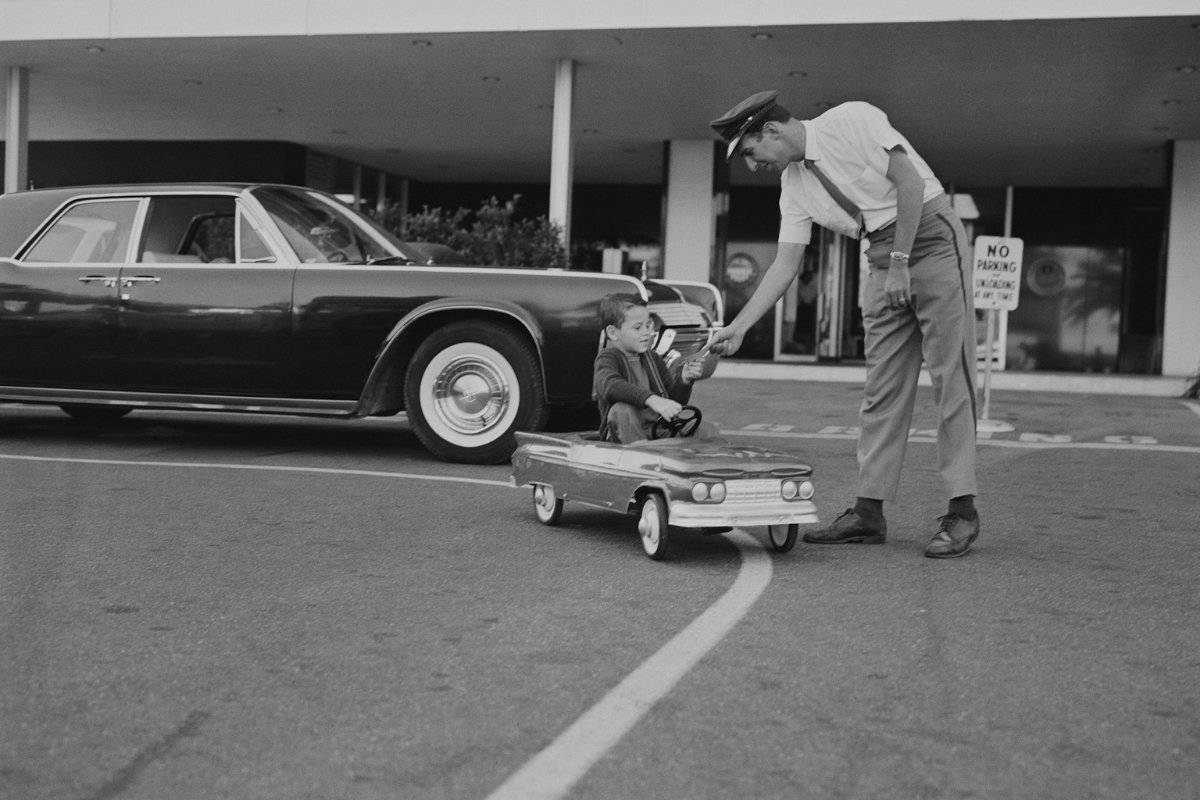
Elementary Age (Ages 6 to 9): The Sweet Spot
This is the golden era for dad-kid trips.
Kids this age are old enough to engage with new experiences, form real memories, and participate in the planning. They’re young enough to still be fully amazed by things. They haven’t hit the self-conscious years yet. They want to be with you.
This is the age to go somewhere that genuinely means something. A national park. A city with history they’re learning about. A sporting event for a team they love. A fishing trip. A road trip to somewhere neither of you has been.
Involve them in the planning. Ask where they want to go. Give them two or three realistic options and let them choose. Research shows these trips are enhanced specifically by the fact that kids have been involved in the planning. Ownership of the decision increases investment in the experience.
Give them a job on the trip. Navigator. Photographer. Chief snack manager. Kids this age thrive when they have a role.
Keep the schedule loose enough that you can follow their energy. If they want to spend three hours at one thing, let them. You’re not running a tour. You’re building a memory.
What this trip does: Creates some of the most vivid shared memories of their childhood. Builds confidence through navigating new environments with you. Starts a tradition they’ll want to continue as they get older.
Preteens (Ages 10 to 12): Go Somewhere That Challenges You Both
Something shifts around age ten.
Your kid is becoming a person. They have opinions, interests, and an emerging identity that’s separating from the family unit. They’re starting to care what their peers think. The window of easy access to them is narrowing.
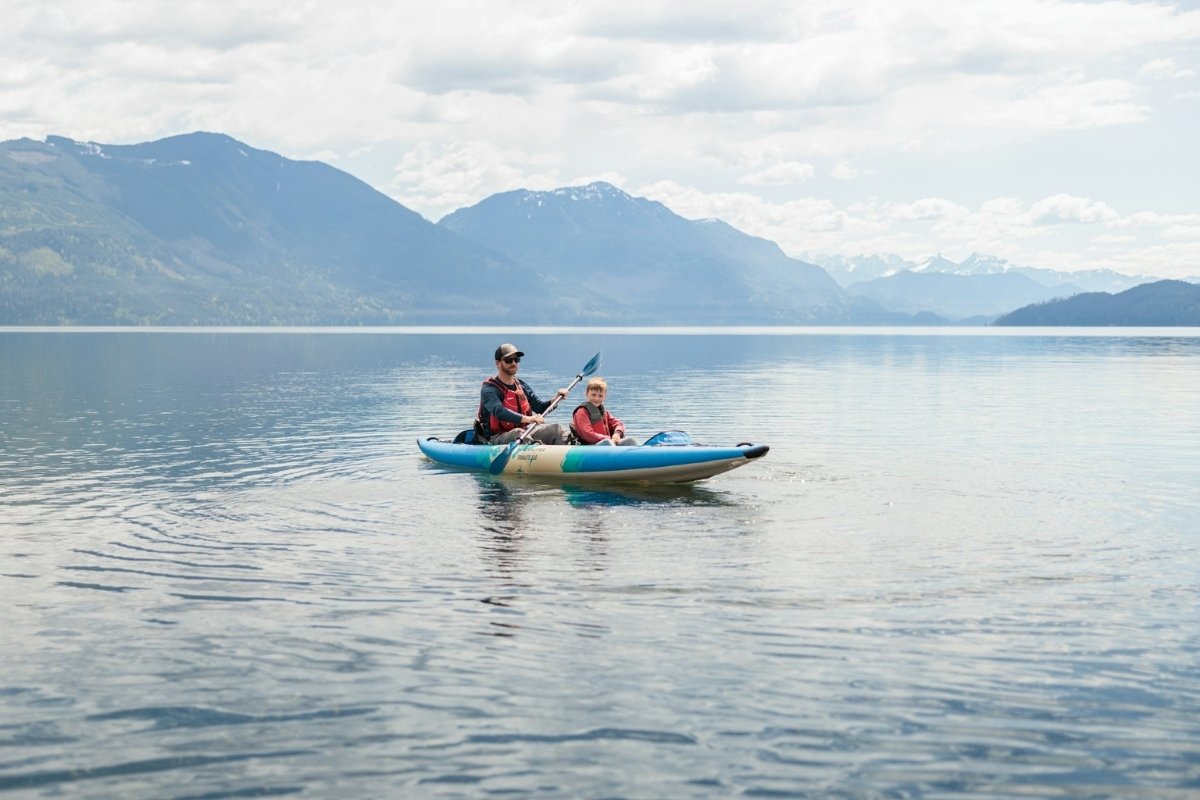
This is the age to go somewhere that challenges you both. Not just a nice trip. An experience. A hiking trip with real elevation. A city in another country. A multi-day canoe trip. Something that puts both of you outside your comfort zones and gives you something to work through together.
Shared challenge is one of the most powerful bonding mechanisms that exists. When you and your kid are both a little uncertain, a little tired, figuring out something hard together, the relationship changes. They see you as a person, not just a parent. And they discover something about themselves they couldn’t have found in a comfortable environment.
Let them carry real responsibility on this trip. Let them navigate. Let them make some of the calls.
If something goes sideways, work through it together instead of fixing it for them. That’s where the real growth lives.
What this trip does: Deepens the relationship before the teenage years hit. Gives your kid a reference point for their own capability. Creates the kind of shared story that gets retold for decades.
Teenagers (Ages 13 to 17): This One Matters More Than You Think
A lot of dads back off during the teenage years. Kids get busy. They want their independence. It feels awkward to push for connection when the kid seems to be pushing back.
Don’t back off.
The research on father-teen relationships is consistent: teens who maintain strong bonds with their fathers show better outcomes across nearly every measure. Mental health. Academic performance. Resistance to negative peer pressure. Confidence in relationships.
And here’s what we know from talking to dads who’ve done it: the teenage years are when these trips mean the most, even when the kid acts like they don’t care.
They care.
Take them somewhere they’ve expressed genuine interest in. A city with a music scene they’re into. A country they’ve been curious about. A sporting or cultural event. Something you can both get genuinely excited about.
Drop the agenda on this one. Don’t use the trip as a vehicle for the conversations you’ve been wanting to have. Just be with them. Let the trip be the trip. The conversations will happen on their own when you’re in the right environment and neither of you is performing for anyone.
Some of the most important things a dad ever hears from his kid happen in a car, or at dinner in an unfamiliar city, or on a hike when there’s nothing else to fill the silence. Create those conditions and then let it unfold.
What this trip does: Keeps the connection alive through the hardest years. Signals to your teenager that they’re worth your individual time and attention. Creates a foundation for the adult relationship you’re going to have with them in a few years.
Join the Family


How to Actually Make It Happen
The biggest reason dads don’t do this isn’t motivation. It’s logistics. Here’s how to remove that excuse.
Pick a date before you pick a destination. Put it on the calendar first. An open “someday” trip never happens. A booked flight does.
- Start smaller than you think you need to. The first one doesn’t need to be ambitious. One night somewhere nearby. A day trip to a place they’ve been wanting to go. The point is to establish the pattern. The trips can get bigger as the tradition grows.
- Involve your kid in the planning from the start. Send them a text with two options and ask which one they want. Show them the map. Let them pick the restaurant for one dinner. Ownership creates anticipation.
- Protect it. Work will try to take this day. Something will come up. Protect it like you’d protect a client meeting. Your kid noticed you put it on the calendar. They will also notice if you cancel it.
Aim for at least once a year per kid. It doesn’t have to be exotic. It doesn’t have to be expensive. It just has to be intentional. One trip a year, solo with each kid, is one of the highest-return investments you can make in your relationship with them.
The Thing Nobody Says Out Loud
You are going to be a different dad on these trips.
Without the daily logistics, without the other kids, without the full household running in the background, you’ll find yourself more patient. More present. More genuinely curious about the kid sitting across from you.
And they will feel it.
“The dedicated time to just be together truly deepens the parent-child bond,” as one researcher put it. That’s a clinical way of saying something every dad who’s done this already knows.
You learn things about your kid on a solo trip that years of daily life never surfaces. What they’re actually thinking about. What they’re scared of. What they’re proud of. What they want. Who they’re becoming.
That knowledge changes how you parent them when you get home. It changes how you see them. And it changes how they see you.
Book the trip.
Nobody warned us that flying with kids is basically a different sport than flying alone.
Same airport. Same plane. Completely different experience. When you travel solo you show up 45 minutes before, breeeze through security, grab a coffee, and board. When you travel with a two-year-old you show up two hours early, sweat through security, lose a pacifier somewhere near the TSA bin, and board last because you were in the bathroom.
But here’s the thing.
Flying with kids is absolutely doable. We’ve done it across every age and stage. And the dads who struggle aren’t underprepared. They’re just not prepared for the right things.
This guide covers everything. From flying with a newborn to managing a seven-year-old on a four-hour flight. Real tips, real gear, and zero sugarcoating.
Before We Get Into It: The Right Mindset
Lower your expectations by about 40% and raise your patience by the same amount.
The goal of flying with kids is not a perfect flight. It’s a successful one. Those are different things. A successful flight means you land at your destination with your kids and your sanity mostly intact. Nobody has to be happy about it the whole time.
Dads who go in expecting the worst-case scenario and plan around it consistently have better flights than dads who hope for the best and bring two snacks.
Plan for chaos. Anything better than that is a win.
Booking Smart: Where Most Dads Leave Points on the Table
Book direct whenever possible. Every connection is a new opportunity for something to go wrong. A missed connection with a baby is a nightmare. With a toddler it’s a crisis. With a school-aged kid it’s just a really bad day. Direct flights are almost always worth the extra cost when kids are involved.
Book early morning flights. Planes that fly the first departure of the day are almost always already at the airport from the night before. That means significantly fewer delays. Early morning also means kids haven’t fully ramped up yet, airports are less crowded, and security lines move faster. Yes, 5:30am is brutal. It’s still the right call.
Buy the seat. Under two, kids can fly free as lap infants on domestic flights. The FAA recommends against it and we agree. It’s safer and honestly less exhausting for you to have the kid in their own seat with a car seat or CARES harness. If budget is tight and the flight is short, a lap infant is manageable. For anything over two hours, buy the seat.
Consider the seat assignment carefully. More on this below but book your seats immediately. Don’t let the airline assign them at check-in. You will end up in a middle seat next to a stranger with a three-year-old and no overhead bin space.
Seat Selection: The Seats That Actually Work for Families
For babies and infants: the bulkhead row. The bulkhead is the row directly behind a wall or divider. On most long-haul international flights, bassinets attach to the bulkhead wall and let your baby sleep flat. Even if you’re not on a bassinet-eligible flight, the bulkhead gives you more legroom and space to maneuver. The downside: no seat pocket in front of you and bags go overhead before takeoff. Pack accordingly.
For toddlers: bulkhead or aisle. Toddlers move. Constantly. An aisle seat gives you the ability to stand up, bounce, walk the aisle, and make emergency bathroom runs without climbing over strangers. The bulkhead works here too for the extra space. Avoid window seats with toddlers unless your kid is unusually calm. The novelty of the window lasts about four minutes.
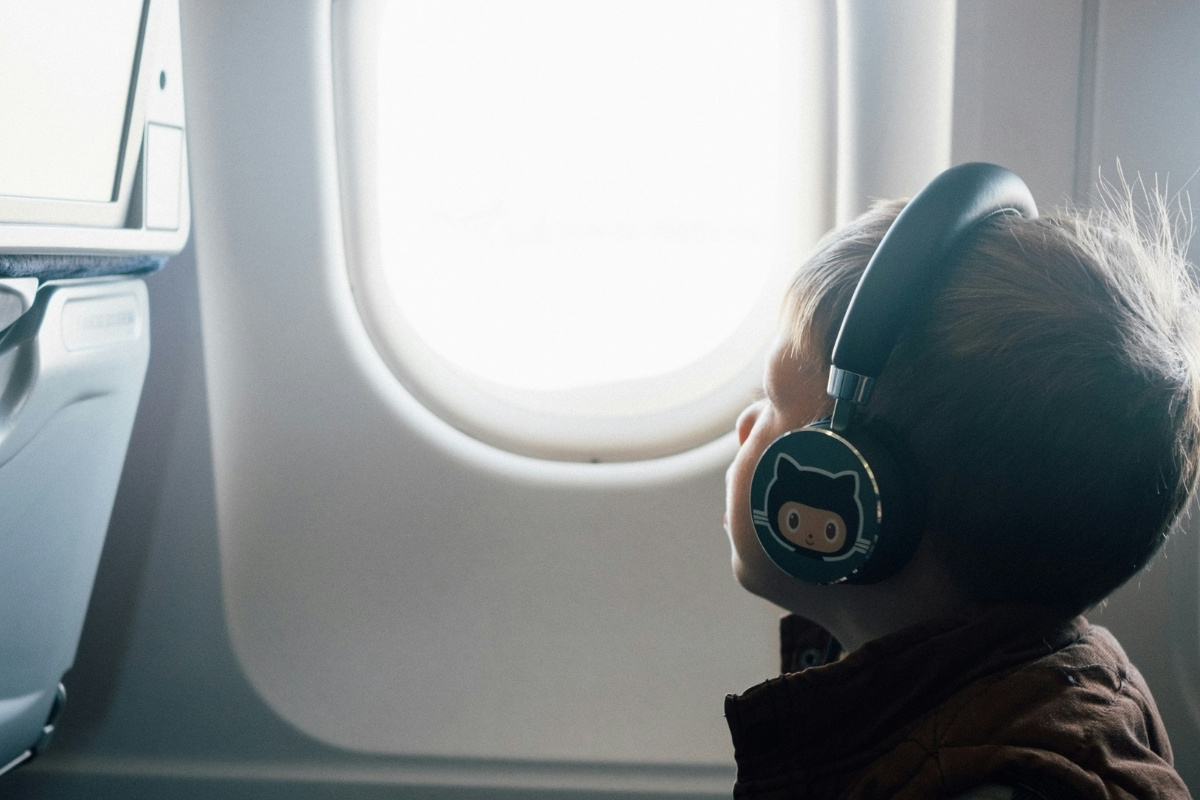
For preschoolers and big kids: window seat for them, aisle for you. At this age kids want the window. Give it to them. You take the aisle. Middle seat goes to mom, another adult, or your least favorite travel companion. This setup lets you manage everything from the aisle while keeping the kid entertained with the view.
General rules: Never book exit rows with kids. Nobody under 15 can sit there and a flight attendant will move you, no exceptions. Avoid the last rows near the galley or bathrooms. Yes they sometimes have extra space. No the noise and smell are not worth it. Aim for the front third of the plane where possible. Shorter walk to the bathroom, faster boarding, faster exit.
TSA With Kids: How to Get Through Without Losing Your Mind
Security with kids is where most family travel falls apart. Here’s how to make it fast.
- Prep before you get to the line. Everything that needs to come out of your bag should be accessible before you even approach the belt. Laptops, liquids bag, shoes. Do not be that family doing archaeological digs through a packed stroller bag while the line builds behind you.
- Kids don’t need ID for domestic flights. TSA does not require identification for anyone under 18 on domestic travel. Adults need a REAL ID-compliant license or passport. Kids walk through. This surprises a lot of dads. It never hurts to carry a copy of a birth certificate. Now you know.
- Baby liquids and formula get a pass. Formula, breast milk, and baby food pouches are allowed in quantities beyond the standard 3.4 ounce limit. Declare them at the checkpoint. Keep them separate and easy to grab. TSA may test them. That’s fine and normal.
- Strollers and car seats go through X-ray. They’ll go on the belt. You’ll collapse the stroller, fold it, and send it through. Then you’ll carry your baby through the metal detector. TSA agents are generally decent about helping here if you ask.
- Use TSA PreCheck. If you don’t have it get it. $78 for five years. Shoes stay on. Laptops stay in the bag. Liquids stay packed. With kids this is worth every single cent. Kids under 12 can use the PreCheck lane with an enrolled parent.
- Give yourself more time than you think you need. Whatever you think security will take, double it. Then add 15 minutes for the bathroom trip that will inevitably happen right as you reach the front of the line.
Join the Family
Flying With a Baby (0 to 12 Months)
Counterintuitive truth: babies are the easiest age to fly with.
They can’t walk away. They don’t have opinions about what movie they want. They don’t kick the seat in front of them on purpose. They either sleep or they don’t. And when they cry, it’s usually fixable.
The ear pressure issue. The biggest baby flying problem is ear pressure during takeoff and landing. Babies can’t equalize pressure the way adults do. The solution is simple: feed them during takeoff and landing. Nursing, bottle, or pacifier. The sucking motion equalizes the pressure. Time your feeding for those windows.
Bring more diapers than you think you need. The general rule is one diaper per hour of travel time, including airport time. Then add two extras. On a four-hour trip that means six diapers minimum. Airplane bathrooms have fold-down changing tables. They’re small and awkward. You’ll manage.
The changing table situation. Not all airplane bathrooms have changing tables. Some are men’s room only. If you need to change a baby and can’t find an available table, let a flight attendant know. They can usually work something out. Don’t change a baby in your seat. For everyone’s sake.
Bring a carrier. A soft carrier or wrap is one of the best baby travel tools there is. Keeps them close, keeps your hands free, and the motion and warmth tend to knock them out faster than anything else. TSA will ask you to take them out for the scanner. Once you’re through, back in.
Book a bassinet seat on long international flights. If you’re flying internationally with a baby, call the airline and request a bassinet seat when you book. These seats are limited and go fast. The bassinet clips to the bulkhead wall and gives your baby a place to lie flat. Game changer on anything over four hours.
Flying With a Toddler (1 to 3 Years)
Okay. This is the one.
Toddlers are the hardest age to fly with. No debate. They’re mobile, opinionated, loud, unpredictable, and not yet old enough to reason with. They also don’t understand why they have to sit still for two hours when they could be running.
Accept this. Plan around it.
- Buy the seat and bring the car seat. At this age a car seat in their own seat is not just safer, it’s your best management tool. A toddler strapped into their car seat in a familiar restraint tends to do better than a toddler on a lap with no boundaries. The FAA recommends this. We agree.
- If you don’t want to lug a full car seat through the airport, the CARES harness is an FAA-approved alternative that weighs one pound and works with kids 22 to 44 pounds. Worth every dollar for the travel convenience.
- The Wayb Pico is the best travel car seat. If you want an actual car seat that works on planes, the Wayb Pico is the current gold standard. Folds flat, fits in an overhead bin, weighs 8 pounds, and is fully FAA-approved. Expensive but worth it for families who fly regularly with young kids.
Pack activities in layers. Don’t put all your entertainment in at once. Reveal things slowly. A sticker book. Then some snacks. Then a small figurine they haven’t seen. Then the tablet. Spacing out the novelty is the key. If you hand over the iPad at takeoff you have nothing left for the descent.
Snacks are currency. Pack more snacks than you think is reasonable. Not sugary snacks that will send them into orbit. Familiar, filling snacks they actually like. Snacks extend the calm period. When the snacks run out, things get harder.
Walk the aisle. When it gets bad, walk. Most flight attendants are fine with a toddler walk-about in the galley area during cruise. Ask nicely, be quick, and don’t make it a habit. But that five-minute walk can buy you another 20 minutes of relative peace back in the seat.
Tablets loaded before you leave the house. Download everything before you get on the plane. Do not rely on in-flight wifi. It will be slow, expensive, or unavailable. Netflix, Disney Plus, and most streaming apps have download options. Use them. Headphones too. Kid headphones with volume limiting are worth it. Puro Sound Labs and Onanoff BuddyPhones are solid options.
The meltdown will happen. Here’s what to do. Stay calm. The more stressed you get, the worse it gets. Offer something new, a snack, a new toy, a walk. If nothing works, just ride it out. It ends. Every parent on that plane either has kids or had them. Most people are feeling empathy, not judgment. The ones who aren’t don’t matter.
Flying With Big Kids (5 to 8 Years)
By this age flying is actually pretty fun.
They’re excited about it. They can handle the full experience. They can manage their own bag. They can watch a movie start to finish. They can sleep on longer flights. They understand directions.
Your main jobs at this age are keeping them fed, keeping them entertained, and making sure they’re not kicking the seat in front of them.
Download their content specifically. Don’t just hand them a tablet and hope for the best. Sit down with them the night before and download what they actually want to watch. Let them be part of it. This creates anticipation and makes them more invested in the flight.
Give them a window seat and a job. At this age being in charge of something matters. Let them be the official altitude announcer when the pilot comes on. Let them keep track of the flight map. Give them a small task. Kids who feel trusted behave better.
Bring headphones that actually fit. Adult headphones are too big. The ones that come with the iPad are too small and fall out. A decent pair of kid-sized headphones makes a four-hour flight significantly more pleasant for everyone. Volume-limiting ones protect their ears. Puro Sound Labs BT2200 are our pick.
Talk to them about airplane etiquette. No kicking the seat in front. Inside voices. Headphones when watching anything. Respect for the people around them. This is genuinely a good teaching moment and most kids this age take it seriously when you frame it as grown-up responsibility.
The Packing List: What Goes in the Carry-On
For every kid in your travel group, pack:
One full change of clothes for them. One extra shirt for you. At least one diaper per hour plus two extra (if applicable). Snacks for the full travel day plus backup. Headphones. Fully charged tablet with downloaded content. Small new toy or activity they haven’t seen. Wipes. Hand sanitizer. Any medications including children’s Tylenol or Motrin. A gallon bag for any wet or soiled clothes.
For the overhead bin:
A neck pillow for any kid who might sleep. A light blanket or hoodie. The car seat if you’re bringing one.
What to leave home:
Anything you can buy at your destination. Bulky toys. Heavy books. Every single stuffed animal they want to bring. Pick one. One.
The Tips Nobody Puts In Articles
Gate check the stroller. Most airlines gate-check strollers for free. You keep it all the way to the jetway. It’s waiting for you when you land. This is far superior to checking it with your bags where it may arrive at baggage claim damaged or hours later.
Ask about family boarding. Most major airlines offer family boarding between first class and general boarding. Use it. Getting on early means you get the overhead space you need and get settled before the boarding chaos.
Board strategically. One adult boards early with the carry-ons and gets everything situated. The other stays in the terminal with the kids and burns energy until boarding is almost complete. This is the move. Kids who board early and then wait on a plane are harder to manage than kids who board last and sit down immediately.
Feed them during ascent and descent. This handles ear pressure for any age. Gum for older kids. Snacks or a bottle for younger ones. The chewing and swallowing equalizes the pressure. If ears are already hurting, yawning or swallowing helps. For babies, nurse or bottle every time.
Don’t feel like you need to apologize in advance. Some parents make an announcement to the surrounding rows apologizing for their kids before the flight even starts. You don’t need to do this. Your kid has as much right to be on that plane as anyone else. Fly with confidence. Most people are fine.
Bring cash for tips. If a flight attendant goes above and beyond helping you with a tough stretch, a folded bill in a handshake goes a long way. Frank Sinatra called it duking. We call it good manners.
Here’s the deal…
Flying with kids is not easy. But it gets better every single trip. The first flight is the hardest. The second is easier. By the time your kid is six or seven, you’ll look back at the toddler era and barely remember how you did it.
Plan ahead. Lower your expectations. Pack twice as many snacks as you think you need. Give yourself more time than is comfortable at every step.
And when it gets hard at 30,000 feet with a screaming two-year-old and a full diaper and three hours left on the flight, remember this: you are making memories. Even the terrible ones become great stories.