
If you’ve ever sat on the sideline of a Saturday soccer game squinting into the sun wondering why nobody has figured out portable shade yet, Shibumi just answered that question. They make the beach umbrella everyone knows. The Park Vista is what happens when they took that same energy and aimed it at the park, the sideline, the backyard, anywhere that isn’t sand.
We got our hands on one and put it on camera. Watch the full review here.
What it is: a lightweight, compact shade structure you can carry over one shoulder and set up in under two minutes. Full transparency, first time out it took closer to six minutes. Second time? Two minutes, easy.
The footprint is smaller than you’d expect given how much shade it actually throws. Comfortably fits a blanket and five to seven people underneath. We went from full sun to sitting in the shade without moving anywhere. Could’ve stayed there all day.
At $240 it’s not cheap, but it’s the kind of thing you throw in the back of your car and forget about until you need it. Then you’re the dad who had it.
We’re giving it the Dad Day stamp of approval. Worth it.
[Buy the Shibumi Park Vista here]
*Note: if you’re heading to the beach, grab the Shibumi Mini or the Shibumi Shade instead. The Park Vista isn’t built for sand.*
Pull-up bars are one of those things where you either buy cheap and regret it, or buy right once. We put the Bullbar 2.0 in our office and haven’t looked back. Here’s the honest take.
What It Actually Is
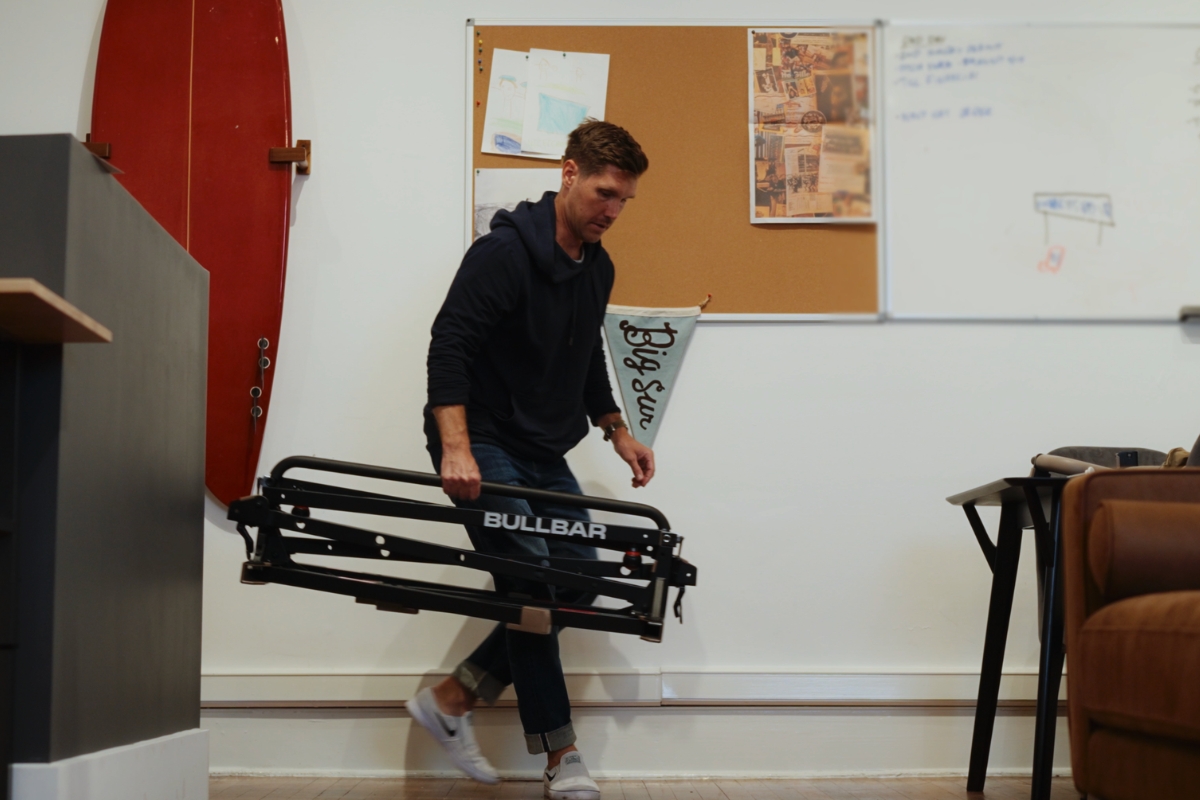
The Bullbar 2.0 is a freestanding pull-up and dip station. No drilling, no assembly, no bolting into a wall you don’t own. You unfold it, it locks into place, and you’re ready to go. Setup takes about a minute. Folded, it’s 45 x 13 x 11 inches, which fits a closet, slides under a bed, or rides in your trunk.
400 lb weight rating. 16-gauge industrial steel. Certified by Intertek to ISO 20957-1 and ASTM F2276-23, which are the actual standards for training equipment, not just marketing language.
It’s been featured in Men’s Journal, Muscle & Fitness, and Forbes. 896 reviews averaging 4.8 stars.
The Dip Situation
Most pull-up bars treat dips as an afterthought. A narrow attachment bolted on, or nothing at all.
Bullbar built the dip bars into the frame. Same 400 lb rating. Dip bars taper from 21 to 24 inches apart so you can set your own width depending on whether you’re going chest dips or triceps. Bar height sits at 36 inches off the floor. You finish a set of pull-ups, step down, and dip. Nothing to swap or add.
Beyond Pull-Ups and Dips
The frame also supports inverted rows, push-ups with handles, hanging leg raises, and band work for assisted or resisted variations. It’s a legitimate home gym setup on one frame that disappears into a closet when you’re done.
What We Actually Think
We have ours in the office. It fits, it’s stable, nobody’s questioned it. The dip attachment was the part that actually surprised us because most bars this size don’t pull it off. At 6’9″ standing height on the 2.0 and up to 7’10” on the EXT version, it works in standard ceiling rooms without issue.
In Bullbar’s own owner survey of 193 verified buyers, 80% said the folding feature was the main reason they chose it. Only 18% cited price. People aren’t buying this because it’s cheap. They’re buying it because it actually solves the problem other bars don’t.
For $399 it punches above its weight. Comes with free shipping, a 100-day trial, and a lifetime warranty.
Dad Day stamp of approval.
[Check out Bullbar at bullbarfit.com →]
Watch the full review:
We’re always looking for stuff that isn’t junk.
That’s genuinely the bar. Not educational in a flashy marketing sense. Not a toy that ends up in the corner after 20 minutes. Something that actually holds their attention, makes them think, and doesn’t make us feel like we wasted money on more plastic.
KiwiCo cleared that bar. Here’s what happened.
What We Got
We picked up subscriptions for both boys. Seven and four (almost five).
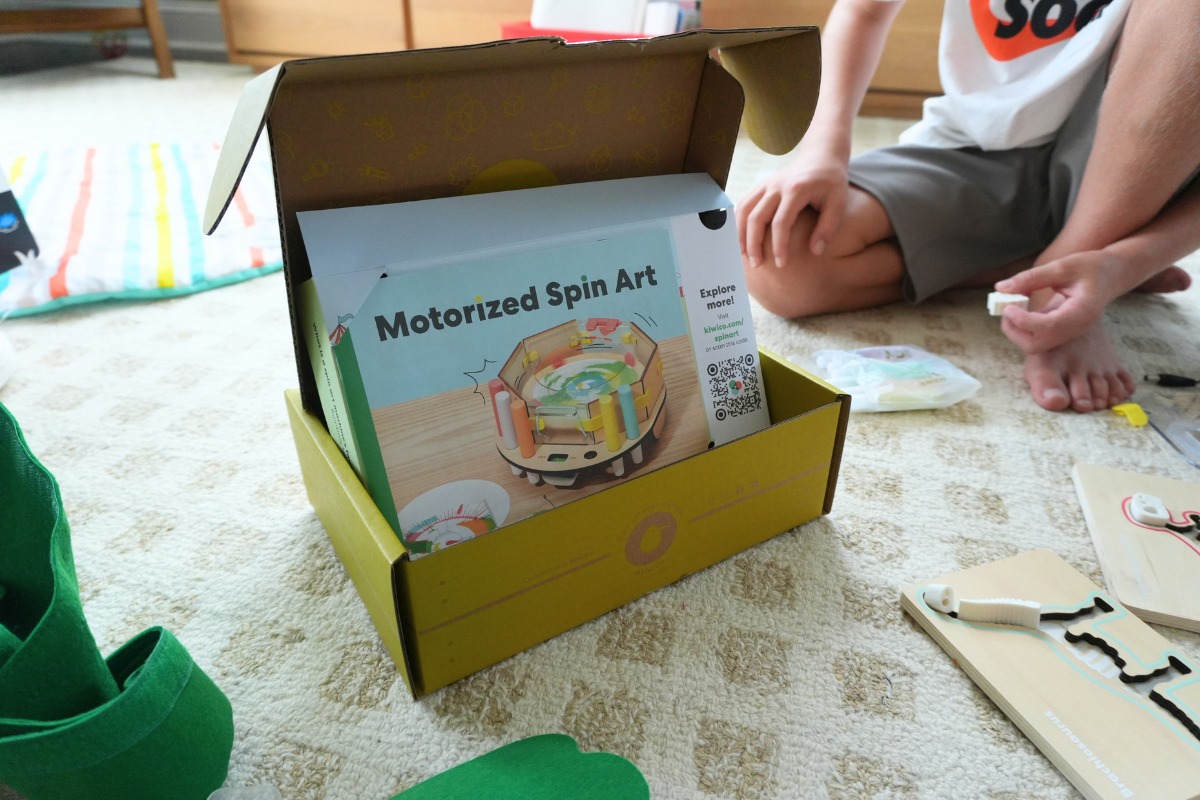
For our four-year-old we went with the Koala Crate, which is the ages 3 to 4 box. He got a dinosaur dig kit where you excavate little figures out of sand. For our seven-year-old we went with the Kiwi Crate, which runs ages 5 to 8. His was the Motorized Spin Art kit. He built the motorized device himself, loaded it up with paint, and let it rip. The result was this kaleidoscope-style artwork he made from scratch. Think spinning, color, and a finished piece he actually created himself.
Both boxes arrived with everything included. No running to the store for supplies, no missing pieces, no printing instructions off the internet. Everything was in there.
How It Actually Went
We handed them the boxes and mostly got out of the way.
That’s the honest version. We weren’t hovering, we weren’t co-piloting, we weren’t saving anyone from frustration every five minutes. They just did it.
Our seven-year-old was locked in. He built the motorized device, figured out the mechanics, loaded it with paint, and came back with this wild swirling piece of art he made himself. It wasn’t a participation trophy project. He built something real, it worked, and the result was genuinely cool. He wanted to show everyone in the house.
Our four-year-old liked his too, though here’s an honest note: if your kid is on the older end of an age bracket or running a little ahead developmentally, size up. We probably should have gone with the 5-to-8 box for him. The dinosaur dig was a little too quick for where he’s at right now. He still enjoyed it, but he was through it faster than we expected. We’ll go up a level on his next one.
That’s not a knock on KiwiCo. That’s just good advice for dads making the call: when in doubt, go up an age bracket. You know your kid.
Why We’re Keeping the Subscription
For $30 a month this is genuinely one of the better line items in the budget.
Think about what $30 normally gets you. A toy that breaks in a week. A game that loses half its pieces. Something with batteries that makes noise for six months straight. Or in this case, a curated box that shows up at the door, keeps the kids occupied for a solid stretch, gives them something they actually made, and sets them up excited for what comes next month.
Both boys are already asking about the next box. That’s the real tell.

What KiwiCo Actually Offers
For dads doing the math on which box to get, here’s the quick breakdown:
Koala Crate (ages 3 to 4): Hands-on learning for preschoolers. Good starting point but size up if your kid skews advanced.
Kiwi Crate (ages 5 to 8): Science, art, and engineering activities. This is the sweet spot for most elementary-age kids and the one we’d recommend most confidently.
Atlas Crate (ages 6 to 11): Geography and culture focus. Each box explores a different country with STEAM projects tied to the theme. Great if your kid is into travel or learning about the world.
Tinker Crate (ages 9 to 14): More advanced STEM. Build and engineering focus for kids who want to go deeper.
Eureka Crate (ages 12 and up): Engineering and design for older kids and teens. This one runs into adult territory, which is actually a nice detail.
Every subscription includes free shipping. Prices range from roughly $17 to $30 per month depending on which crate you pick and whether you go monthly or annual. Annual is obviously the better deal if you’re planning to stick with it, which after this first round, we are.
Our Honest Recommendation
If you’re a dad looking for something different to give your kids that isn’t more junk, KiwiCo is worth it.
It’s not a screen. It’s not passive. It’s something they build with their hands and walk away from with a finished product they made. That combination is increasingly hard to find at any price point, let alone $30 a month.
Our boys loved it. We’re keeping both subscriptions. And next month we’re sizing up the four-year-old.
Check out KiwiCo here and use the age guides to pick the right crate for your kid. Click through our link and you will get 50% off your first box. When in doubt, go one bracket up.
We paid for our KiwiCo subscription ourselves. This post contains an affiliate link. If you sign up through our link, you will get 50% off your first box.
Join the Family


Most guys don’t need more clothes. They need better defaults.
The kind you grab at 7 a.m. without thinking. The kind that still works at 7 p.m. after a full day of real life. School drop-offs. Work. Errands. Dinner. Whatever the day throws at you.
That’s where a great Western shirt and a solid pair of jeans earn their spot. Not as a statement. As a system.
Most clothes aren’t built for real days. Style content loves a fantasy. Perfect lighting. Clean outfits. Zero friction.
No one in those photos is sweating through a long afternoon. No one is chasing a kid around a baseball diamond in 90 degrees. Real life is movement. Your clothes should move with it.
Western wear, at its best, was never like that. It was built for long hours, changing conditions, and repeat use. That DNA still matters. It just looks cleaner now.
The shirt that does more than you think

The Western Pearl Snap is one of the easiest upgrades a guy can make. Built-in character. The snaps. The pockets. The shape. You don’t need to overthink it.
But here’s what most people don’t talk about: the right one works harder than it looks.
Tecovas built theirs with performance fabric that actually earns its place in the rotation. Four-way stretch means you’re not fighting the shirt every time you reach, lift, or wrangle a car seat. Moisture wicking keeps you from feeling like you ran a 5K by noon. And wrinkle resistance means it looks the same at dinner as it did at drop-off.
There’s even a sunglass wipe built into the placket. Sounds small. Comes in clutch more than you’d think.
Works open over a tee. Buttoned up for dinner. Sleeves rolled on a warm afternoon. Layered when it cools off. It carries just enough personality without asking for attention.
This isn’t just a shirt. It’s the one you reach for on autopilot.
→ Shop the shirt here
The case for better denim

A solid pair of jeans is still the most useful thing in your closet. But most pairs force a tradeoff. Too stiff and you feel it by lunch. Too soft and they lose their shape.
The sweet spot is structure plus comfort. A slim straight fit is clean without trying too hard. Works with boots. Works with sneakers. Holds its shape but still moves.
Tecovas built their denim with that balance in mind — stretch that moves with you through a full day without bagging out by noon.
→ Shop the denim here
Built for the life you actually live
Once you have kids, your clothes need a new skill set. Coffee spills. Long drives. Weather shifts. Sitting on tiny chairs at school events.
You stop dressing for the mirror. You start dressing for durability.
A strong shirt and denim combo covers almost everything without needing a second outfit. Wear it to work. Wear it to dinner. Wear it all weekend. And you still look like you tried.
→ Shop the full Tecovas collection here
There’s a version of you that used to just go. Throw a pack together on a Friday, drive until the pavement ran out, sleep under something that wasn’t a roof.
That guy still exists. He just needs a different gear list now.
Camping with young kids isn’t harder than camping solo. It’s harder. The problems aren’t physical. They’re logistical. The wrong tent means no sleep. The wrong sleeping bag means a miserable kid at 2 am. The wrong stove means cold hot dogs while your four-year-old decides the whole outdoors thing was your idea and she’s done with it.
This is a gear guide for camping with young kids, specifically the 10 items that make or break a first family camping trip. Every pick has a best version and a budget version, because the goal is getting out there, not waiting until you can afford the premium kit.
Get the gear right and most of those problems disappear. Here’s what we actually use.
The goal for the first trip is not adventure. The goal is that everyone wants to go back. That changes everything about how you gear up.
One note before the list: start with one night, a flat campsite twenty minutes from the car, and a hike under two miles. The gear below supports that. Scale up from there once everyone’s bought in.

01 — Best Family Camping Tent
Why It Matters
Whatever size you think you need, go one up. Two adults and one kid in a two-person tent is a math problem that doesn’t work. You need room to actually exist. Gear, kids, and all. Freestanding setup matters more than you think when a four-year-old is actively trying to help. Weather-worthy enough to handle a surprise rainstorm without drama.
Best Pick
Marmot Limestone 4 Tent at Backcountry · ~$429
Four-season-ready aluminum poles, color-coded clips so setup is fast, and vertical walls that actually give you headroom to move around. This is the tent you buy once and stop thinking about.
Budget Pick
Ozark Trail 4 Person Family Instant Cabin Tent at Walmart · ~$119
Punches well above its price point. Waterproof, roomy, easy to pitch. It’s not sexy but it’s not going to let rain in at midnight either.

02 — Best Kids Sleeping Bag for Camping
Why It Matters
A cold kid at midnight shuts the whole trip down. Buy a bag rated 15 to 20 degrees colder than the lowest temp you expect. Kids sleep cold and they won’t tell you until they’re already miserable. You want real margin, not theoretical margin.
Best Pick
Big Agnes Little Red 15°F Kids’ Sleeping Bag at Backcountry · ~$100
Built like an adult bag scaled down. Mummy cut, insulated hood, quality synthetic fill that handles moisture. Rated 15°F means you’ve got serious buffer on a cold spring night. This is the bag that won’t let you down at 2am.
Budget Pick
Firefly! Outdoor Gear Youth Sleeping Bag at Walmart · ~$40
Machine washable, sized for kids up to 5 feet, and cheap enough that you don’t panic when it ends up muddy. Not a cold-weather bag. Pair it with a liner if temps drop below 40°F. For three-season campground use, it does the job.

03 — Best Sleeping Pad for Car Camping
Why It Matters
Don’t bring your ultralight backpacking pad to a car camping trip. You’re not saving any weight that matters. Your back after 40 has opinions about the ground that your back at 25 did not. Go thick. Go comfortable. Nobody’s judging you at the trailhead.
Best Pick
Sea to Summit Comfort Deluxe SI Sleeping Pad at Backcountry · ~$300
Four inches of self-inflating foam that comes close to sleeping on an actual mattress. Self-inflating means you open the valve and walk away. The closest thing to your bed that fits in a stuff sack.
Budget Pick
Ozark Trail Self-Inflating Camp Pad with Pillow at Walmart · ~$30
Two inches thick, self-inflating, comes with a built-in pillow. It’s not the Comfort Deluxe, but it’s a thousand times better than sleeping on bare ground. For a campground trip where you’re parked twenty feet from the car, it gets the job done.

04 — Best Camp Stove for Families
Why It Matters
You don’t need the three-burner monster with the side table and the propane regulator the size of a small appliance. You need something that boils water fast, runs on fuel you can grab at any gas station, and doesn’t require a manual when you’ve had four hours of sleep and a kid demanding oatmeal.
Best Pick
Coleman Cascade 222 Stove at Backcountry · ~$230
Two burners, removable pan supports, and a design that packs flat. Run them independently: boil water on one side, build something worth eating on the other. Pan supports lift out when dinner’s done. This is the stove for people tired of one-pot meals.
Budget Pick
Coleman Matchlight 2-Burner Propane Camp Stove at Walmart · ~$70
Coleman has been making this stove in various forms since before your dad was camping. It works. Standard propane canisters, independent burner controls, fits two pans at once. If your goal is hot food and a working camp kitchen, this is all you need.

05 — Best Headlamps for Camping with Kids
Why It Matters
One per adult. No sharing. The red light mode keeps your night vision intact and doesn’t blast a sleeping kid awake at 3am when you’re making your way to the bathroom. This is not the place to cheap out on batteries.
Best Pick
Black Diamond Spot 400-R Rechargeable Headlamp at Backcountry · ~$80
400 lumens, red light mode, waterproof, USB rechargeable. The digital lockout keeps it from draining in your pack. Black Diamond has been the standard answer in headlamps for a reason. Get two.
Budget Pick
Lepro Rechargeable LED Headlamps 2-Pack at Walmart · ~$25
Two headlamps for $25. IPX4 waterproof rating, red light mode, USB rechargeable, adjustable headband. They won’t last ten seasons but they’ll last this one. Buy two sets and you’ve got headlamps for the whole family.

06 — Best Camp Lantern for Family Camping
Why It Matters
Rechargeable, dimmable, and doubles as a phone charger. The table needs light that isn’t a headlamp pointed at everyone’s face. Camp lanterns are underrated. They’re what makes a campsite feel like a place rather than just a spot.
Best Pick
Kuma Trek ‘N’ Glo Tripod Lantern at Backcountry · ~$150
Telescoping tripod, rotating head, and a battery that outlasts the weekend. Point the light where you need it, plant the spikes when the wind picks up. Swap to handheld when the tripod stays packed. This is the lantern for people tired of fumbling in the dark.
Budget Pick
Coleman Classic Recharge 400 Lumen LED Lantern at Walmart · ~$76
400 lumens on high, 100 on low, and a battery that recharges from any outlet. Clip it to your pack, hang it at the campsite, or use the USB port to keep your phone alive. LEDs that never burn out and never get hot.

07 — Best Child Carrier for Hiking
Why It Matters
If your kid is under five, a trail is only as long as their legs want it to be. Which is not very long. A good carrier keeps you moving and keeps them comfortable. Sunshade for the bluebird days, ergonomic hip belt so the weight rides on your hips where it belongs. Buy it once. Use it for years.
Best Pick
Osprey Poco LT Child Carrier at Backcountry · ~$350
Osprey’s Poco is the standard the rest of the category gets measured against. Built-in sunshade, integrated kickstand so you can load and unload solo, padded child seat, and a torso-adjustable harness that fits most adults. It’s what you bring when the trail actually matters.
Budget Pick
ClevrPlus Premium Cross Country Baby Backpack Child Carrier at Walmart · ~$120
Metal frame, padded straps, and a kickstand that lets you load your kid without dropping the pack. Two water bottle pockets, a big rear pocket for diapers, and a canopy that comes off when you don’t need it. Holds up to 33 pounds of whoever’s along for the ride.

08 — Best Camping Chairs for Kids (and the Adults Who Brought Them)
Why It Matters
A kid with her own chair at the fire feels like a full member of the expedition. That matters more than it sounds. The right chair packs small enough to not take over the car and holds up long enough to be worth owning.
Best Pick
Helinox Chair Zero Camp Chair at Backcountry · ~$150
DAC aluminum poles, breathable mesh, and a packed size that fits next to your water bottle. Sets up fast, breaks down faster. Weighs almost nothing and holds you off the ground. This is the chair for people who stopped leaving chairs at home.
Budget Pick
Ozark Trail Basic Quad Folding Camp Chair at Walmart · ~$10
Steel frame, polyester fabric, and a cup holder that keeps your drink in reach. Folds in four moves and drops into the carry bag. Holds 250 pounds. This is the chair you grab when comfort matters more than pack weight.

09 — Best Dry Bag for Camping
Why It Matters
Rain happens. A wet sleeping bag is useless. One dry bag solves this completely. Stuff sleeping bags in before you leave the car. Everything that cannot get wet goes in the dry bag. Simplest and most overlooked piece of kit on the list.
Best Pick
Sea to Summit Big River Dry Bag 20L at Backcountry · ~$55
TPU-laminated nylon, fully sealed seams, and a roll-top closure that keeps water out when it has no business getting in. Rated to 10K. This is the bag for gear you can’t afford to lose to a downpour.
Budget Pick
Sirius Survival PVC Waterproof Dry Bag at Walmart · ~$15
Waterproof roll-top, adjustable straps, and 20 liters of space for everything that can’t get wet. Toss in a phone, a dry layer, and a camera. Stuff it at the end of the day and it doubles as a pillow.

10 — Best Tent Stakes for Family Camping
Why It Matters
You will trip over tent stakes in the dark. You will also want to know where your kid is wandering at dusk. High-visibility stakes solve at least one of those problems. This is a sub-$20 decision that prevents a turned ankle and a small child disappearing into the treeline.
Best Pick
NEMO Sweepstake Tent Stake – 6-Pack at Backcountry · ~$25
Aluminum stakes with a built-in scraper that pushes dirt off before it dries. Glow-in-the-dark, so you stop tripping over your guylines in the dark. Light enough to forget they’re in your pack.
Budget Pick
Richgv 12-Pack Aluminum Tent Stakes at Walmart · ~$12
7075 aluminum Y-stakes in orange so you actually find them when breaking camp. Seven inches of grip in soft ground, hard ground, and everything in between. Twelve stakes, pull cords, and a storage pouch.
The First Trip Checklist
Print this. Check it twice. Leave the stuff you second-guessed at home.
Sleep
- 4-person tent (or larger)
- Kids sleeping bag, rated 15 to 20°F below expected low
- Adult sleeping pad (self-inflating, 2 inches or thicker)
- Dry bag for sleeping bags
Camp Kitchen
- 2-burner camp stove
- Propane canister (grab a backup)
- Pot, pan, utensils
- Camp coffee setup
Light
- Headlamp x2 (one per adult, red light mode)
- Camp lantern (rechargeable)
On the Trail
- Child carrier (if kids are under 5)
- Kid’s camp chair
- Daypack with water and snacks
Camp Setup
- High-visibility tent stakes
- First aid kit
- Trash bags
One rule: one night, drive-in site, hike under two miles. Do that one well.
Frequently Asked Questions
What size tent do I need for camping with 2 adults and 1 kid?
Go one size up from what you think you need. Two adults and one child in a 2-person tent doesn’t work. You have nowhere to put gear, no room to move, and no one sleeps well. A 4-person tent gives a family of three real living space. If you have two young kids, consider a 6-person.
What sleeping bag temperature rating is best for kids?
Buy a bag rated 15 to 20°F colder than the lowest temperature you expect. Kids sleep cold and won’t tell you they’re uncomfortable until they’re already miserable. A bag rated to 15°F gives you meaningful buffer on a cold spring or fall night, not just theoretical coverage.
What’s the best first camping trip setup for young kids?
One night. A drive-in campsite no more than 20 to 30 minutes from the car. A hike under two miles. The goal of trip one is not adventure. It’s making sure everyone wants to go back. Get that right and you’ve got a kid asking when you’re going again. Then you start adding miles.
Do I need a child carrier for camping with a toddler?
If your kid is under five, yes. Trails are only as long as little legs want to be on them, which usually isn’t very long. A good child carrier keeps your hike going when motivation runs out. The Osprey Poco LT is the benchmark. If budget is a constraint, the ClevrPlus frame carrier does the job for car camping day hikes.
One last thing. The dads who have the worst camping trips with their kids are the ones trying to run their old camping program with new personnel.
One night. Drive-in site. Short trail. Real fire. Good food. Kid stays up a little late and falls asleep looking at stars.
That’s the trip. Do that one well and you’ll go home with a kid who’s already asking when you’re going back. That’s when you start adding miles.
The outdoors didn’t get smaller when you had kids. Your approach just needs to change. Start this weekend.
Disclosure: Some links in this post are affiliate links. We only recommend gear we’d actually bring. If you buy through a link, we may earn a small commission at no extra cost to you.
Picture this.
You’re 45 minutes from home. Your kid is in the backseat. You hit a nail. Tire goes flat. You pop the trunk and realize the only thing back there is a reusable grocery bag, a soccer cleat with no partner, and a granola bar from 2022.
That’s a bad day. And it’s completely preventable.
We’re not saying you need a survivalist bunker on wheels. We’re saying five things. Five things that cost less than a nice dinner out and will pay for themselves the first time something goes sideways.
Here’s the list.
1. A Portable Jump Starter
The old way: dead battery, call a friend, wait 45 minutes, feel like an idiot.
The new way: pull a brick out of your glove box, clamp it to your battery, start the car in two minutes. Done.
Portable jump starters have gotten genuinely excellent in the last few years. They’re compact, they hold a charge for months, and they work. No second car needed. No flagging down a stranger. No calling roadside assistance and sitting on the shoulder while your kid asks “are we going to be okay?” seventeen times.
Our pick: NOCO Boost Plus GB40
This is the one. Under two pounds. IP65 water resistant. Handles gas engines up to 6.0L. Has reverse polarity protection so you can’t accidentally hook it up wrong. Built-in LED flashlight. USB port to charge your phone. Around $100 on Amazon.
If you have a larger truck or SUV with a bigger engine, step up to the NOCO GB70 ($180) which handles up to 8.0L. But for most dads driving a sedan or crossover, the GB40 is the move.
Charge it when you get it. Top it off twice a year. Keep it in the car. That’s the whole plan.
2. A Portable Tire Inflator
Here’s something most dads don’t realize. Most roadside tire situations aren’t full blowouts. They’re slow leaks. A nail. A valve stem issue. The kind of thing where your tire isn’t flat flat, it’s just low enough that driving on it is a bad idea.
A portable tire inflator handles that in about three minutes. Get the tire up to a safe pressure, drive to a shop, get the nail pulled, go on with your life. No tow truck. No drama.
It’s also just genuinely useful. Tire pressure changes with temperature. Cold mornings will drop your PSI. Your TPMS light comes on. You no longer have to hunt for a gas station air pump that works and takes your payment in quarters.
Our pick: Fanttik X8 APEX
Compact, cordless, 7800mAh battery, auto-shutoff when it hits your preset pressure, LED display, built-in flashlight, and an SOS beacon. Around $70. Fits in your center console. Works on car tires, bike tires, sports balls, and whatever inflatable thing your kid is currently obsessed with.
If you want a plug-in option that runs off your car’s 12V outlet and never needs charging, the AstroAI Portable Air Compressor is around $30 and has been reliable for years. Put it in the trunk, forget it’s there, use it when you need it.
3. A Compact First Aid Kit
This one sounds obvious. And yet most dads have either nothing or a kit that’s been in the car so long the bandages have fused together.
We’re not talking about a full trauma kit. We’re talking about the stuff that handles real life: the kid who scrapes both knees at the same time, the cut from the tailgate, the bee sting at the baseball field, the headache you get from sitting in summer traffic.
A good kit in the car means you handle it in the parking lot and keep moving. No convenience store detour. No hunting for napkins.
Our pick: My Medic MyFAK (Standard)
This is the gold standard for a car first aid kit. 115-plus supplies. Soft-sided case with clear compartments so you can actually find things when your hands are shaking. Includes hospital-grade trauma shears, a CPR mask, gloves, and a solid range of bandages and wound care supplies. Around $175.
If that feels like overkill for your situation, the Johnson & Johnson All-Purpose First Aid Kit is a solid, affordable option for around $20 that covers the basics and fits in your glove box. It’s not fancy. It does the job.
Whatever kit you get, check it once a year. Restock what’s been used. Replace anything expired. That’s it.
4. A Multi-Tool
The number of times a multi-tool has saved us from a situation that would have otherwise required a phone call is genuinely embarrassing.
Loose screw on a license plate. Kid’s bike needs a quick adjustment. Box that needs opening at a job site. Random wire that needs cutting. Emergency bottle opener situation at a tailgate. The use cases are endless.
A multi-tool is one of those things where if you carry it, you use it constantly. If you don’t carry it, you spend half your life wishing you had one.
Our pick: Leatherman Wave+
The Leatherman Wave+ has been the benchmark multi-tool for years and it’s earned that status. 18 tools including pliers, wire cutters, multiple knife blades, screwdrivers, a file, a saw, scissors, and more. Built in the USA. Comes with a 25-year warranty. Around $110.
If you want something more budget-friendly, the Victorinox Swiss Army SwissChamp comes in around $65 and has 33 functions in a compact package that rides easily in a car door pocket or center console.
Either way, get one. Put it in the car. Stop borrowing things from people.
5. A Car Emergency Kit With Jumper Cables and Road Flares
Here’s the scenario. You get a flat. You can’t change it yourself. Or you’re in a breakdown situation on a highway where you need to be visible. This is where the last piece of the puzzle matters.
A proper roadside emergency kit handles the stuff the other four items don’t cover: getting yourself seen, getting towed, and being able to flag down help safely.
Our pick: Thrive Roadside Emergency Car Kit
This kit is well thought out. It includes heavy-duty jumper cables (yes, keep them even if you have a jump starter), road flares, a reflective safety vest, a tow rope, an emergency hammer for breaking windows and cutting seatbelts, a multi-function tool, and a compact first aid pouch. Rigid carrying case that stands on its own. Around $60.
The emergency hammer is the one thing most people never think about until they need it. If your car goes into water or your doors won’t open after an accident, that thing could save your life or your kid’s. It costs about $10 on its own. Just get it.
The Quick List
In case you need the shopping tab version:
- NOCO Boost Plus GB40 Jump Starter | ~$100 |
- Fanttik X8 APEX Tire Inflator | ~$70 |
- My Medic MyFAK First Aid Kit | ~$175 |
- Leatherman Wave+ Multi-Tool | ~$110 |
- Thrive Roadside Emergency Car Kit | ~$50 |
Total damage: around $500. That’s one tow truck call avoided, one ER visit for a cut that needed a bandage, one missed meeting because your battery died. These things pay for themselves fast.
One More Thing
The best emergency kit is the one you actually have in your car. Not the one you’ve been meaning to put together. Not the one in the Amazon cart you haven’t checked out. The one that’s actually there.
Do it this weekend. Future you will be glad you did.
If you’re a dad, you know the universal truth. At some point, everything in your garage will need to be cleaned. Leaves. Sawdust. Goldfish crackers that somehow made it into the toolbox. All of it ends up on the floor. So a good shop vac becomes less of a want and more of a survival tool.
We recently tested the Vacmaster Professional Beast, a budget friendly shop vac that promises serious power without taking up half your garage. This was a quick, real world test. No lab environment. Just a dad, a messy workspace, and a vac that claims to be a beast.
Spoiler. It actually is.
What We Liked
Strong suction without the noise tax
This thing moves debris with zero hesitation. For the price point, the suction power hits above its weight.
Built like it plans to stick around
Thick plastic. Solid wheels. Sturdy hose. It feels durable in the way dad gear should feel. You don’t want to baby a shop vac. You want to drag it across the garage and keep going.
Simple setup
Five minutes out of the box and you’re rolling. No head scratching or extra pieces hiding in the packaging.
Budget friendly performance
If you want commercial power without spending commercial cash, the Beast gets it done. It handles wet messes, dry messes, and the “I’ll get to that later” messes we all pretend aren’t there.
What Could Be Better
The smallest attachment could use a slightly wider opening. It gets the job done, but the narrow design makes it a little slower on tight cleanup jobs. Other than that, for ninety-nine bucks, it’s hard to complain. We dig it.
Final Dad Day Takeaway
The Vacmaster Beast is a legit pick for any dad who wants a tough, reliable shop vac that doesn’t drain the budget. Strong enough for DIY projects. Simple enough for everyday cleanup. Tough enough for whatever your kids spill next. Get it here.
If you want a quick look at how it performs, check out our short review below.
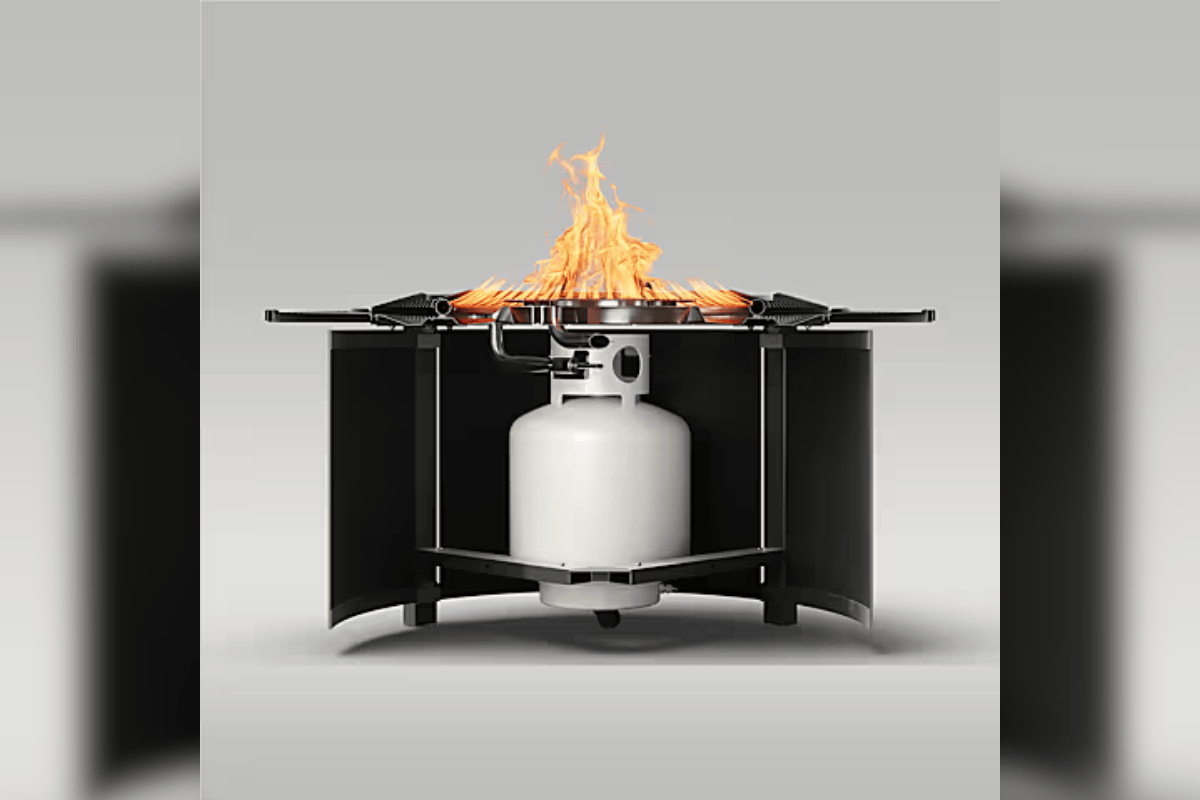
If you’ve been Googling best propane fire pit for dads, backyard fire pit upgrade, or smokeless fire pit with tabletop, congratulations, you’ve just found your winner. The Solo Stove Infinity Flame Propane Fire Pit is the latest drop from the company that turned smokeless fires into a suburban status symbol. And this one? It’s built for dads who want real fire vibes without the wood, the smoke, or the constant babysitting.
What Makes the Infinity Flame a Dad-Approved Upgrade
Solo Stove finally merged everything dads love: clean flames, low maintenance, and gear that doesn’t look like it came from the discount aisle. The Infinity Flame gives you:
-
Propane convenience (instant fire, zero hassle)
-
Wood-fire feel without smelling like last night’s brisket
-
Integrated tabletop for drinks, s’mores, and kid chaos management
-
A seating radius for 5–8 people — aka your family, two neighbors, and that one buddy who always “drops by”
It’s equal parts lifestyle flex and dad sanctuary.
Why This Fire Pit Matters for Dads
Backyards are the new living rooms. The new man caves. The new everything. And upgrading your outdoor setup isn’t just an aesthetic move, it’s how you create the nightly reset ritual every dad secretly needs.
A propane fire pit that still looks and feels like a real flame means more impromptu hangouts, more family time, and more nights where you actually unwind instead of doom-scrolling on your phone.
Plus, no smoke means the kids won’t complain, your clothes won’t smell, and your partner won’t ask why you “reek like a campsite.”
Who This Is For
-
Dads who love the fire but hate the fuss
-
Weekend hosts
-
Patio upgrade seekers
-
Gear guys who want the latest, cleanest setup
-
Anyone searching terms like best smokeless propane fire pit, modern fire pit for patios, or Solo Stove Infinity Flame review
The Dad Gear Takeaway
The Infinity Flame is more than a fire pit — it’s a backyard power move. A cleaner, easier, better-looking way to bring people together. If you’re building your dad arsenal…the tools, toys, and gear that turn a house into a kingdom, this one deserves a top spot. Get it here.
All flame. No hassle. Maximum dad energy.