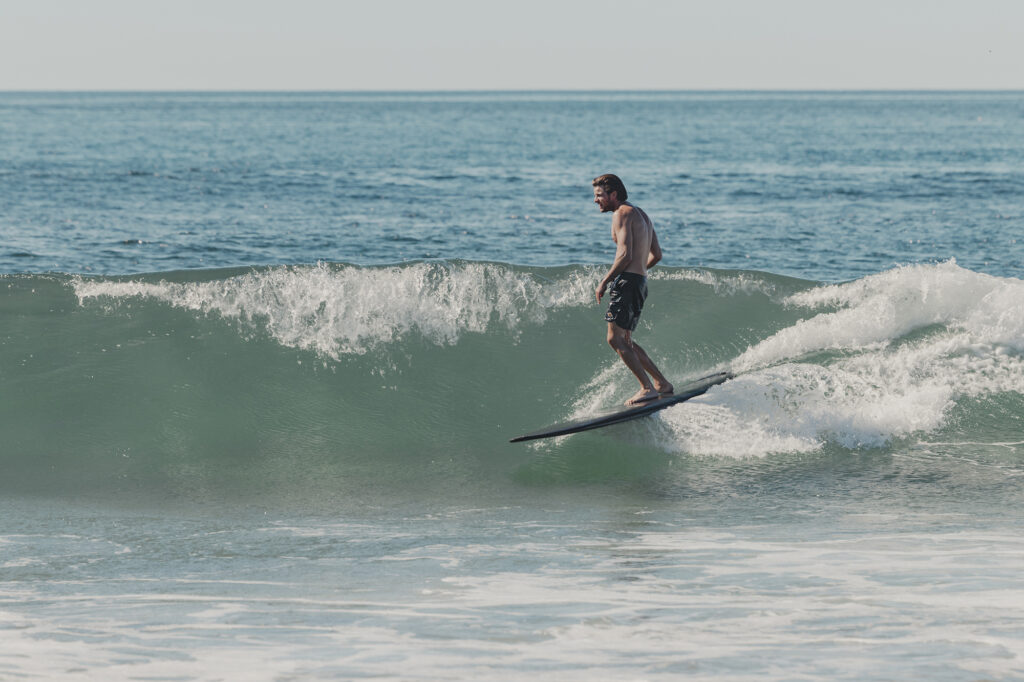
A really great surf session requires a whole slew of variables to cooperate.
Tide. Wind. Swell. Crowds. And maybe most importantly these days: your personal schedule.
There was a time when if the waves were good, you surfed. If the waves were bad, you probably surfed anyway. You had the time, the flexibility, and zero humans depending on you to be somewhere else.
That season looks different now.
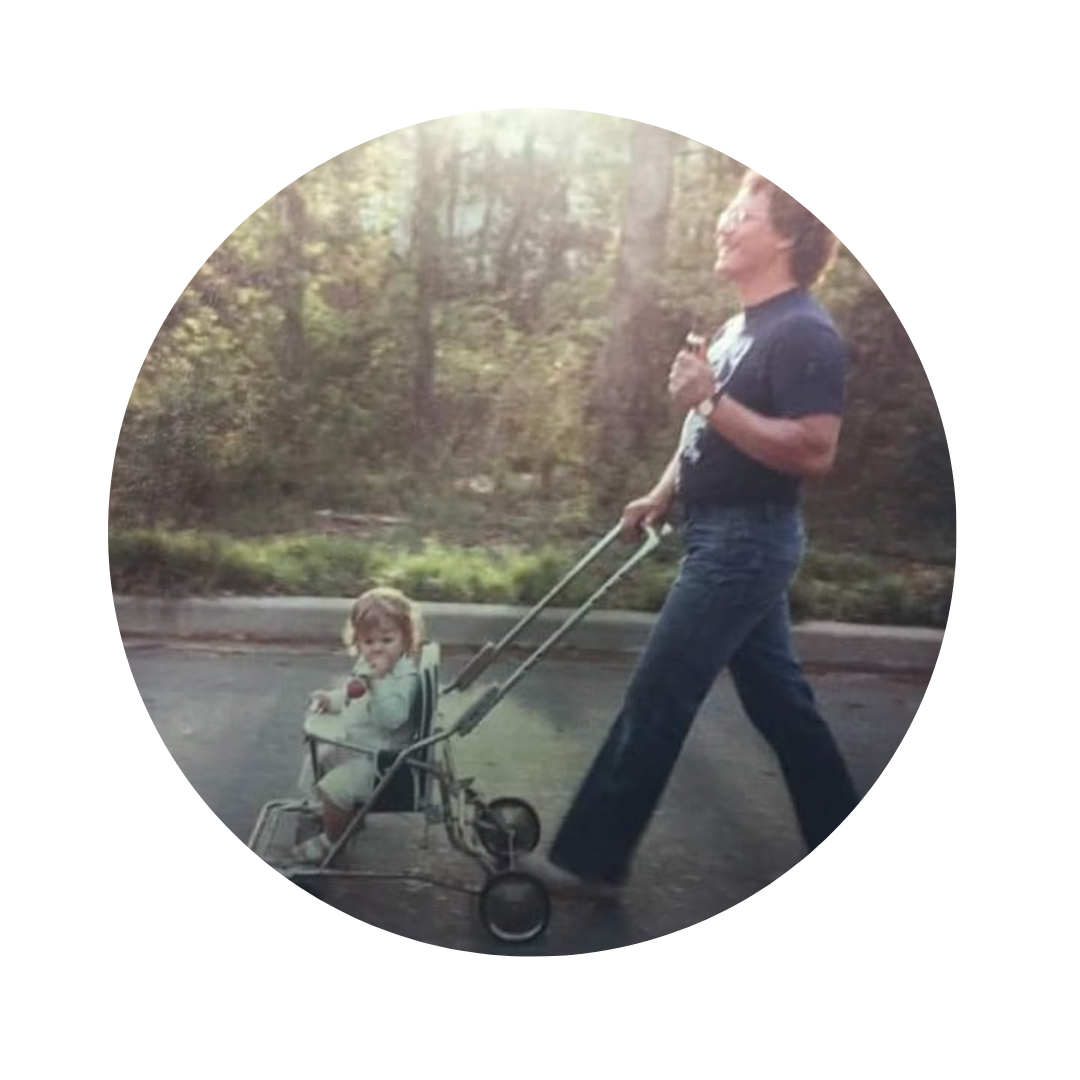
Now you’re pushing your kid into a mushy two-footer at 7am and calling it a win. You’re coaching from the shoreline in a hat you should have thrown away two years ago. You’re sneaking out for a quick session during nap time and back before anyone notices you’re gone.
The desire to surf hasn’t changed. The windows have.
And when the windows get smaller, every wave starts to matter a little more.
The Honest Conversation Every Surf Dad Eventually Has
At some point the trusty board that carried you through your twenties stops feeling like it fits your life.
You paddle out. You’re working harder than you used to. Waves you used to catch easily are slipping under you. You’re a little more tired than you’d like to admit. And somewhere in the back of your mind you know that a little more foam in the right places would fix most of this.
But it feels like giving something up. Like moving backward.
Here’s the reframe: it’s not about riding a bigger board. It’s about staying in the water. It’s about making the most of the 90 minutes you actually have. It’s about stacking the deck in your favor so that when you do get out there, you’re not spending the whole session fighting your equipment.
The goal is more waves. More time on your feet. More of whatever made you fall in love with surfing in the first place.
The good news is that surfboard design has never given surf dads more options than it does right now. The old choice between a performance shortboard or a 9’6″ log is long gone. There are a lot more stops along the way now.
Option 1: Stay Short, Add Foam
This is where most surf dads start. And for good reason.
You still want the feeling of a shorter board. You’re not ready to fully commit to something with a fin at each end and a concave deck. But you’re also honest enough to admit that catching more waves sounds better than the alternative.
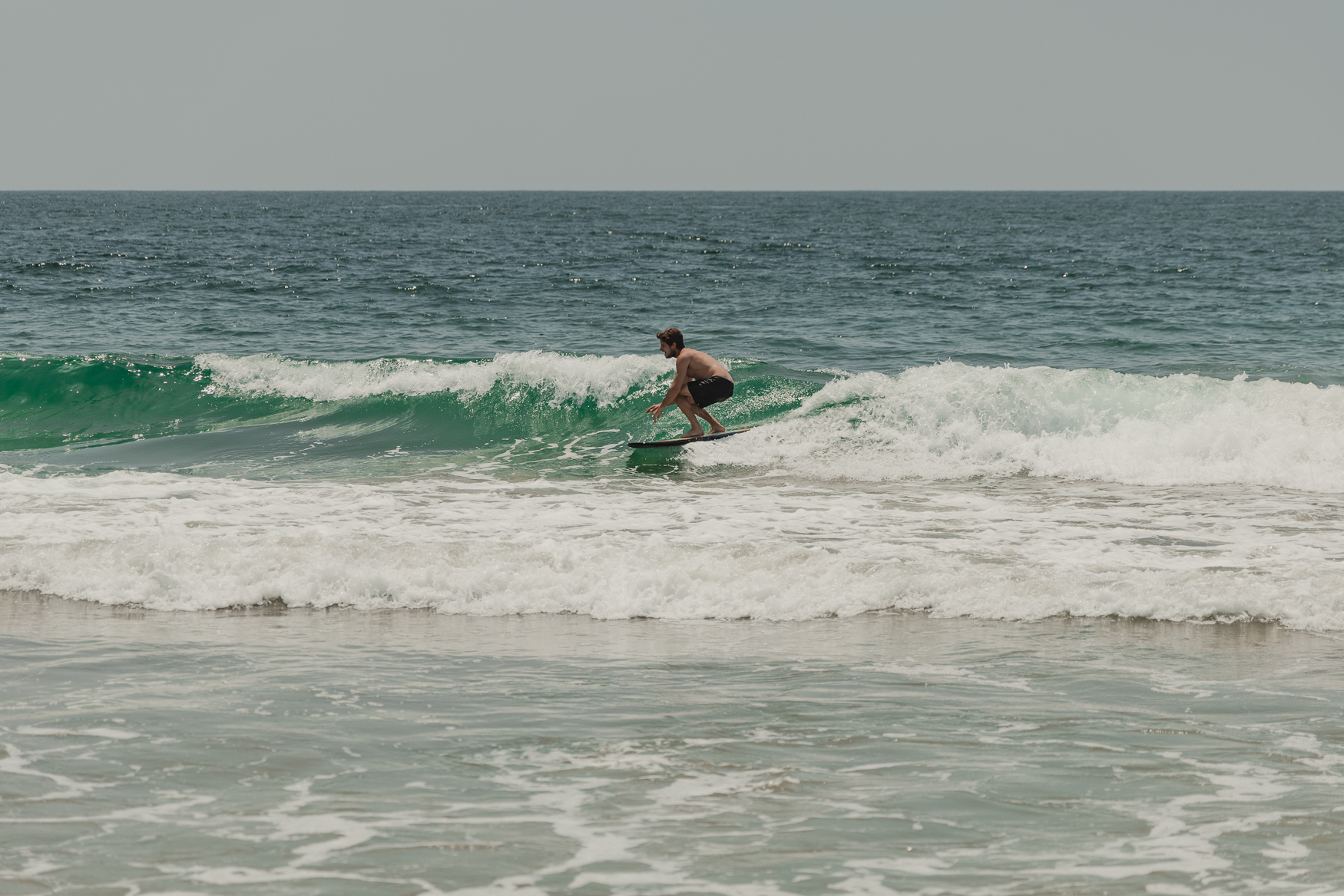
Modern surfboard design has gotten remarkably good at hiding volume. Wider tails, thicker rails, fuller outlines, alternative fin setups. There are now plenty of ways to gain serious paddle power without dramatically changing the way you surf or the way you look in the lineup, which matters more than we all admit.
This category alone can make surfing feel easier, more productive, and a lot more fun. Same surfer. Better tool. More waves.
Option 2: Embrace a Little Length
There’s a point where adding foam without adding length starts to become diminishing returns.
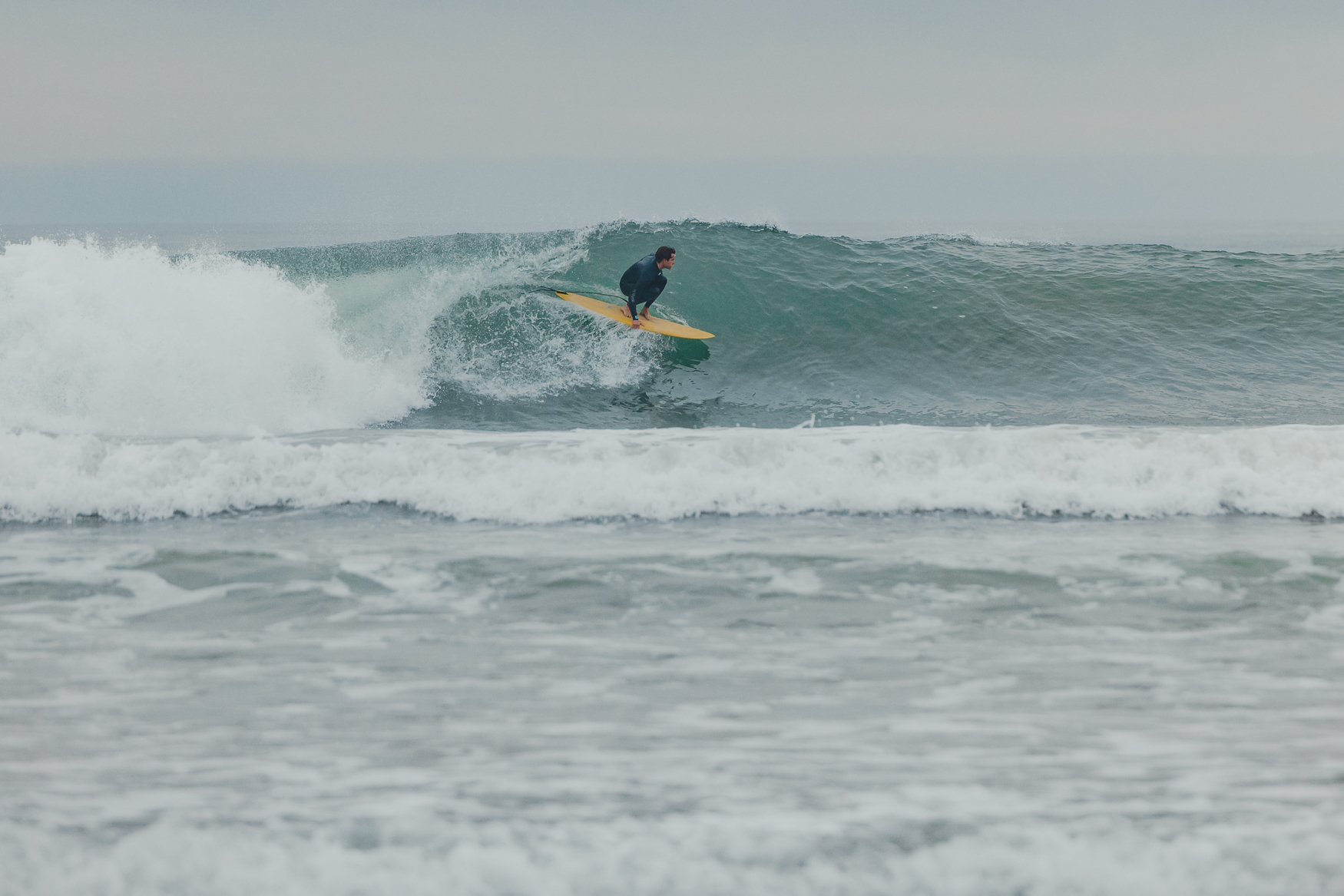
If the goal is maximizing wave count, a few extra inches of length can do what no amount of extra thickness can. You’re paddling into waves earlier, getting to your feet with less effort, and spending more time actually surfing instead of hunting.
This is where a lot of surf dads discover the sweet spot. Enough length to paddle earlier and get into waves with less work, but still short enough to stay maneuverable and fit in the pocket.
The number of surfers who reluctantly moved into this category and then wondered why they waited so long is not small. We’ve heard this story from a lot of dads. The resistance is real. So is the payoff on the other side of it.
Option 3: The Longboard (Stop Pretending It’s a Consolation Prize)
Longboards have survived every trend in surfing for one reason. They work.
If your goal is maximum time on your feet, maximum wave count, and maximum days per year that feel worth paddling out, a longboard is one of the best tools ever built. It is not a surrender. It is not an admission of defeat. It is not something you ride because you have no other choice.
It is a surfboard that has been making surfers happier for longer than most other designs in existence.
There is a reason so many lifelong surfers eventually end up with one in the garage. There is a reason the surf dads who make this move almost universally describe it the same way: they wish they’d done it sooner.
The Almond Boards Worth Looking At
Since we’re talking about right-sizing your equipment, here’s where we’d point most surf dads in the Almond lineup.
R-Series Joy 8’0 — The Dad Board

This is the one. If you’re a surf dad who wants to catch more waves, spend less energy paddling, and actually enjoy the sessions you’re carving out of your week, the R-Series Joy is the move.
Built on Almond’s best-selling Joy shape but constructed from closed-cell foam that does not absorb water, does not need wax, and shrugs off dings. Made in the USA. Over 800 reviews averaging 4.8 stars. It paddles earlier than anything else at this length, which means more waves per session, which means more fun in less time.
That last part matters when you’ve got 90 minutes and a hard out.
If you’re coming back to surfing after a gap, have kids who are just learning, or are honest about the fact that wave count matters more than performance right now, this is your board. Check it out here.
R-Series Pleasant Pheasant 6’4 — The Middle Ground
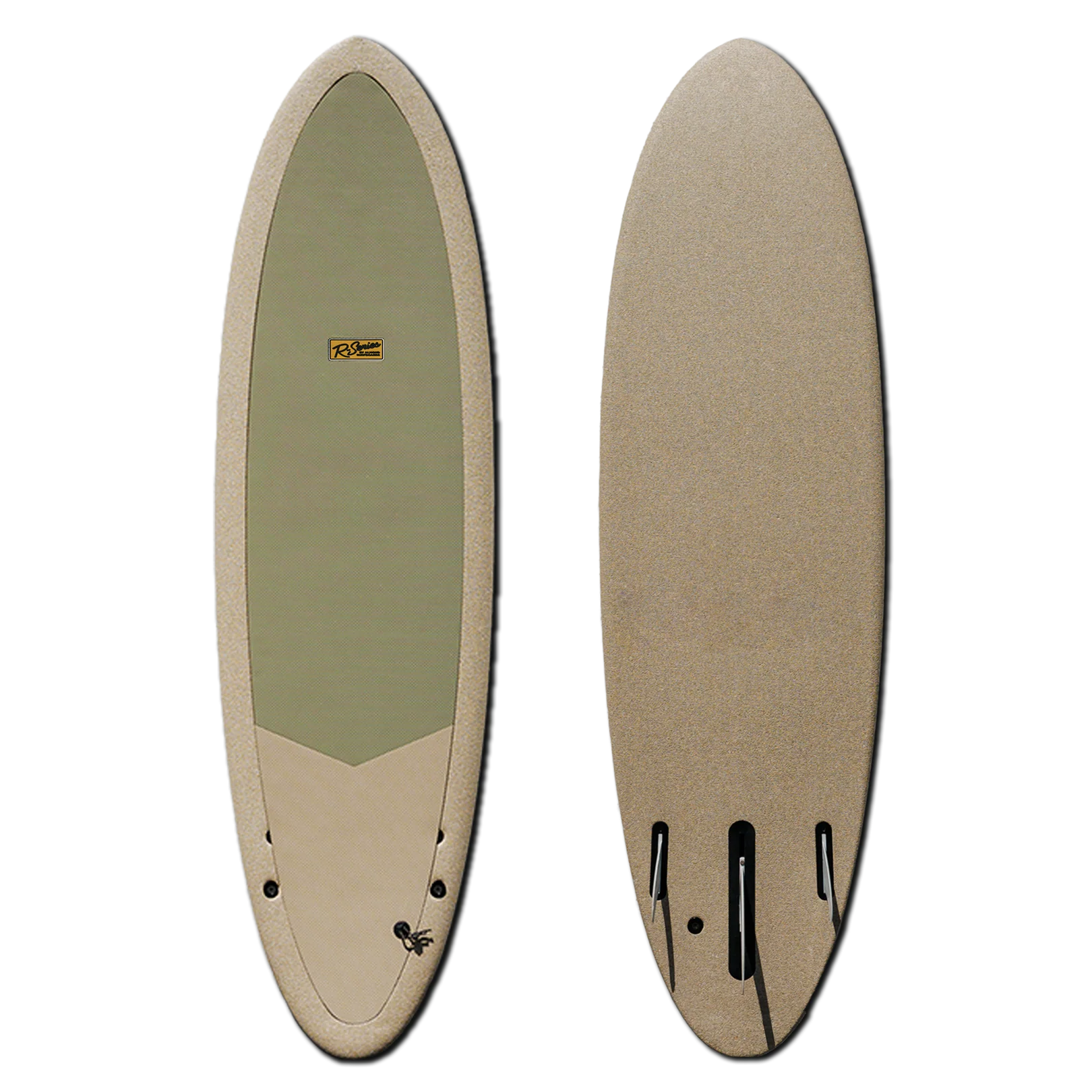
Not ready to go full longboard but want something with more glide and paddle power than a shortboard? The Pleasant Pheasant is the answer.
A mid-length board that gives you extra foam for effortless paddling without committing to something that takes up your whole garage. Versatile enough for beach breaks, forgiving enough to make smaller days worth paddling out for. Good for the surf dad who still wants to feel like he’s surfing, not just floating.
R-Series Surf Thump 9’2 — The Log That Does Not Feel Like One

For the surf dad who is done pretending the extra foam does not help and is ready to maximize every session, the Surf Thump is the move.
Noseriding stability, effortless paddling, and lively enough to not feel like you’re steering a cruise ship. The board that makes two-foot days feel fun and crowded lineups feel manageable. The board that keeps you surfing more days per year, which is the whole game.
The Real Point
You don’t need to ride a bigger board. You need to keep surfing. You need to make the most of the windows you have. You need to stop fighting your equipment and start using it.
The sessions are fewer now. The responsibilities are real. The margins are tighter.
So when you do get out there, stack the deck. Catch more waves. Stay on your feet longer. Paddle back out with something left in the tank.
The kids are watching from the beach. Make it look fun.
Hat tip to our friends at Almond Surfboards for the original framework on this one. Good people making good boards.
Join the Family