Think about the skills you picked up as a kid that still show up in your life today.
Not the ones that aged out. The ones that traveled with you. The sport you can still do. The instrument you can still play. The activity that keeps opening doors in rooms you didn’t expect.
Now think about the skills you wish someone had put in front of you earlier.
That gap, between what we got and what we wish we’d had, is exactly what we’re thinking about as dads.
Because we have a window right now to give our kids something that compounds. Not just a hobby. A set of skills that travel through life, open social doors, create networking opportunities, and stay relevant at 15, at 35, and at 60.
There’s a Category of Skill Most People Don’t Talk About
Not all activities are created equal.
Some sports peak in your twenties and quietly age out. You stop playing competitive basketball. The pickup flag football games thin out. The intramural stuff disappears with college. And that’s fine, those sports gave you something real. But they tend not to compound.
Then there’s another category. Activities you can pick up at five and still be doing at seventy-five. Activities that travel well, that cross social contexts, that show up at business events and charity weekends and family vacations and retirement parties. Activities that quietly build a life around them.
These are what we’d call lifetime activities. And the earlier your kid learns them, the more runway they have to let them work.
Golf
This one leads the list because no other activity comes close for professional networking.
A four-hour round of golf is one of the longest uninterrupted social encounters modern business produces. There’s no agenda to rush through. No meeting to end. No phone to stare at during a pause. Just you, three other people, and eighteen holes of shared experience. Conversations happen naturally. Trust builds. Deals get done.
We didn’t learn until 22 and still feel the gap. The guys who grew up playing have a fluency with the game that changes how they carry themselves on the course. They’re not thinking about their swing when someone brings up a business idea. They’re just playing golf and having a conversation. That ease is worth something.
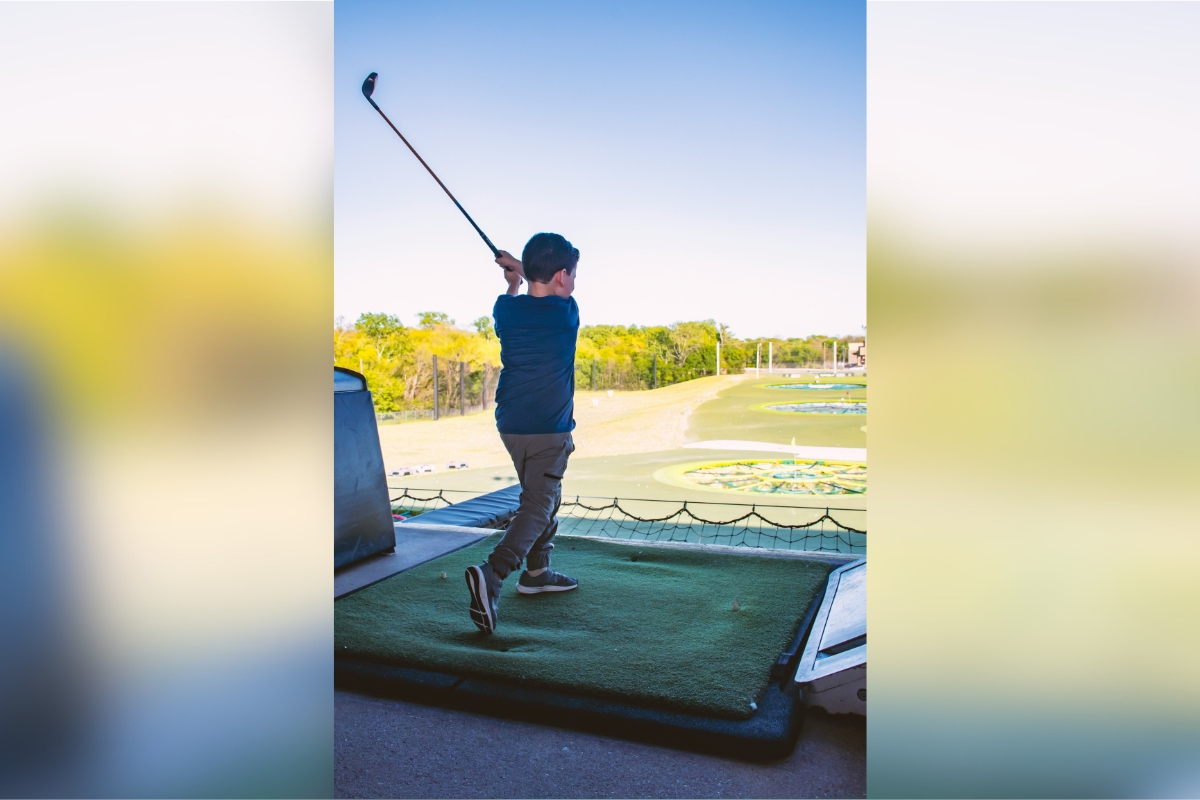
For kids, golf builds things that transfer directly into life: patience, honesty, personal accountability, comfort in unfamiliar social settings, and an understanding of etiquette that actually matters in the real world. The rules of golf are essentially the rules of professional behavior dressed up in cleats.
The investment to get a kid into golf is real. Lessons, equipment, range time. But the return compounds for decades.
A 10-year-old who plays golf becomes a 30-year-old who can say yes when a client asks if they play. That yes opens a door. The no closes it.
Start them young. Even basic competency at the game is more valuable than most parents realize.
Skiing and Snowboarding
These are the activities that unlock an entirely different social world.
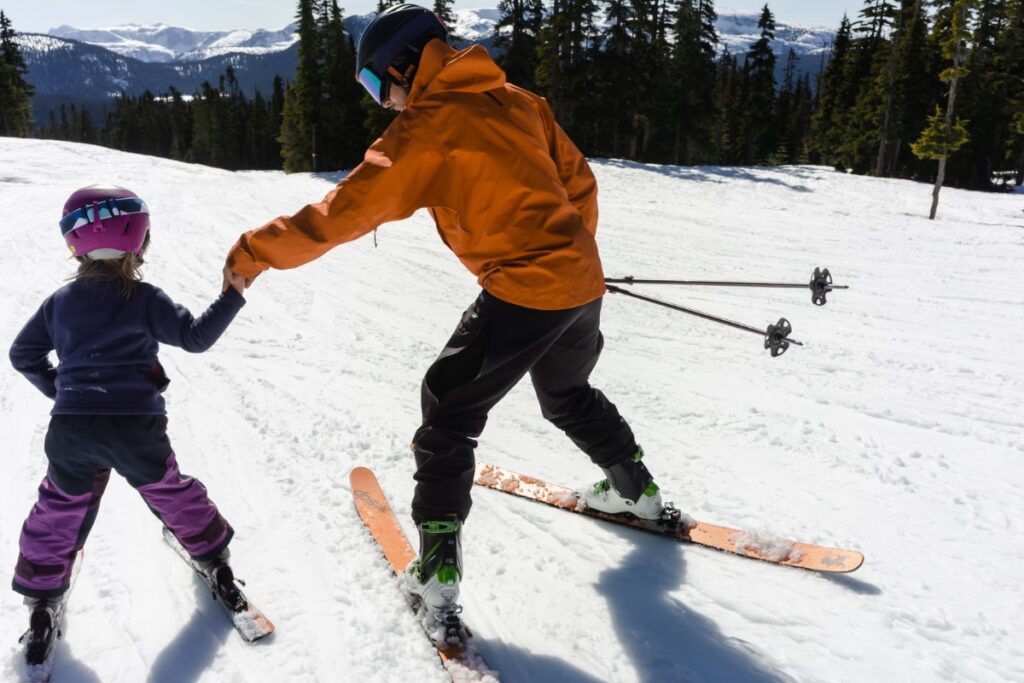
Ski trips are one of the primary ways that a certain tier of professional and social relationships get formed and maintained. Companies take teams on ski trips. Friend groups organize mountain weekends. Families who ski together build something around it. If your kid can ride confidently, they can participate fully in all of it. If they can’t, they’re on the bunny hill while everyone else is on the mountain together.
Learning to ski or snowboard young is dramatically easier than learning as an adult. The fearlessness of childhood, the low center of gravity, the willingness to fall without catastrophizing, all of it makes early learners pick it up in a fraction of the time. An adult learning to ski is a week of frustration and sore everything. A six-year-old learning to ski is three days and they’re linking turns.
There’s also just the life quality dimension. If your kid grows up comfortable on a mountain, they have access to one of the genuinely great experiences available in this world. Powder days, backcountry trips, ski towns with their own culture and community. That’s not nothing.
We’re glad we learned young. It’s one of the things we’d put near the top of the list for our own kids.
Tennis
Tennis deserves more attention than it gets in this conversation.
It’s one of the few sports you can play meaningfully at 8 and 80. It’s social in a direct, one-on-one way that golf isn’t. You can play it in almost any city in the world with almost no equipment. And it shows up in the same professional and social contexts as golf with surprising frequency.
Tennis clubs, like golf clubs, are networking environments. Charity tournaments exist. Company events get organized around it. And unlike golf, you can get a solid tennis workout in 90 minutes, which makes it more compatible with a busy adult schedule.
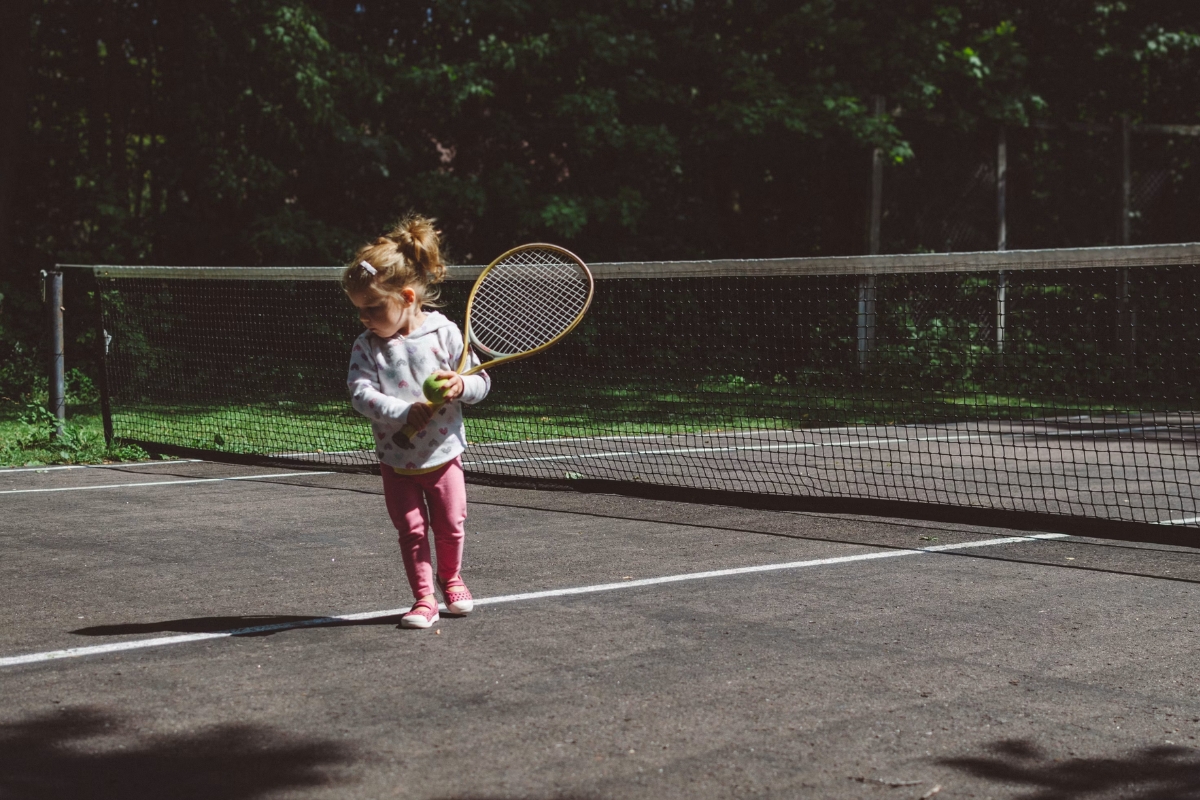
For kids, tennis builds hand-eye coordination, lateral movement, spatial awareness, and the ability to handle one-on-one competition with composure. Those transfer broadly.
Running
Running might be the most underrated activity on this list from a social standpoint.
The fitness benefits are obvious. The social ones are not, and they’re significant.
Run clubs have exploded in the last decade. In cities across the country, groups of people are meeting at 5:30am on a Tuesday and logging miles together before the rest of the world wakes up. Something specific happens when you do something hard alongside someone at an hour when you both would rather be asleep. Conversations go somewhere real. Friendships form fast. People who run together tend to actually know each other.
Races add another layer. The half marathon circuit, local 5Ks, charity runs, Spartan races, all of it creates a community with its own language, its own events, its own recurring social calendar. Sign up for the same race as someone in your network and you have six months of shared training conversations before you even cross the start line.
Running also travels. Every city has routes. Every trip has a morning window. Some of the best conversations we’ve had happened on a run with someone we were trying to get to know. The side-by-side nature of it, no eye contact required, nothing to stare at, just moving forward together, creates an environment where people open up more than they would sitting across a table.
For kids, the entry point is simple. School track, cross country, weekend 5Ks with a parent.
Running requires zero equipment beyond shoes and builds the habit of physical discomfort as something manageable, which is one of the most useful things a kid can internalize.
A kid who runs becomes an adult who runs. And an adult who runs has an instant community wherever they go.
Swimming
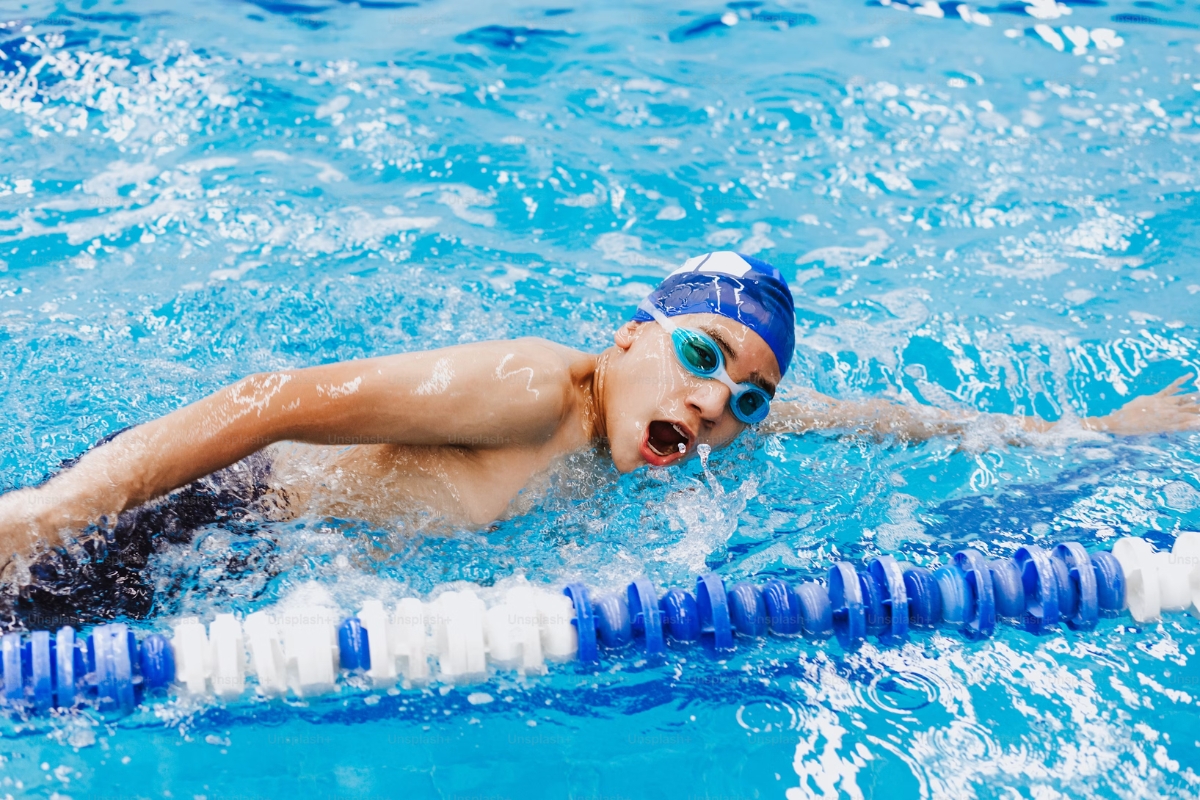
Swimming is technically a survival skill. But it’s also a lifetime activity in the truest sense.
The 70-year-old who still swims laps every morning didn’t start at 60. They built that habit young and it followed them. Swimming is low-impact, comprehensive, and available everywhere. It scales from recreational to competitive to purely functional across an entire life.
For younger kids, learning to swim confidently also unlocks a whole category of summer experiences, boats, lakes, beaches, pool parties, that are otherwise limited or anxiety-inducing. The social dividend of being a competent swimmer starts in childhood and continues indefinitely.
A Musical Instrument
This one doesn’t open the same professional doors as golf, but it opens something else.
Music gives people a relationship with creativity and discipline that’s genuinely hard to replicate any other way. A kid who learns an instrument and sticks with it learns to practice something imperfectly for a long time before it gets good. That lesson is one of the most useful things a person can internalize.
There’s also the social dimension.
Play an instrument well enough and you become the person who can sit down at a piano at a party and make the room stop.
You can play in a band with friends, compose things, teach your own kids someday. It’s a skill that deepens with age in a way that most physical activities can’t.
The guitar specifically earns a mention. It’s portable, it’s social, it plays well around campfires and beach trips and all the places that matter. Learning basic chords at eight means being the person who can actually play something meaningful at forty.
Martial Arts
Less obvious but worth including.
Martial arts teaches discipline, physical confidence, and the ability to be uncomfortable without panicking. Those qualities show up everywhere in life. A kid who spends years in a martial art understands what consistent practice produces. They understand hierarchy and respect in a way that’s genuinely useful. They’re also, practically speaking, more confident in their body and their ability to handle physical situations.
Many adults who trained as kids return to it in their thirties and forties as a fitness practice and community. The skill doesn’t expire.
Surfing and Water Sports
This one is regional but worth mentioning for the families near water.
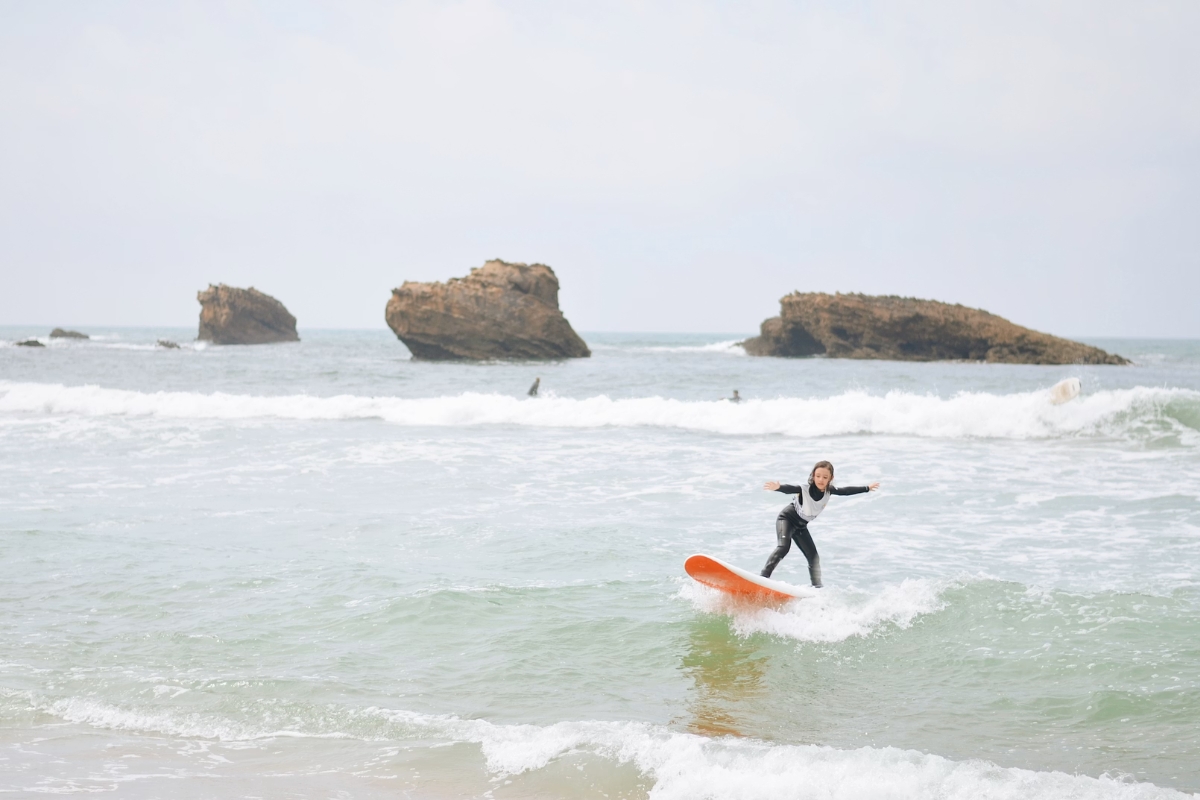
Surfing in particular has its own culture and community that runs deep. People who surf share something specific. It shows up in how they travel, where they vacation, who they spend time with. Learning young means having a relationship with the ocean that lasts a lifetime.
Same goes for sailing, paddleboarding, kitesurfing. Any water skill learned young becomes a passport to experiences and communities that are genuinely difficult to access later.
We’ll Leave You With This…
Every activity on this list shares a few things.
They can be done across a full lifetime without significant physical limitation. They exist in social contexts that matter beyond just recreation. They teach transferable qualities including patience, discipline, comfort with discomfort, and how to be gracious in competition. And they compound. The earlier you start, the more you get.
Here’s the dad angle that matters most.
We can’t give our kids everything. But we can give them a set of skills that travel well through life. A kid who plays golf, skis, runs, swims, and plays an instrument has access to social worlds, professional environments, and personal experiences that a kid without those skills simply doesn’t.
That’s not about pressure or achievement. It’s about equipping them with tools that work at 15, at 30, at 60.
Think about the things you wish you’d learned earlier. Then give your kid the head start you didn’t have.
Join the Family